Understanding MII (Make in India) Conditions in Government Tenders
India’s procurement ecosystem is increasingly focused on promoting domestic manufacturing and local suppliers through the Make in India initiative. Today, businesses participating in india government tender opportunities must carefully understand MII (Make in India) conditions before completing tender submission. Whether companies are participating in public sector bids, government solar tenders, or technology procurement projects, compliance with MII policies has become a critical part of the procurement process.
The growth of the electronic government procurement system and modern electronic tendering system platforms has made procurement more transparent and competitive. However, businesses participating in procurement bids must now also comply with localization and domestic content requirements defined under Make in India policies.
Companies involved in eprocurement india and the larger tender india ecosystem are increasingly using digital procurement tools to manage bid documents, automate workflows, and improve compliance during tender submission.
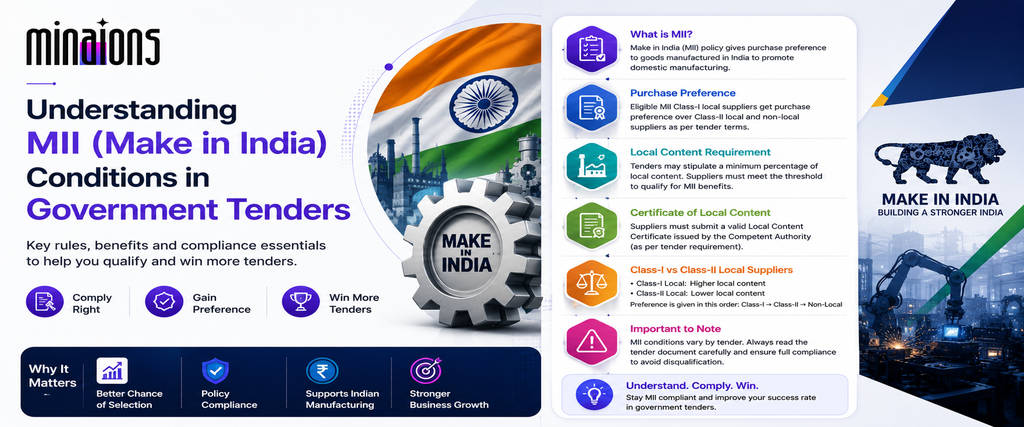
What is MII in India Government Tender Opportunities?
MII or Make in India conditions are procurement policies introduced to encourage local manufacturing and support Indian suppliers participating in india government tender opportunities.
Under MII guidelines, businesses participating in public sector bids and other procurement bids may need to declare local content percentages during tender submission.
The objective of MII policies is to strengthen domestic manufacturing through the growing ecosystem of eprocurement india and the broader electronic government procurement system.
Today, many departments issuing government solar tenders, infrastructure projects, and technology procurement opportunities require bidders to comply with MII conditions before accepting bid documents.
Importance of Tender Submission in MII Compliance
A compliant tender submission is one of the most critical aspects of participating in india government tender opportunities.
Businesses participating in public sector bids must ensure that their tender submission includes all declarations, certifications, and local content details required under MII policies.
An incomplete tender submission may result in immediate disqualification during evaluations conducted through the electronic government procurement system.
Companies participating in government solar tenders especially need to ensure accurate MII declarations during tender submission because renewable energy procurement often includes strict domestic sourcing conditions.
Every successful tender submission should include properly organized bid documents, compliance certificates, and technical declarations.
Role of Electronic Government Procurement System
The modern electronic government procurement system has transformed procurement operations across India.
Today, the electronic government procurement system allows businesses to:
Complete digital tender submission
Upload bid documents
Participate in procurement bids
Track corrigendums
Manage compliance
Access public sector bids
The adoption of the electronic government procurement system has significantly increased transparency in eprocurement india.
Businesses participating in government solar tenders and other india government tender opportunities must become familiar with the workflows of the electronic government procurement system to improve bid accuracy.
Understanding Electronic Tendering System Workflows
The rise of the electronic tendering system has made procurement more efficient and accessible.
A modern electronic tendering system allows suppliers to participate digitally in public sector bids, upload bid documents, and manage the complete tender submission process online.
The electronic tendering system is now widely used across ministries, PSUs, railways, defense departments, and renewable energy procurement projects.
Businesses participating in government solar tenders and large-scale procurement bids must ensure that their internal workflows align with the requirements of the electronic tendering system.
The efficiency of the electronic tendering system has increased competition across the tender india ecosystem, making compliance management more important than ever.
Why Bid Documents Are Critical in Procurement Bids
The quality and accuracy of bid documents play a major role in procurement success.
Businesses participating in procurement bids must carefully organize all bid documents before final tender submission.
Typical bid documents include:
Technical proposals
Financial statements
Local content declarations
GST certificates
Experience certificates
Compliance undertakings
Incorrect or incomplete bid documents may result in rejection during evaluation through the electronic government procurement system.
Companies participating in government solar tenders should especially focus on technical accuracy within bid documents because renewable energy projects often involve strict evaluation standards.
Public Sector Bids and Make in India Policies
The impact of MII policies is especially visible in public sector bids.
Today, many public sector bids prioritize local manufacturers and suppliers participating in the tender india ecosystem.
Businesses participating in public sector bids should carefully review domestic content requirements before preparing bid documents and completing tender submission.
MII policies are increasingly influencing:
Infrastructure projects
Technology procurement
Manufacturing contracts
Renewable energy procurement
Government solar tenders
Companies involved in public sector bids must ensure that their sourcing and supply chain models comply with MII requirements.
Growth of Eprocurement India
The rise of eprocurement india has significantly expanded procurement accessibility across sectors.
Today, businesses can participate in india government tender opportunities digitally through the growing electronic government procurement system ecosystem.
The expansion of eprocurement india has improved procurement transparency while increasing competition within procurement bids and public sector bids.
Businesses participating in eprocurement india should focus on:
Accurate tender submission
Organized bid documents
MII compliance
Timely participation in government solar tenders
Workflow efficiency in the electronic tendering system
The growth of eprocurement india is also encouraging MSMEs and startups to participate more actively in tender india opportunities.
Government Solar Tenders and Domestic Manufacturing
MII policies are especially important in government solar tenders.
India’s renewable energy sector is growing rapidly, and many government solar tenders now prioritize local manufacturing of solar modules, inverters, and related equipment.
Businesses participating in government solar tenders must carefully review domestic content conditions mentioned within the bid documents.
The increasing number of government solar tenders is creating major opportunities for Indian manufacturers participating in eprocurement india.
However, suppliers participating in government solar tenders must ensure complete compliance during tender submission to avoid disqualification.
Government Marketing and Procurement Success
Effective government marketing is becoming increasingly important for businesses participating in public sector bids.
Companies involved in government marketing should focus on:
Building procurement credibility
Maintaining strong compliance standards
Improving visibility in tender india
Strengthening proposal quality
Enhancing technical documentation
A strong government marketing strategy helps businesses improve their participation in procurement bids and long-term procurement opportunities.
Businesses using structured government marketing approaches also gain better visibility within the electronic government procurement system ecosystem.
Tender India and Future Procurement Trends
The future of tender india will become increasingly technology-driven and compliance-focused.
Businesses participating in india government tender opportunities will rely more heavily on automation, analytics, and AI-driven procurement systems.
Future procurement systems may include:
AI-driven tender submission
Automated verification of bid documents
Smart workflows within the electronic tendering system
Predictive analytics for procurement bids
Enhanced integrations across eprocurement india
As the tender india ecosystem continues to evolve, businesses that adapt early to MII compliance requirements will gain a strong competitive advantage.
Final Thoughts
Understanding MII conditions is now essential for businesses participating in india government tender opportunities. Whether companies are competing in public sector bids, participating in government solar tenders, or managing large-scale procurement bids, compliance with Make in India policies plays a critical role in procurement success.
From accurate tender submission to proper management of bid documents, every stage of the procurement process matters. Businesses participating in the electronic government procurement system and modern electronic tendering system platforms must focus on compliance, workflow efficiency, and localization requirements.
Organizations actively participating in eprocurement india, strengthening their government marketing strategy, and improving procurement workflows will be better positioned to succeed in the growing world of tender india and public procurement opportunities.
Related Blogs
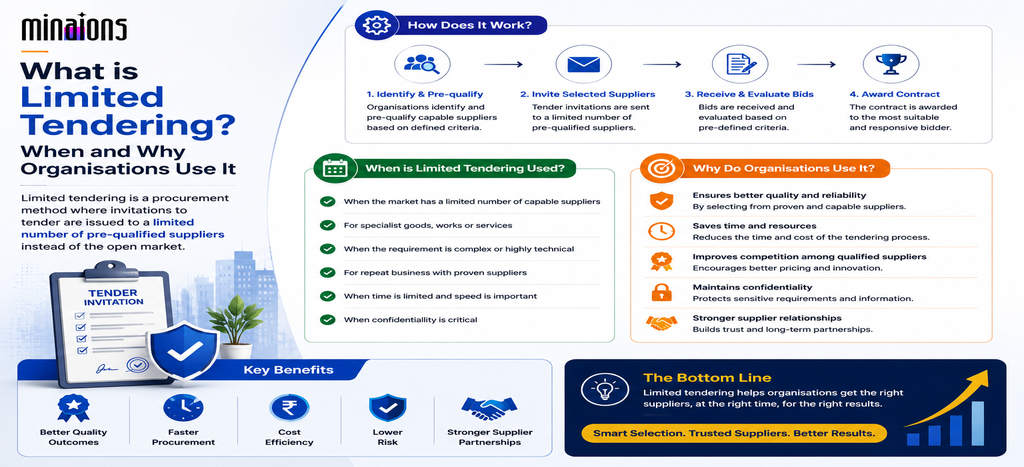
In an era where public sector budgets are stretched thin and procurement workloads are projected to rise by 10% in 2025, organisations must balance speed, compliance, and value.
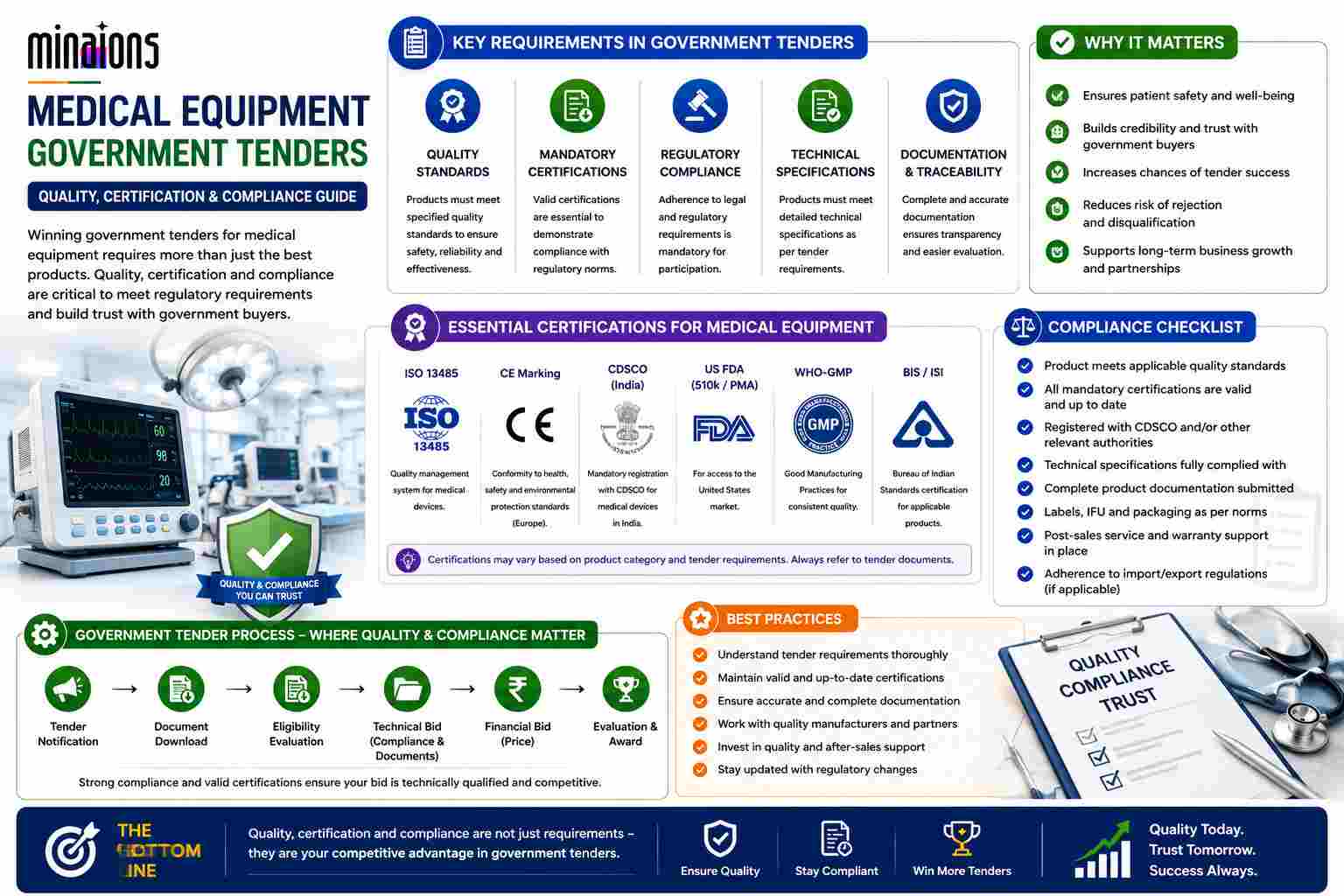
As healthcare systems worldwide confront supply chain fragility and rising patient safety expectations, public procurement teams now assess medical equipment beyond price and delivery timelines.
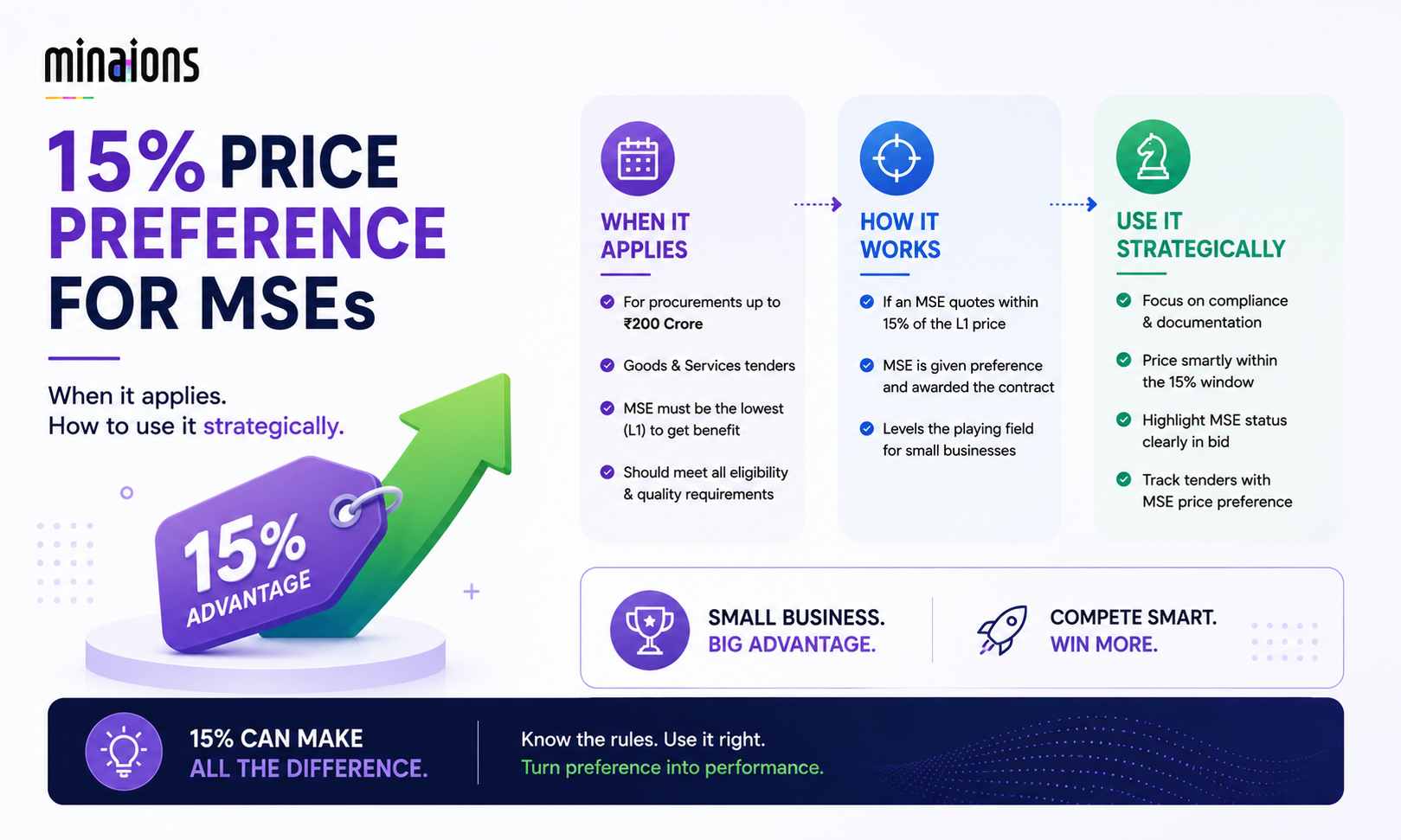
In an era where public procurement budgets are under intensified scrutiny, the 15% Price Preference for Micro and Small Enterprises (MSEs) has emerged as one of the most consequential levers for equitable market access.
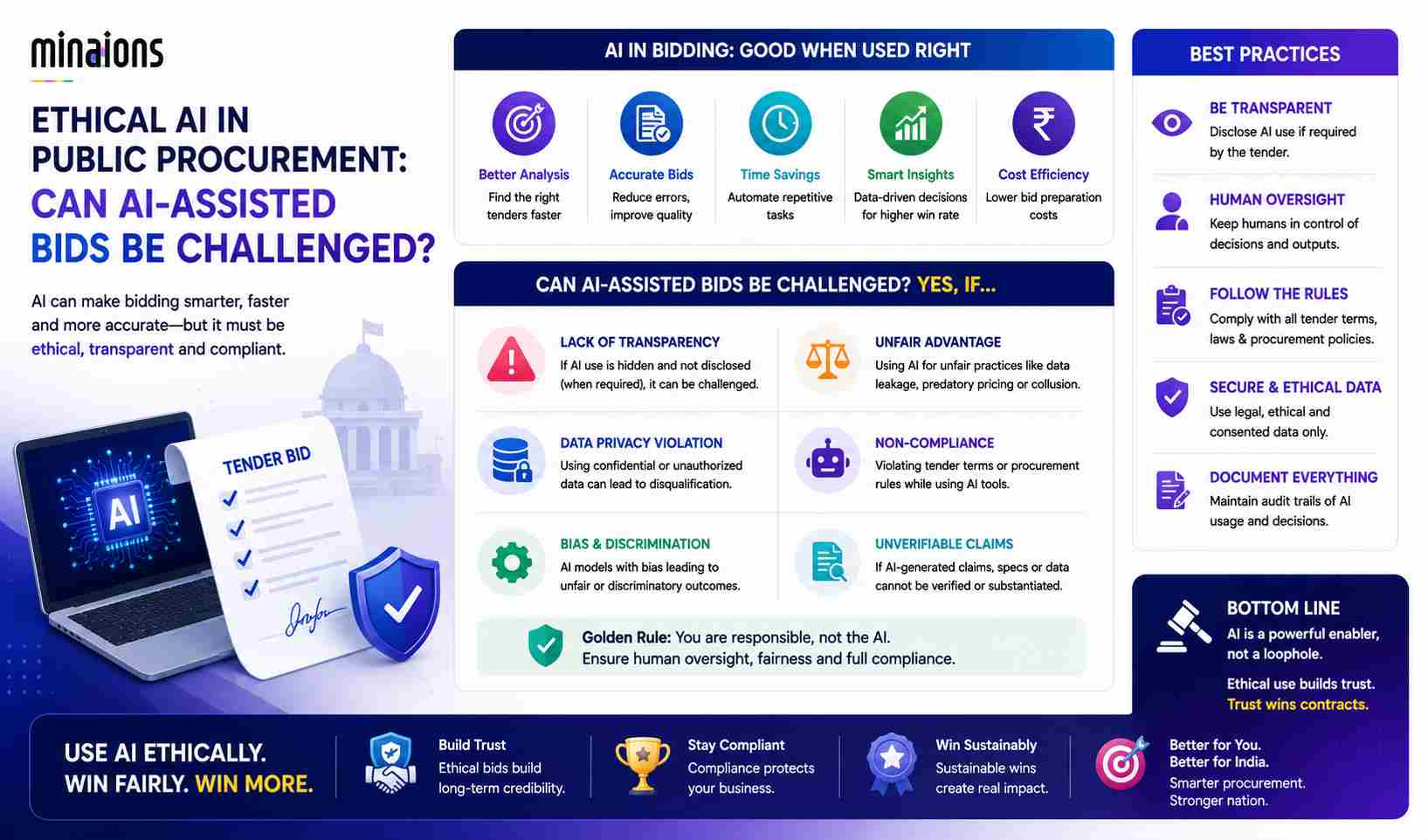
As public procurement systems increasingly rely on AI to evaluate bids, manage contracts, and detect anomalies, a quiet but profound crisis of trust is emerging.