
The stakes in Indian government tendering have never been higher. Public procurement spending exceeds ₹50 lakh crore annually, with digital platforms like GeM and CPPP now mandating electronic submissions.
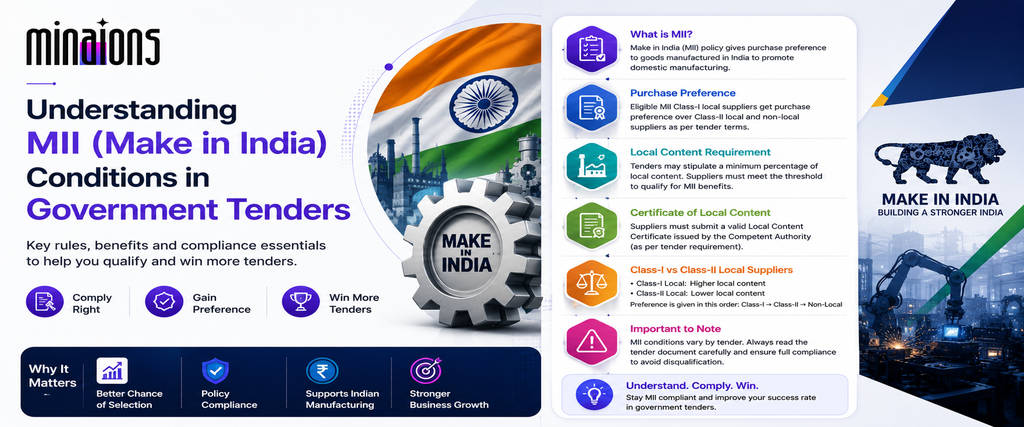
In the high-stakes arena of government tendering, a single misstep in declaring local content can mean the difference between winning a multi-million-pound contract and facing a two-year debarment.
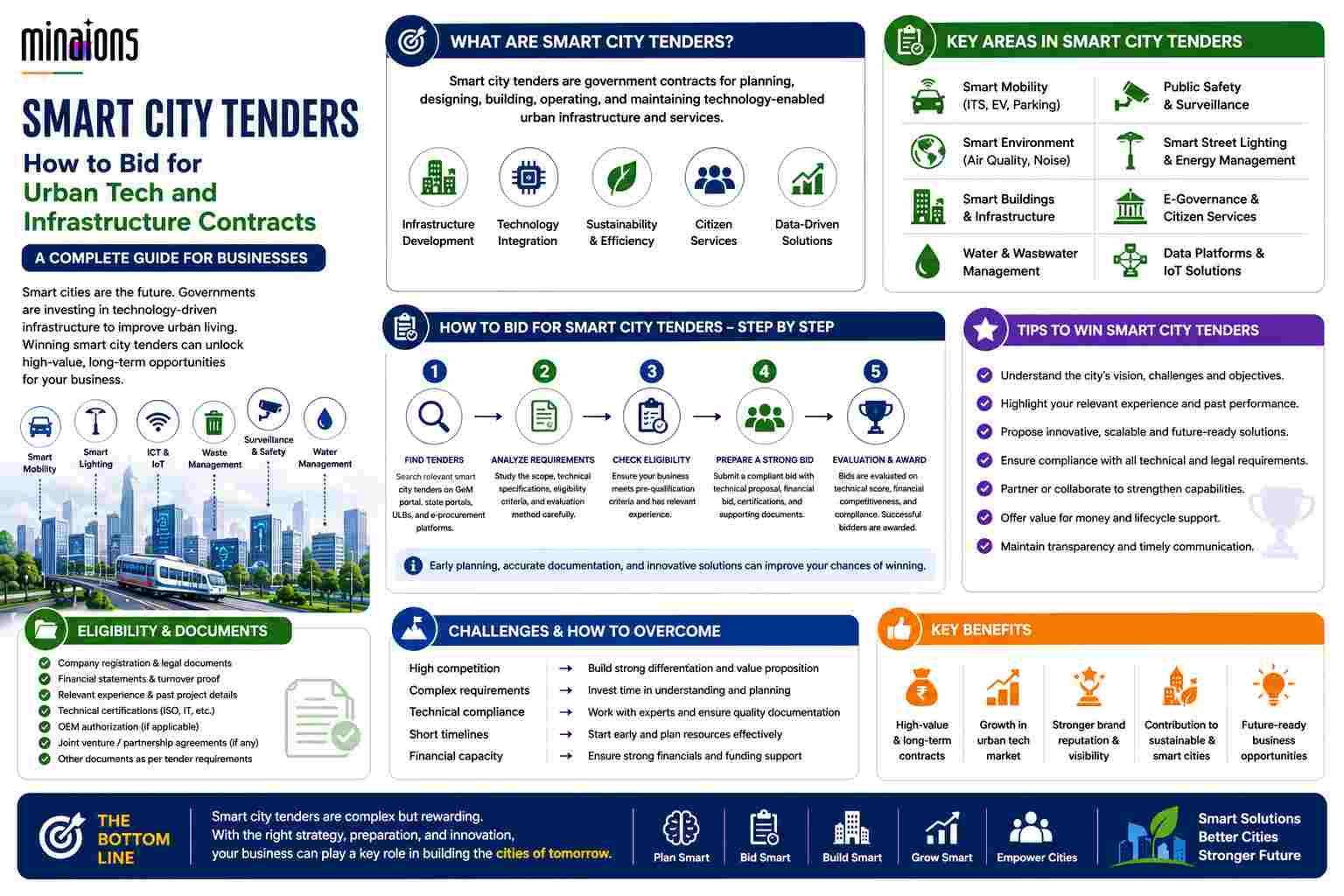
The landscape of public procurement is undergoing a significant transformation.
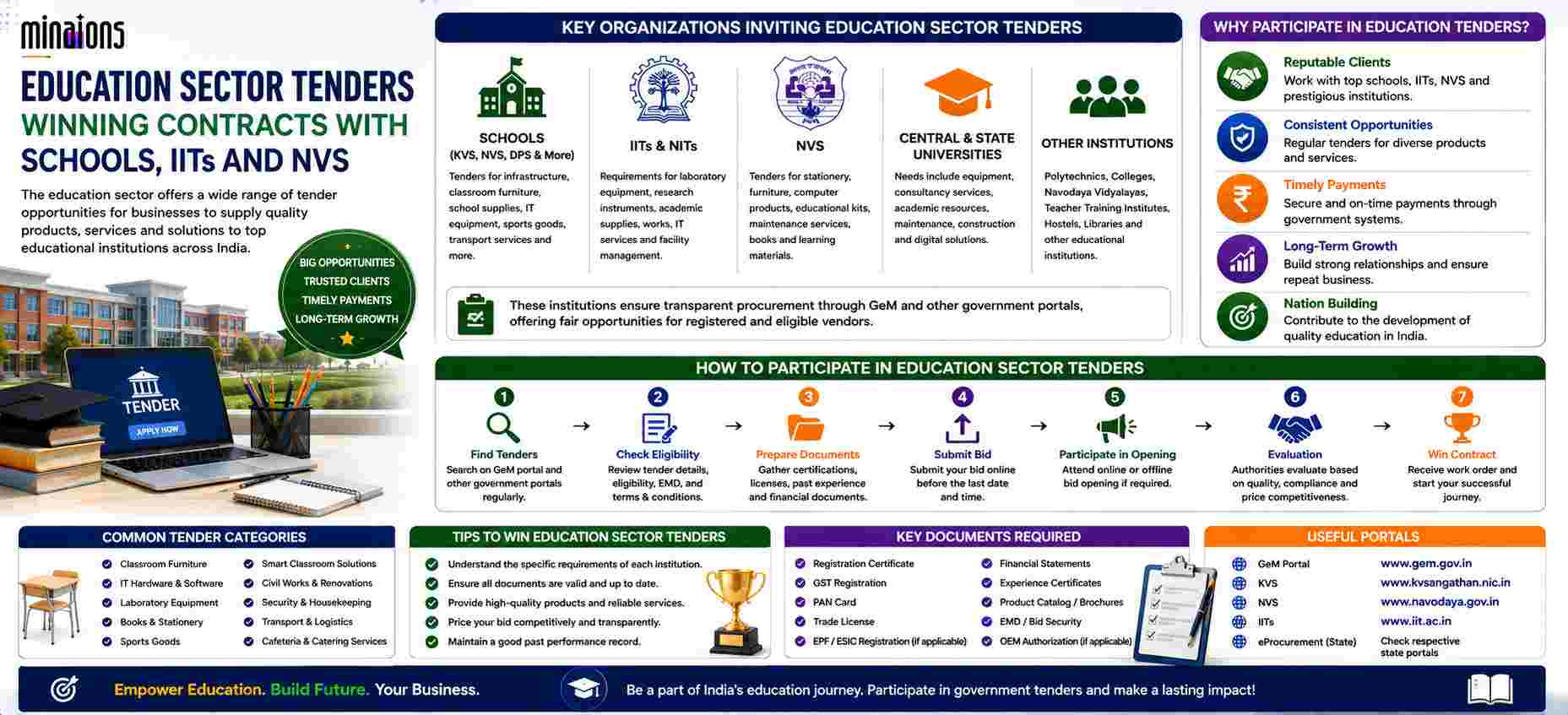
The public procurement landscape in India’s education sector is undergoing a silent revolution.
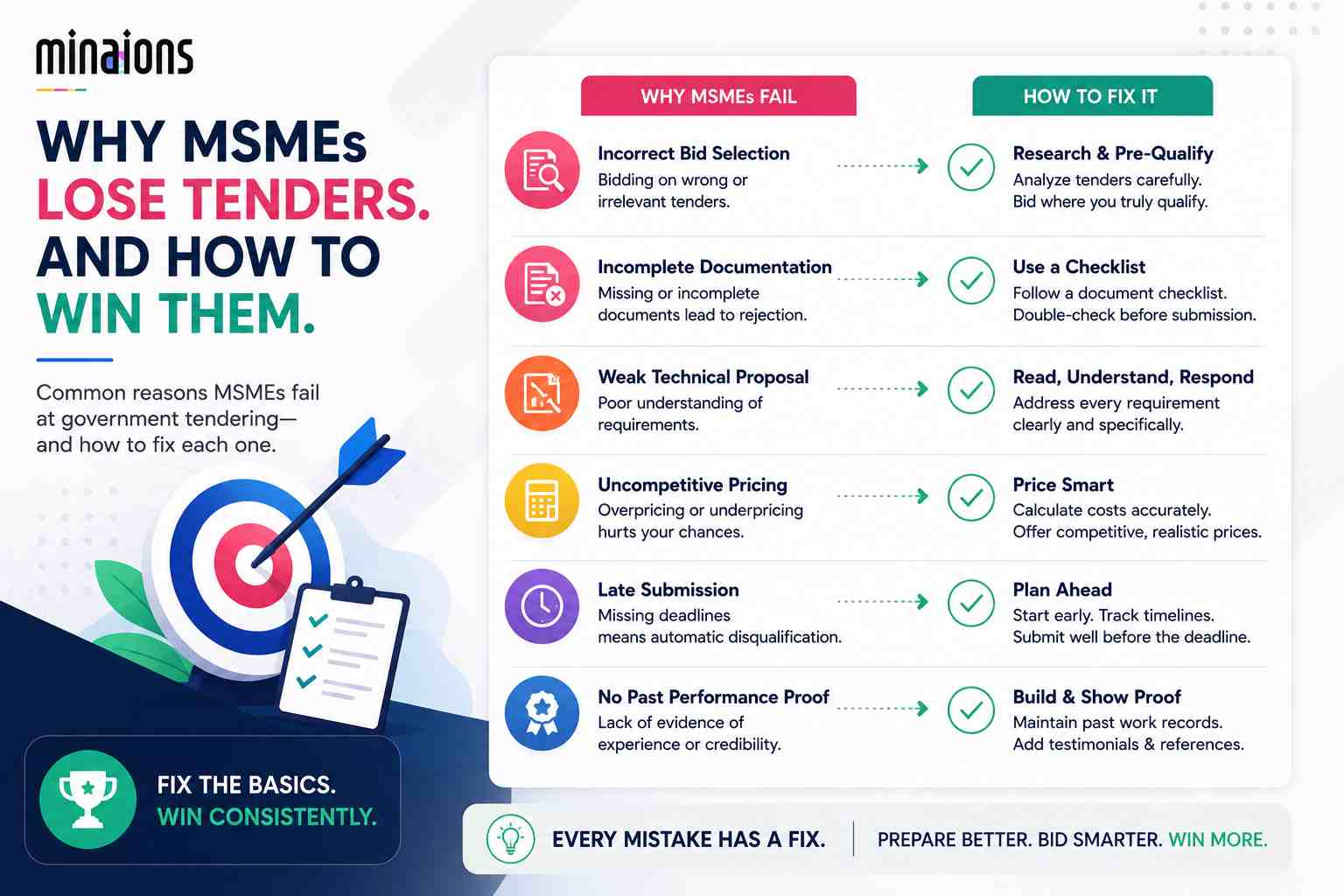
Public procurement has become a critical pathway for MSMEs to access stable, long-term revenue.
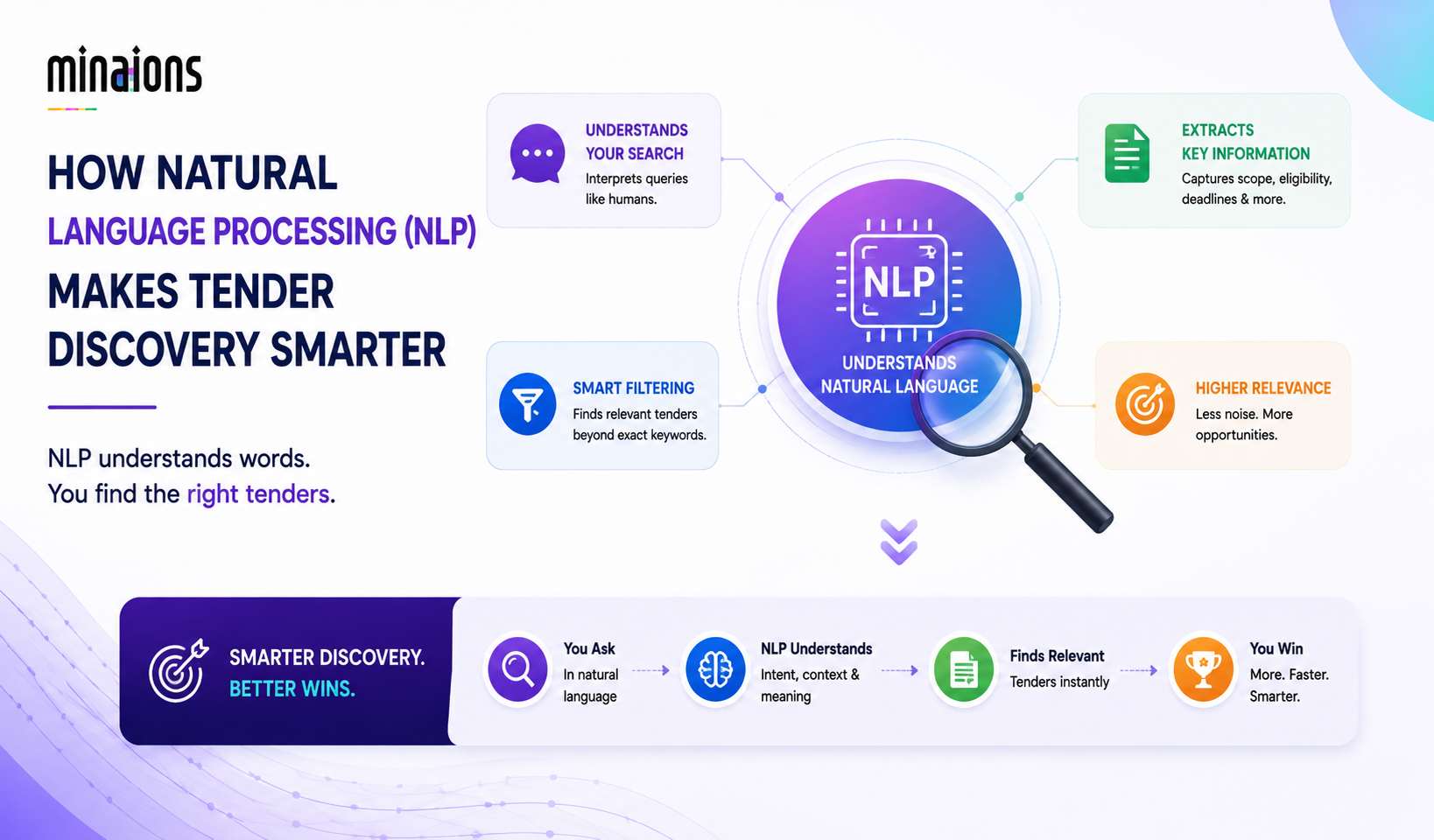
Across the public sector, billions in procurement value are lost each year due to inefficiencies in identifying relevant tenders at the right time.
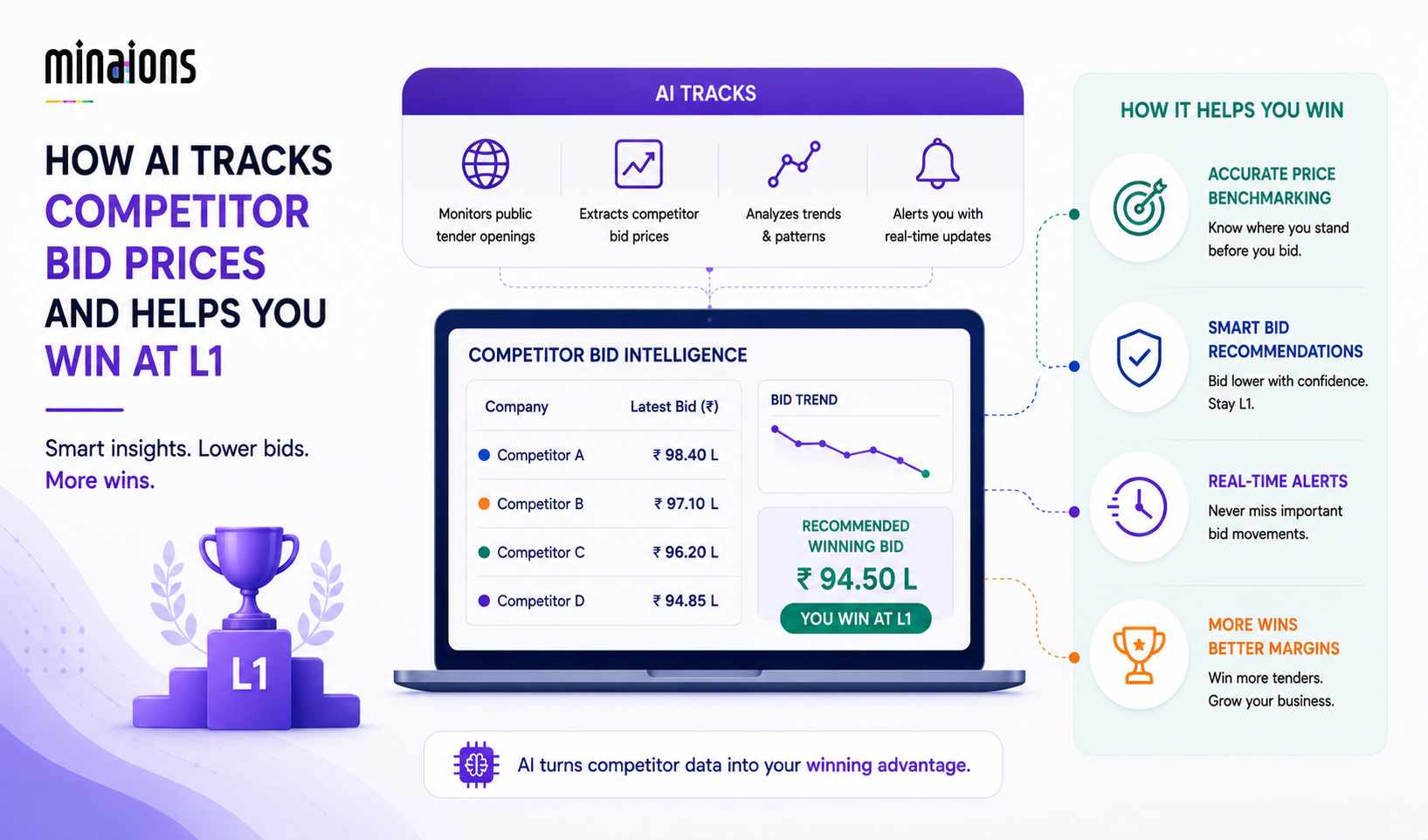
In public procurement, the difference between winning and losing a contract often hinges on a single decimal point.
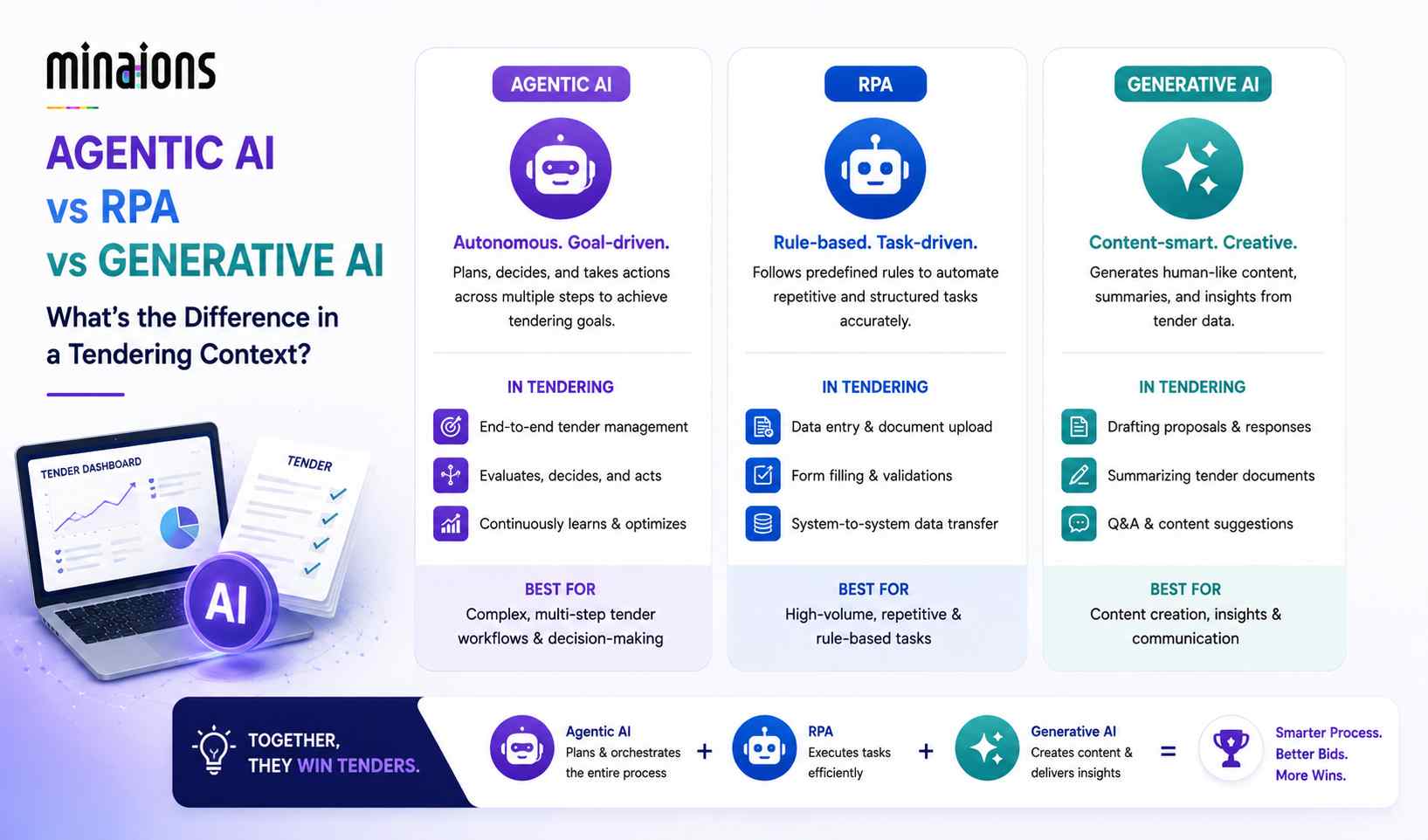
The public procurement landscape is undergoing a silent revolution.

In an era where public procurement is increasingly shaped by artificial intelligence, government tenders now contain clauses that can expose bidders to unprecedented legal, financial, and reputational risk.
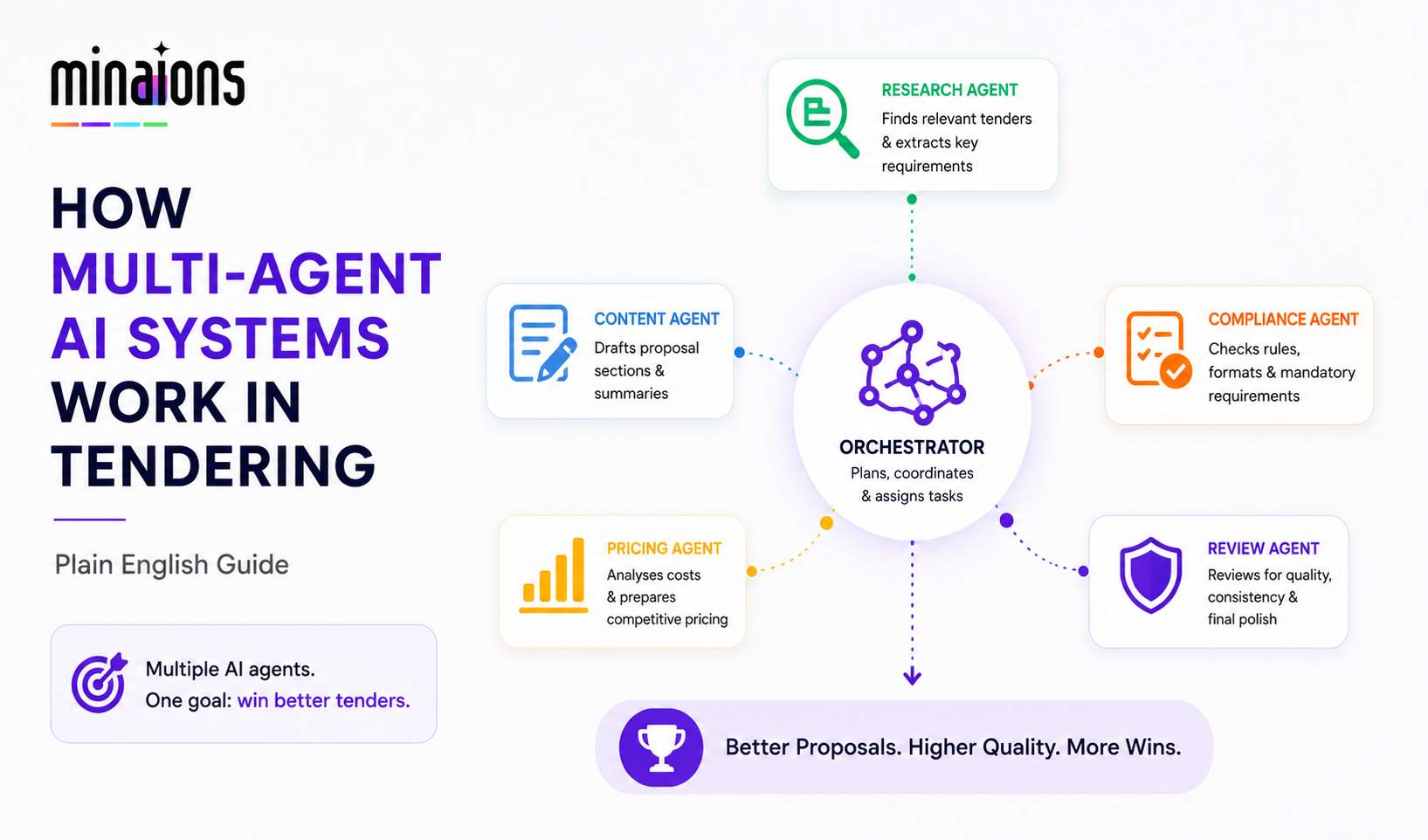
Public procurement is at a turning point. As government budgets face tighter scrutiny and regulatory frameworks grow more complex, the traditional manual approach to tendering is no longer sustainable.
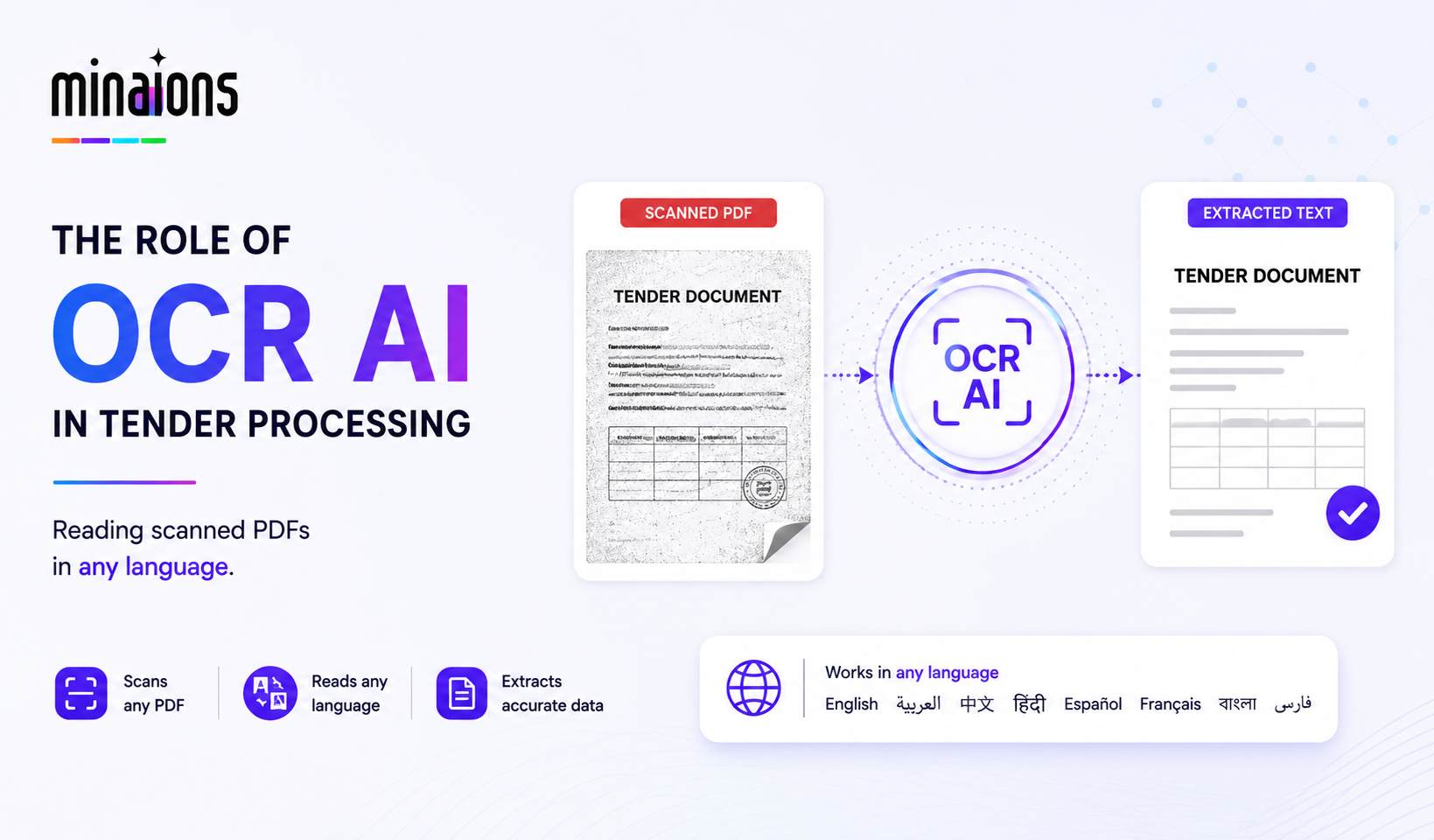
In public procurement, delays in tender evaluation disrupt service delivery cycles, stall infrastructure projects, and undermine public confidence.
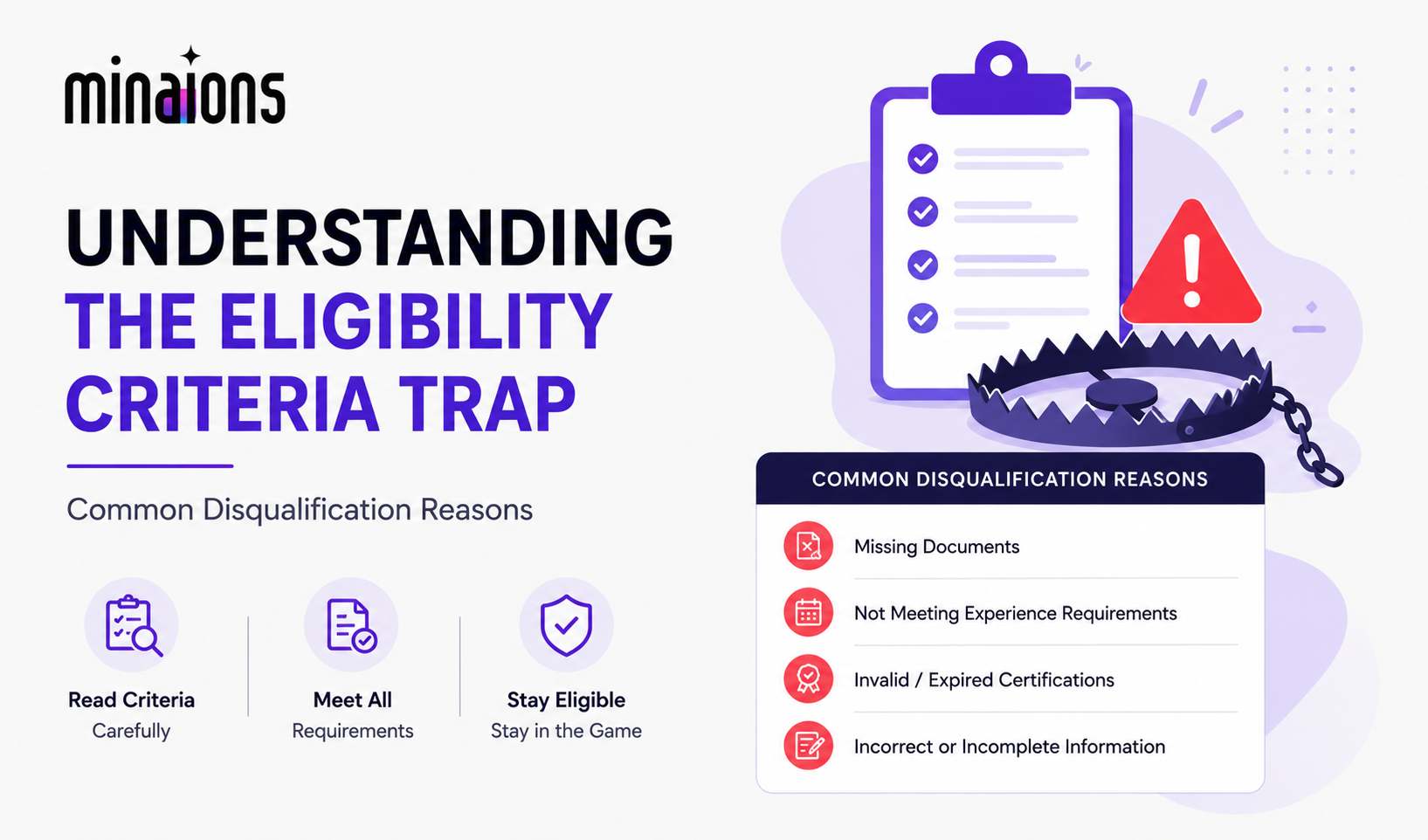
In public procurement, a single missing signature, an outdated certification, or a delayed submission can erase months of strategic planning and hundreds of hours of effort.