
A small manufacturing firm in Ludhiana missed a ₹2.3 crore contract after spending 14 hours manually scanning the GeM portal, only to find the tender had closed two days earlier. This is not an isolated case.

A small civil engineering firm in Lucknow spent three weeks manually parsing a 420-page NHAI tenders document, only to miss a critical clause in the contractor registration requirements and lose eligibility.

A small manufacturing firm in Ludhiana missed a ₹2.
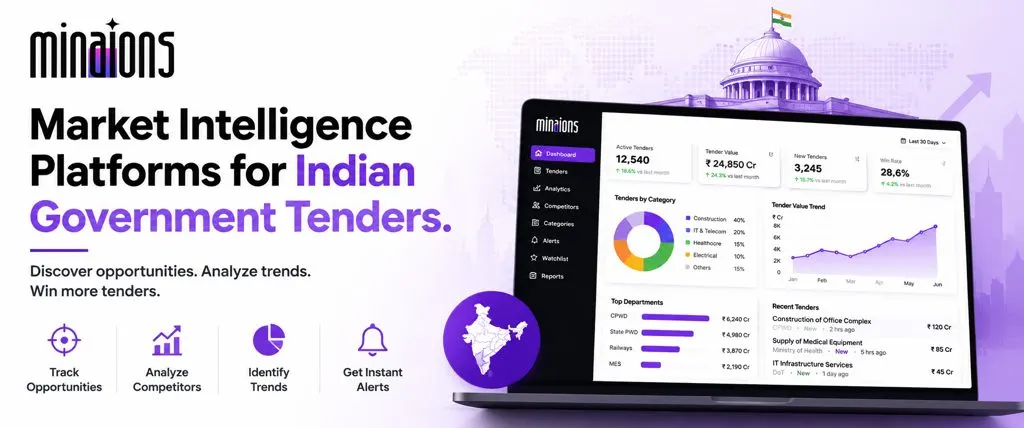
Discover how AI-powered market intelligence platforms streamline tender registration, procurement compliance, and government bidding success.
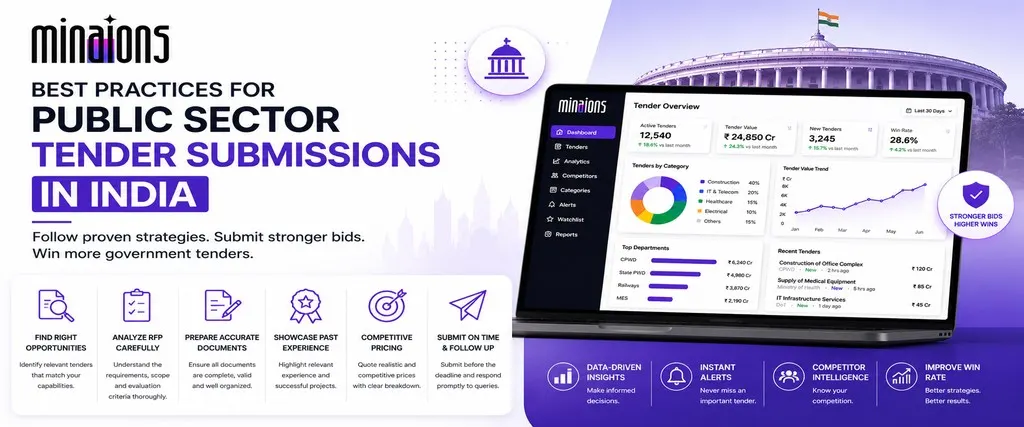
The Indian public procurement landscape is undergoing significant transformation.
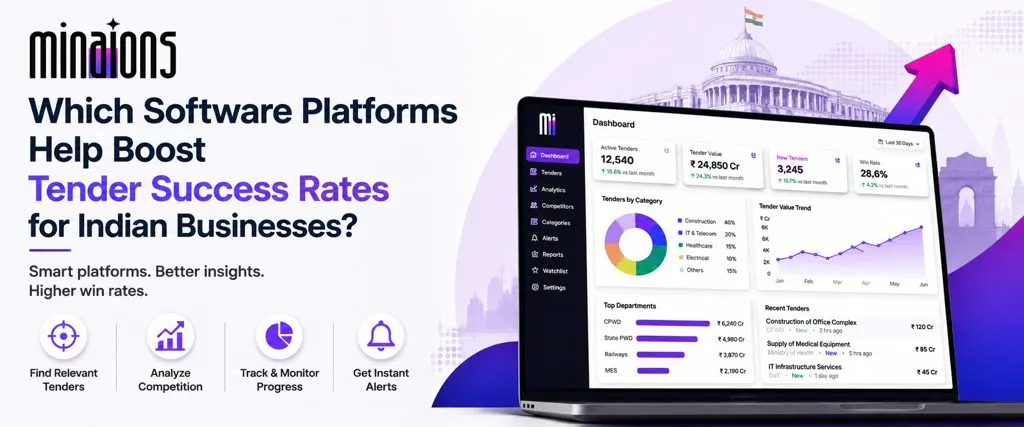
The stakes in Indian government tendering have never been higher.

The stakes in Indian government tendering have never been higher. Public procurement spending exceeds ₹50 lakh crore annually, with digital platforms like GeM and CPPP now mandating electronic submissions.
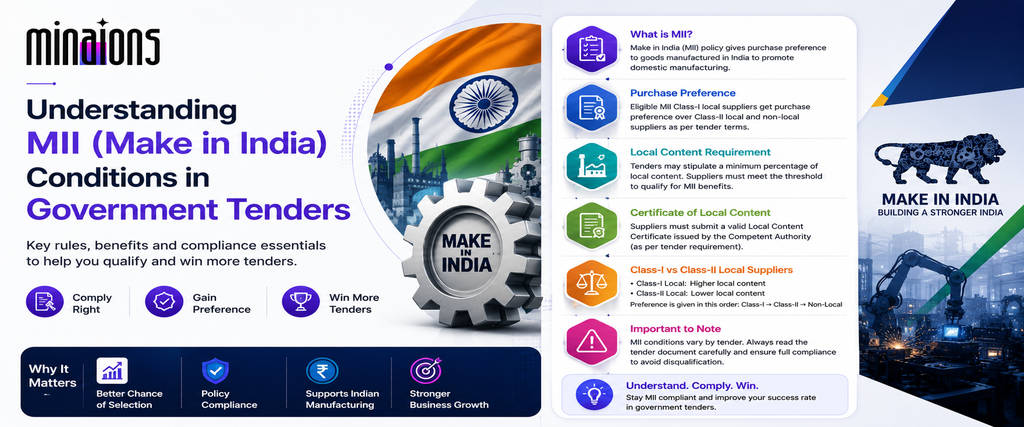
In the high-stakes arena of government tendering, a single misstep in declaring local content can mean the difference between winning a multi-million-pound contract and facing a two-year debarment.
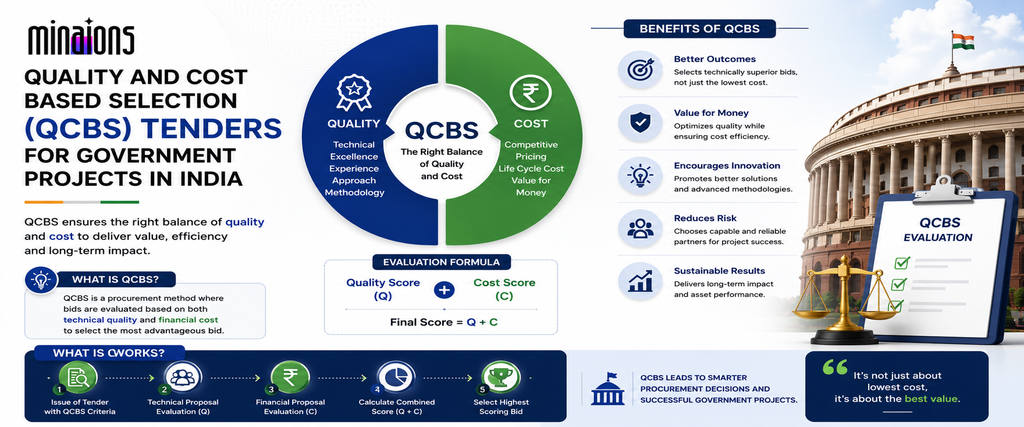
The Indian public procurement landscape is undergoing a quiet but profound transformation.
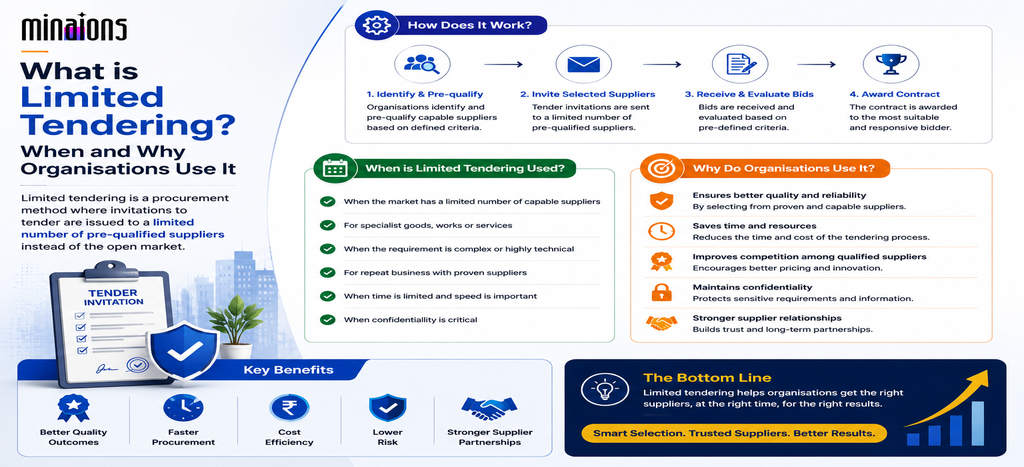
In an era where public sector budgets are stretched thin and procurement workloads are projected to rise by 10% in 2025, organisations must balance speed, compliance, and value.
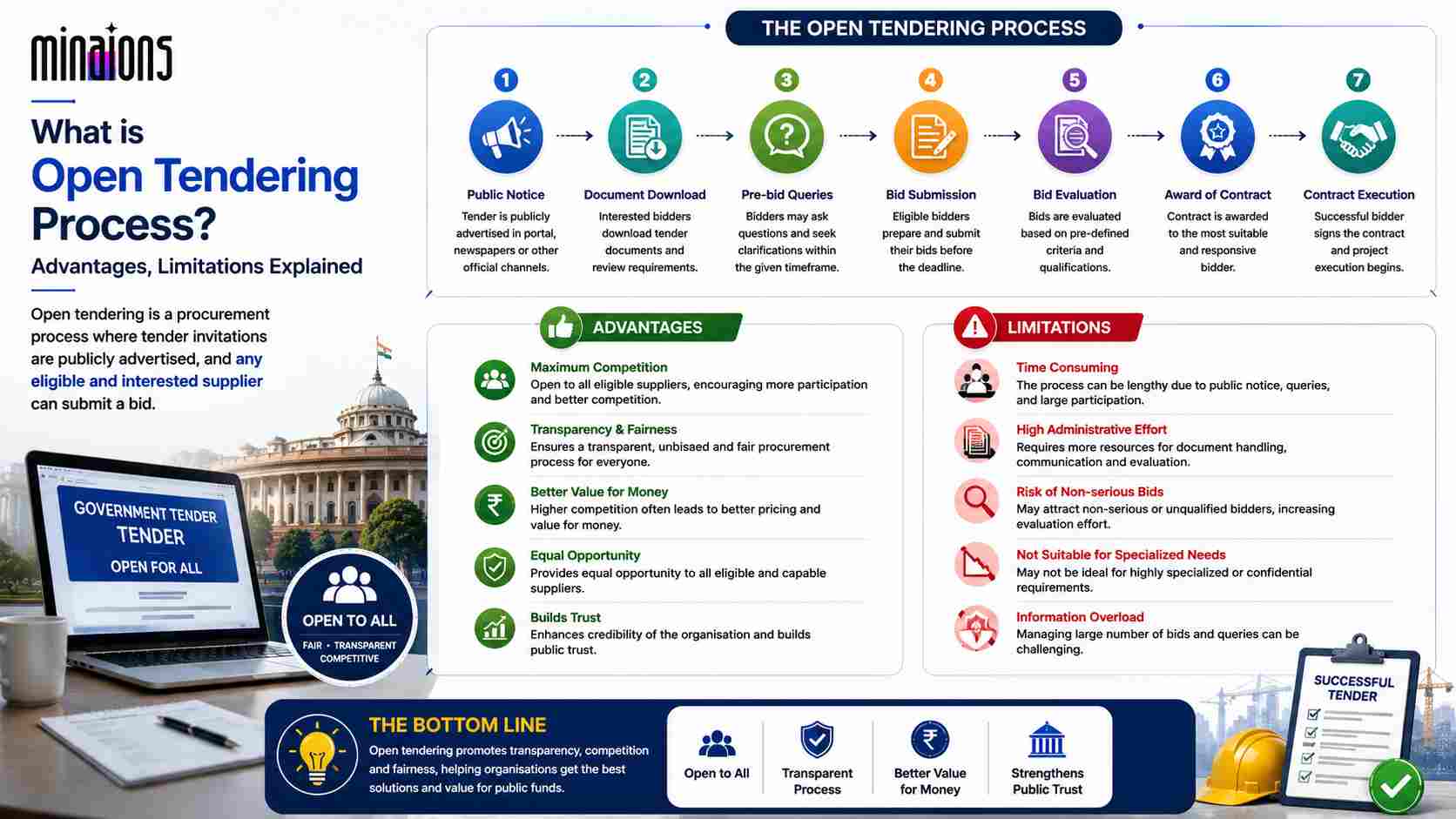
In an era where public trust hinges on the integrity of every pound spent, government agencies face mounting pressure to balance transparency, efficiency, and compliance in their procurement processes.
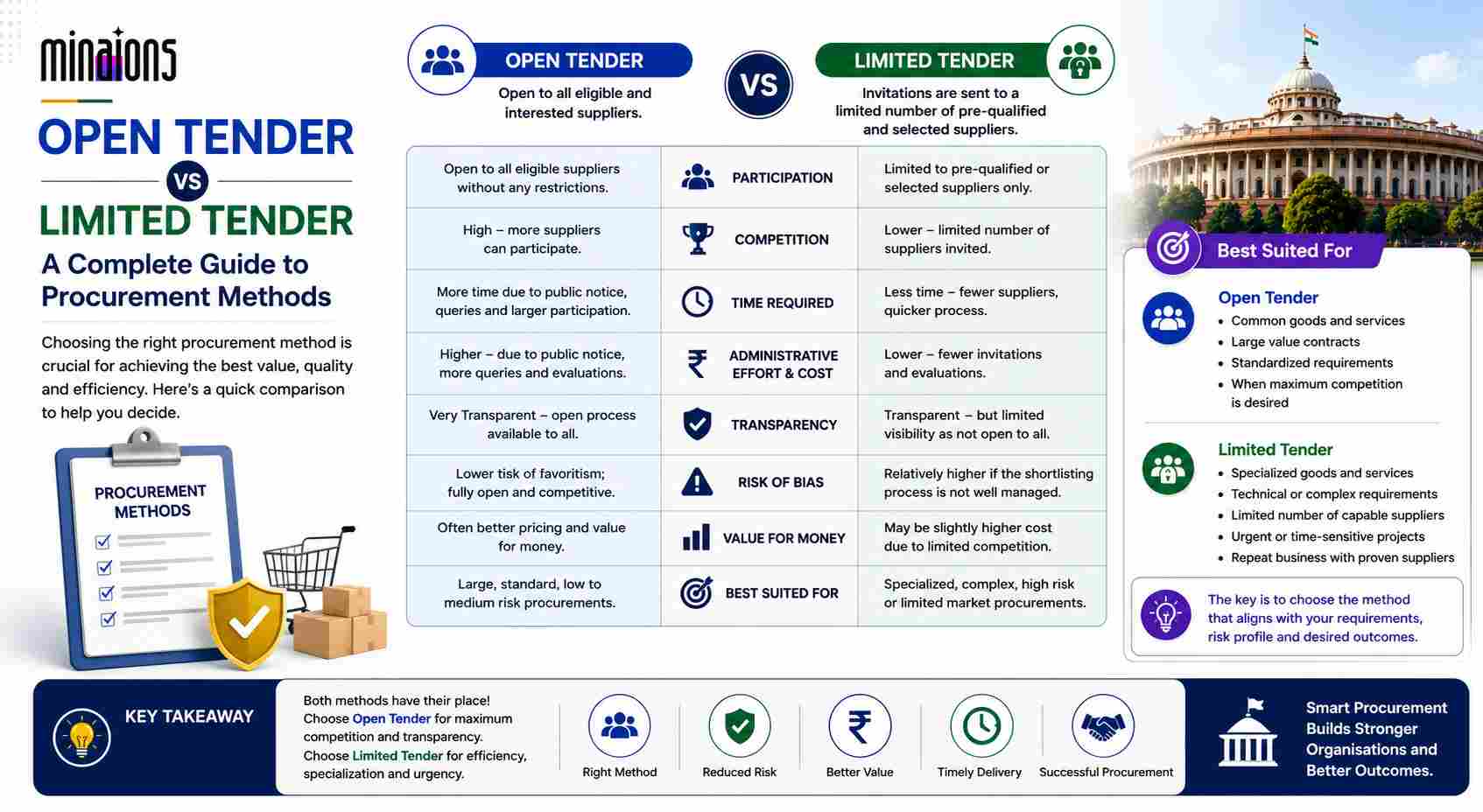
Public procurement systems across the UK and beyond face intense pressure to balance transparency, efficiency, and value for money amid rising regulatory scrutiny, constrained resources, and complex supply chain risks.