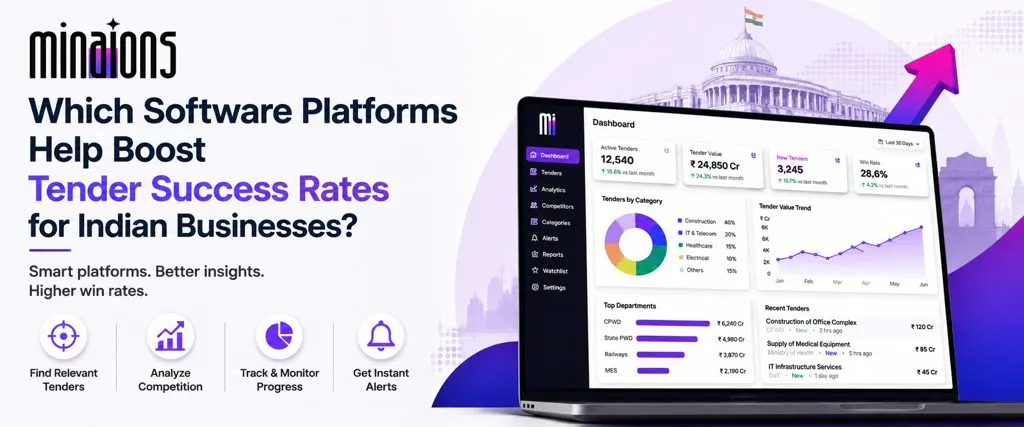
The stakes in Indian government tendering have never been higher.
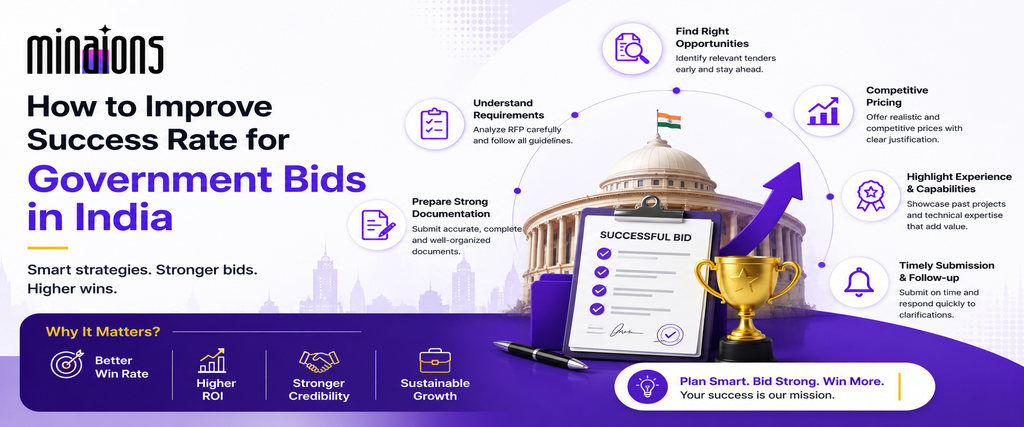
The stakes in Indian government tendering have never been higher. Public procurement spending exceeds ₹50 lakh crore annually, with digital platforms like GeM and CPPP now mandating electronic submissions.
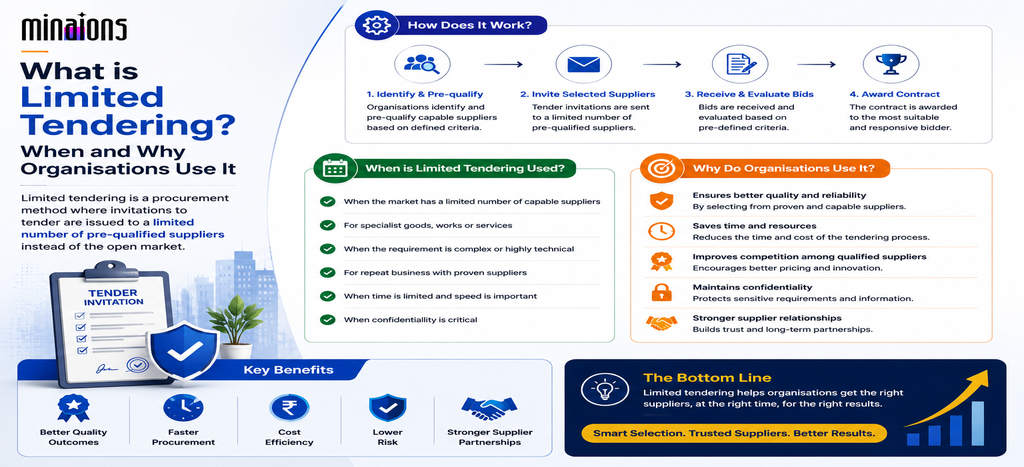
In an era where public sector budgets are stretched thin and procurement workloads are projected to rise by 10% in 2025, organisations must balance speed, compliance, and value.
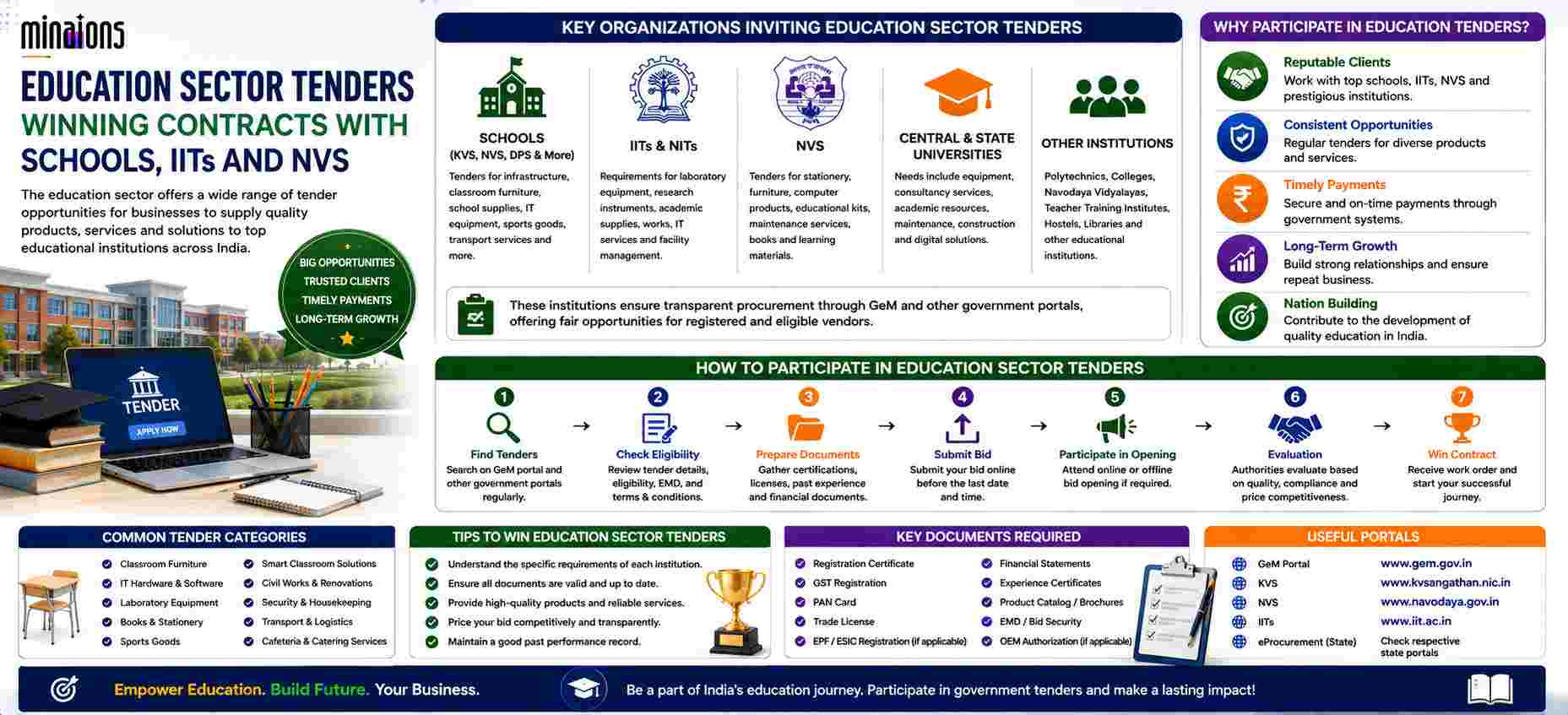
The public procurement landscape in India’s education sector is undergoing a silent revolution.
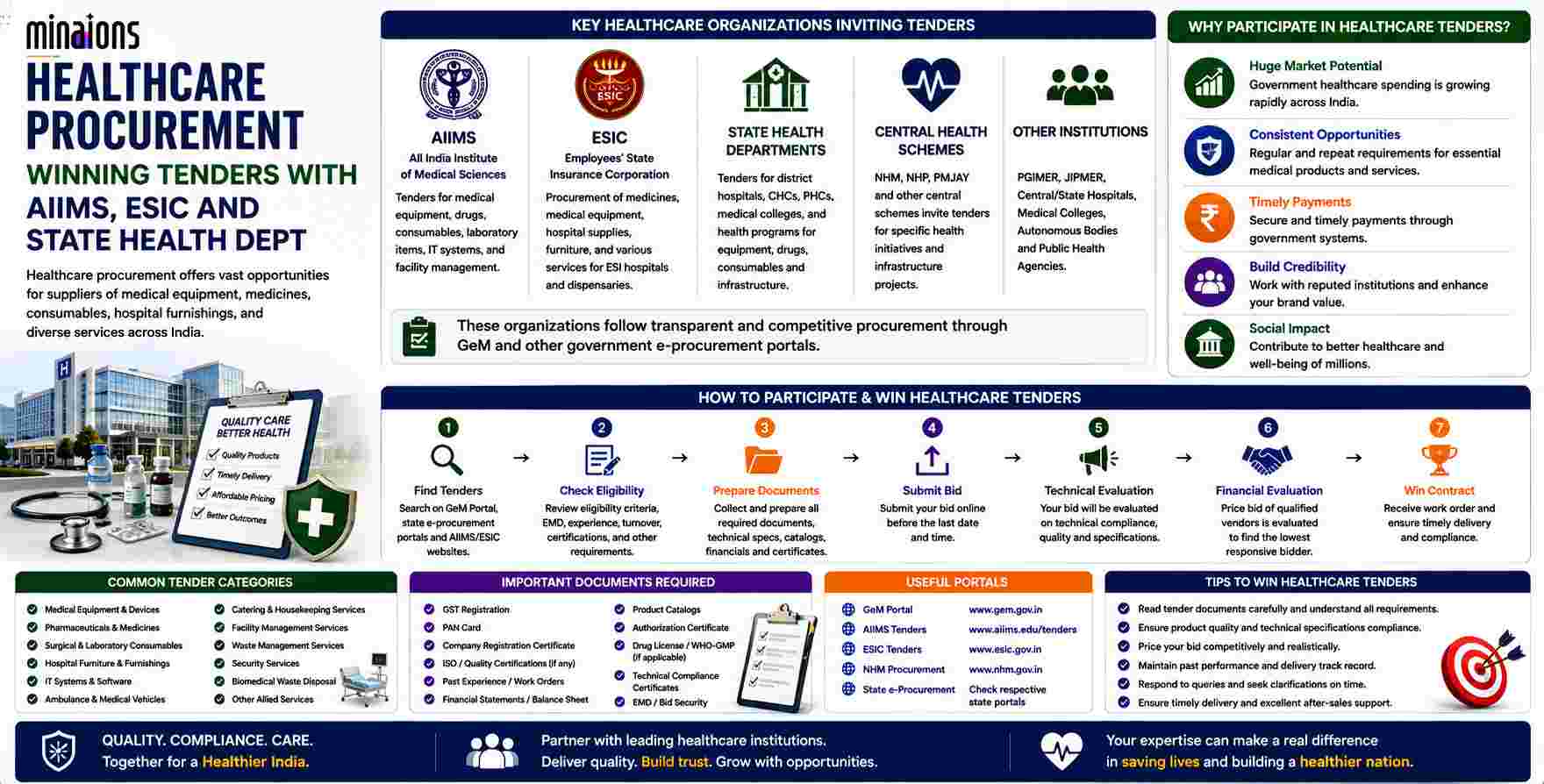
The landscape of public healthcare procurement in India is undergoing a quiet revolution.
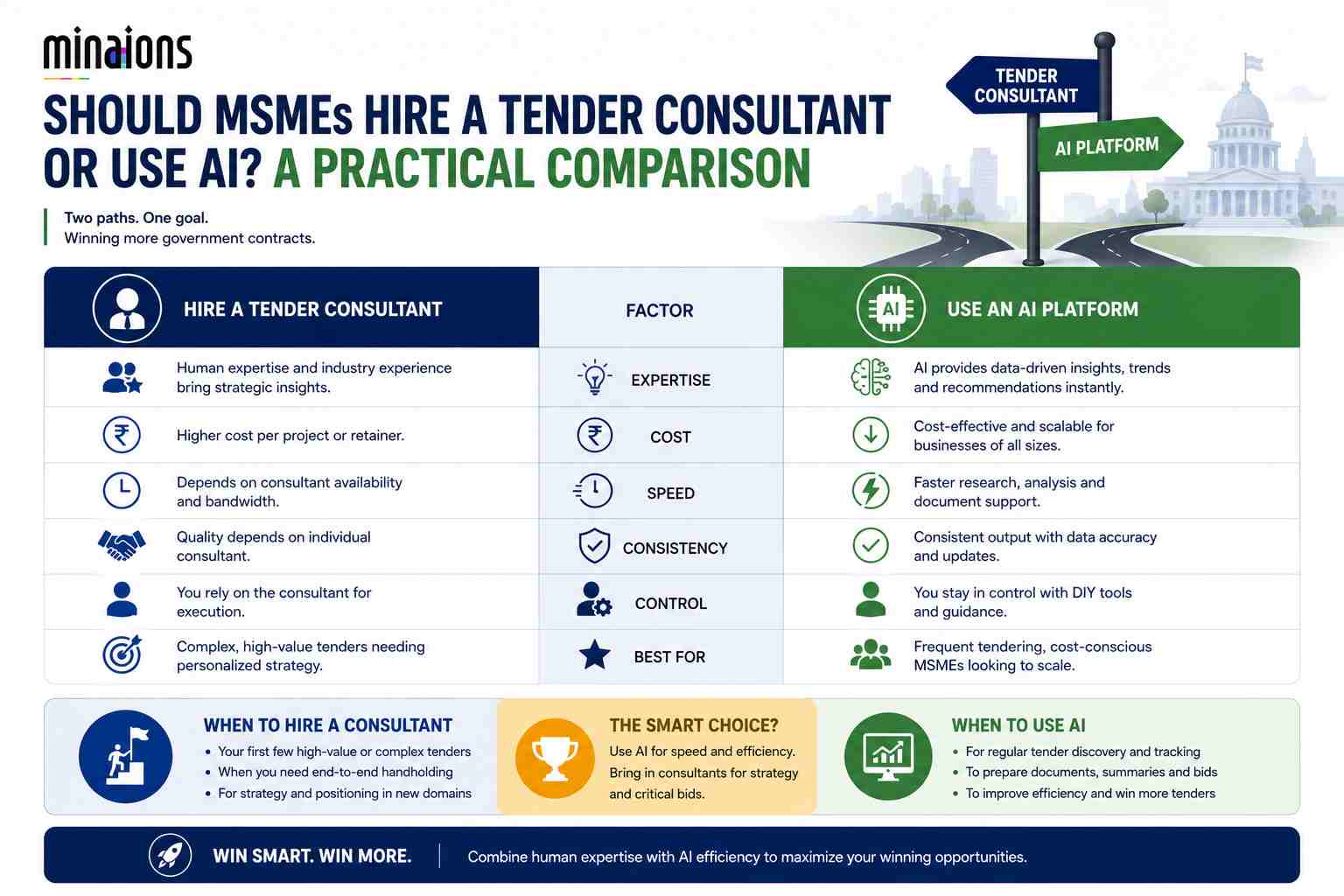
For micro, small, and medium-sized enterprises navigating public procurement, choosing between a tender consultant and AI-powered tools is a strategic decision, not a preference.
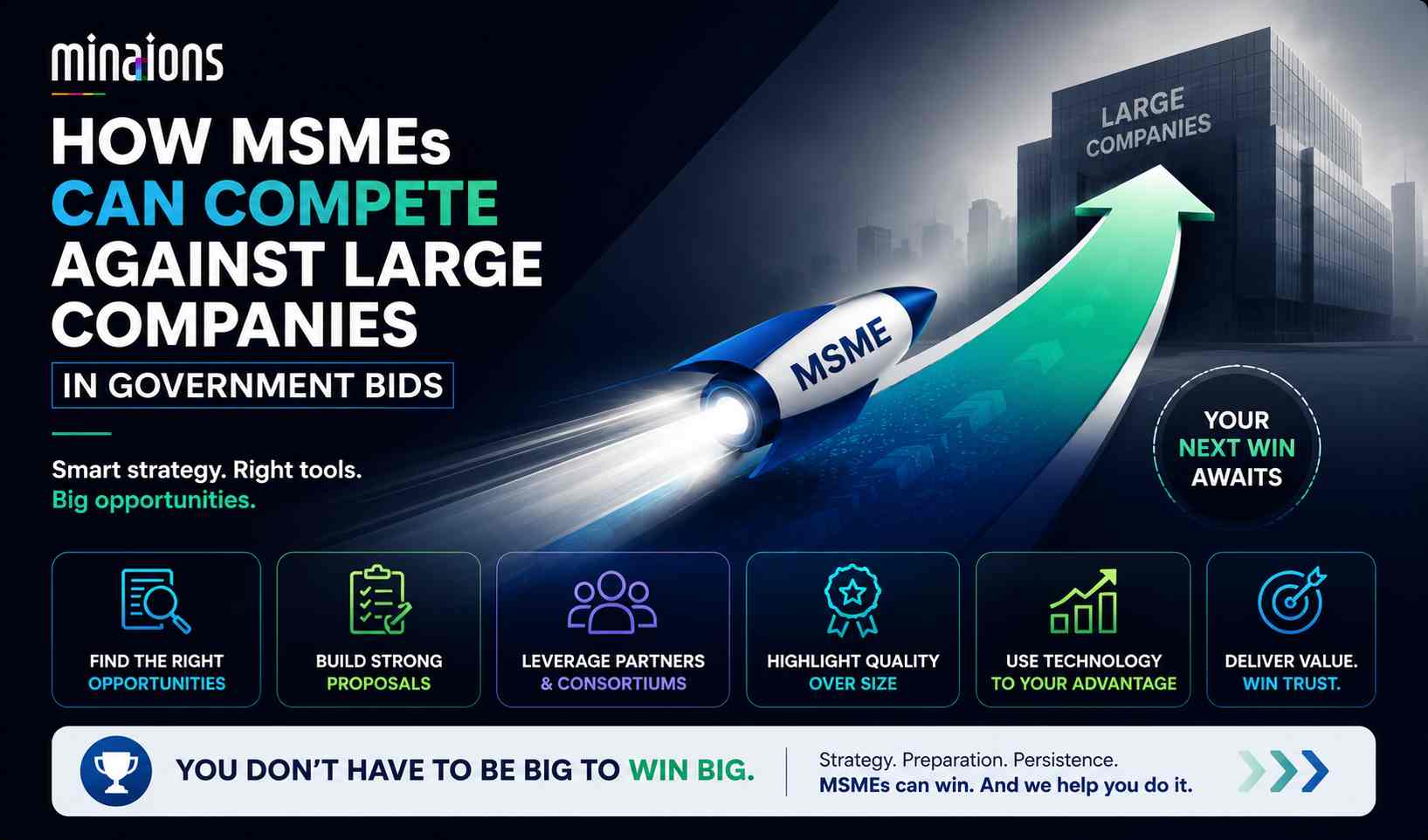
The public procurement landscape is no longer dominated by scale, it is shaped by strategy, speed, and intelligent technology.
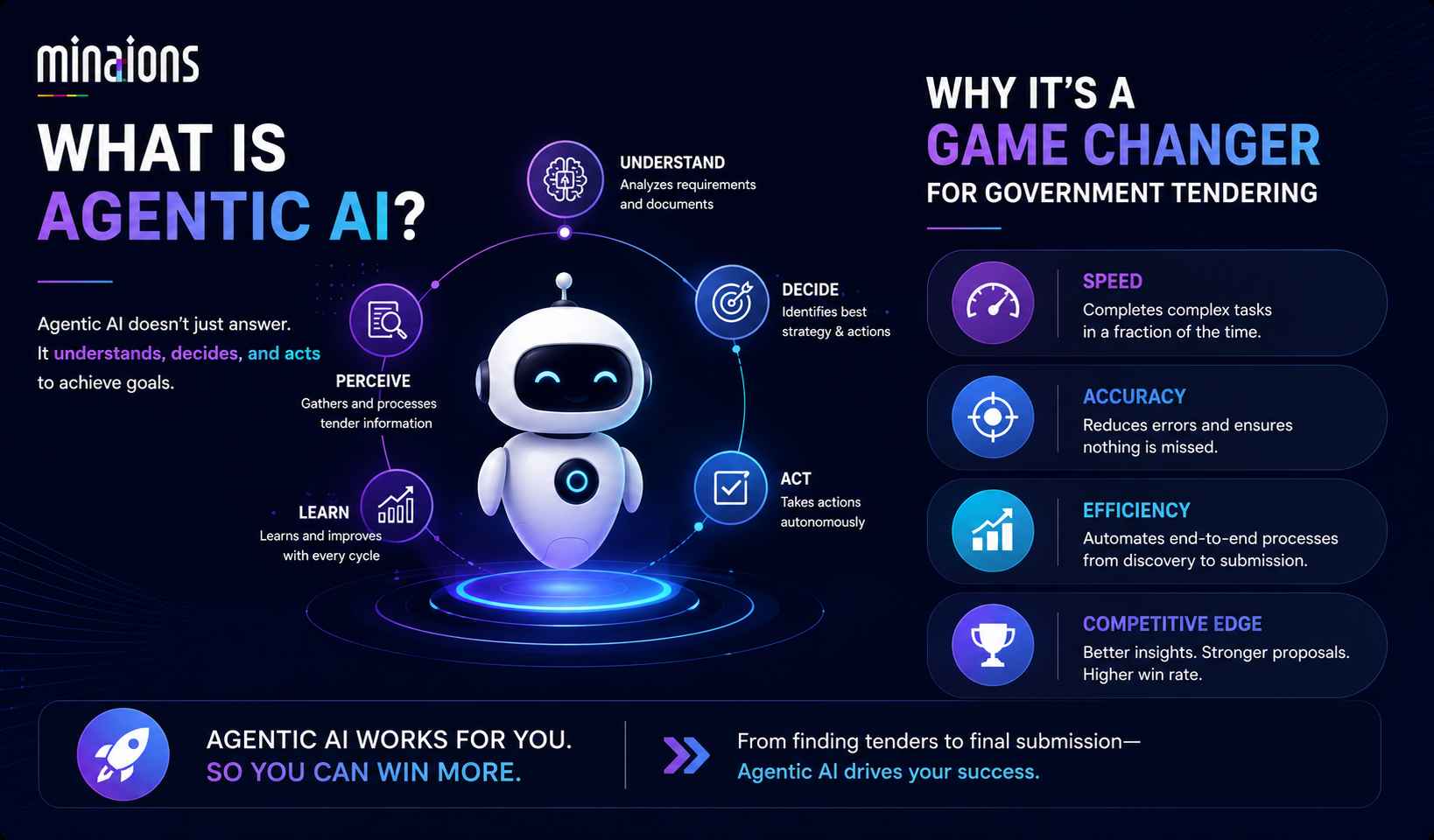
Government tendering faces mounting pressure to deliver value, ensure compliance, and accelerate timelines amid tightening budgets and heightened scrutiny.
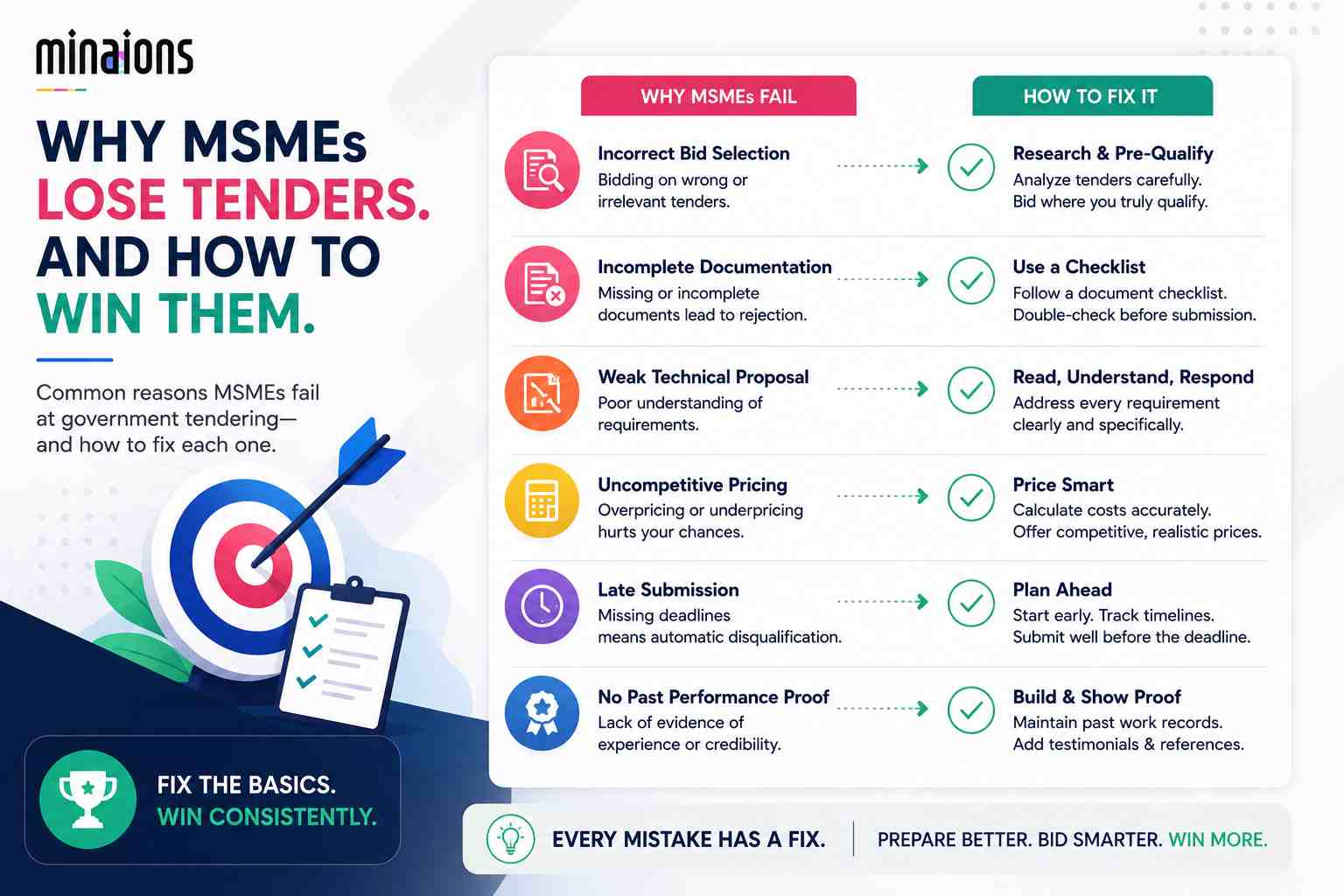
Public procurement has become a critical pathway for MSMEs to access stable, long-term revenue.
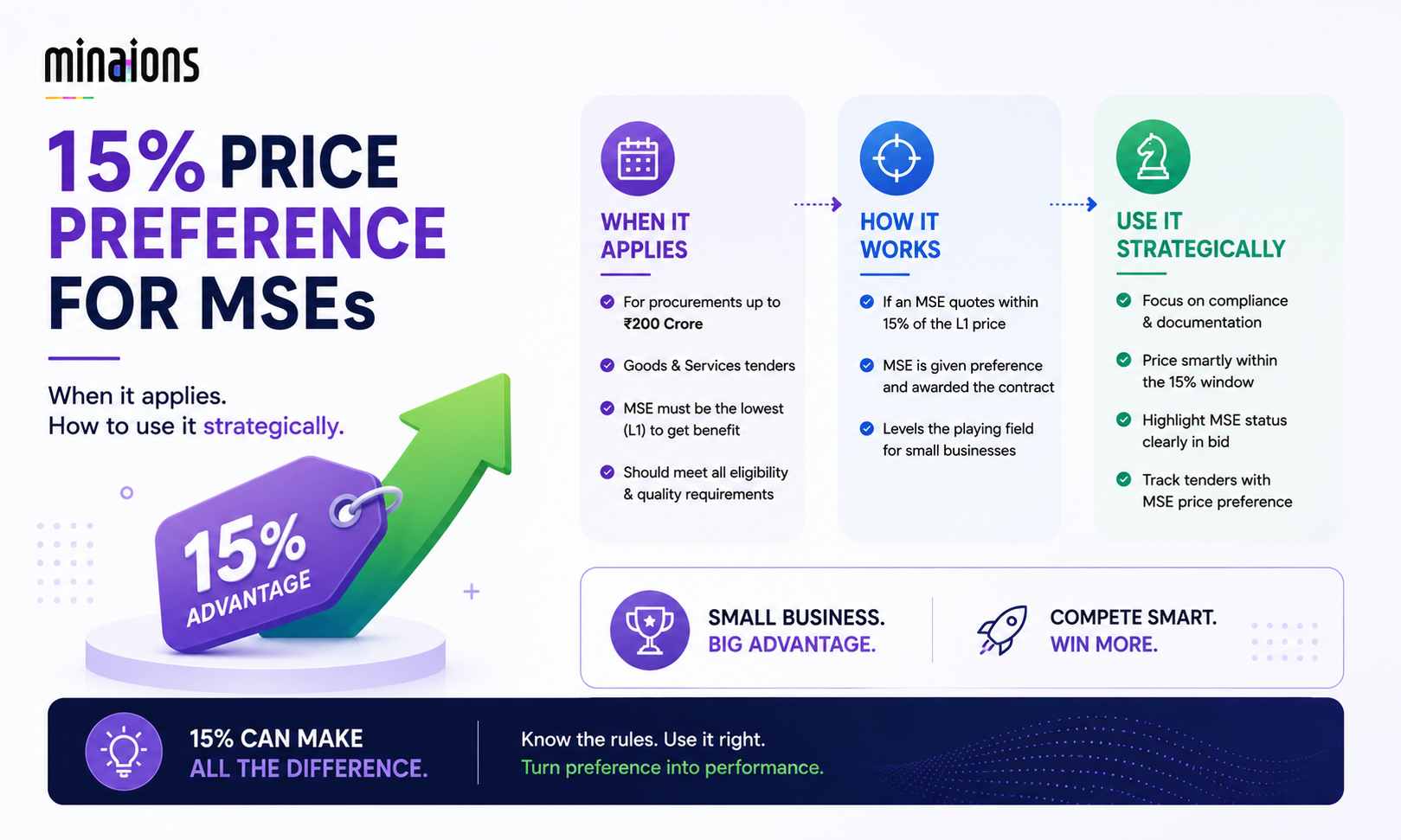
In an era where public procurement budgets are under intensified scrutiny, the 15% Price Preference for Micro and Small Enterprises (MSEs) has emerged as one of the most consequential levers for equitable market access.
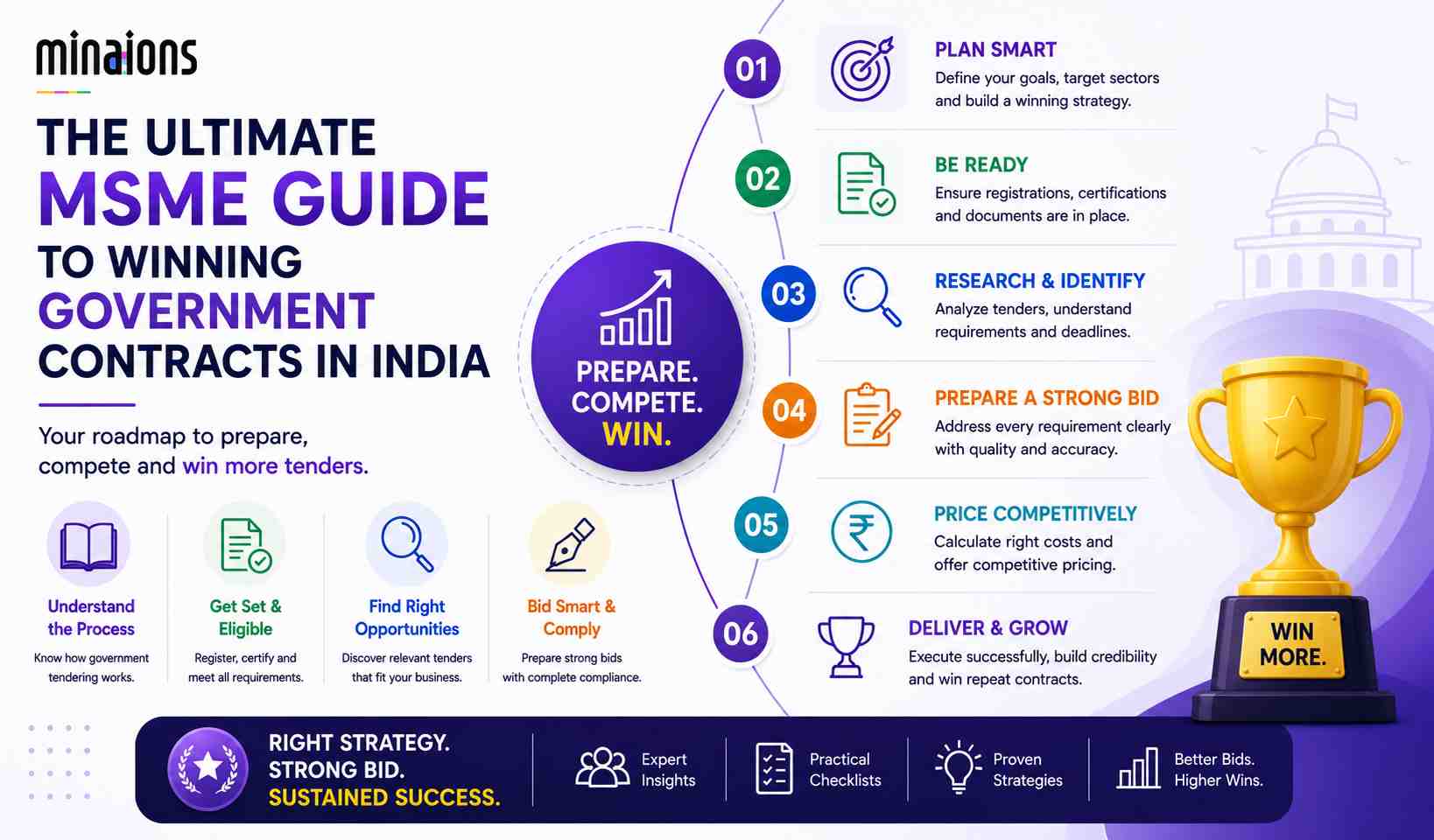
For Micro and Small Enterprises in India, the public procurement landscape is no longer a labyrinth of bureaucratic delay, it is a high-stakes opportunity zone.
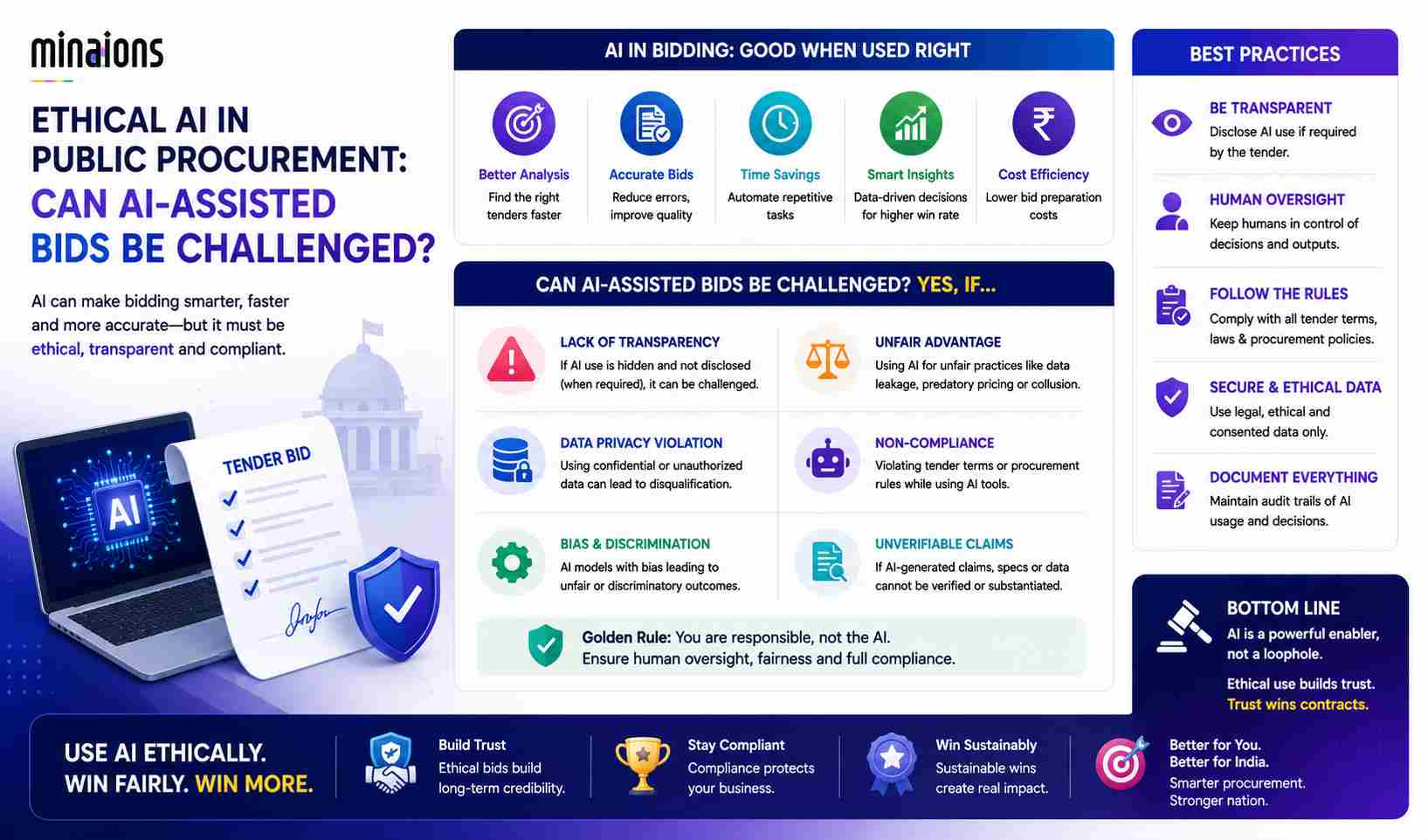
As public procurement systems increasingly rely on AI to evaluate bids, manage contracts, and detect anomalies, a quiet but profound crisis of trust is emerging.