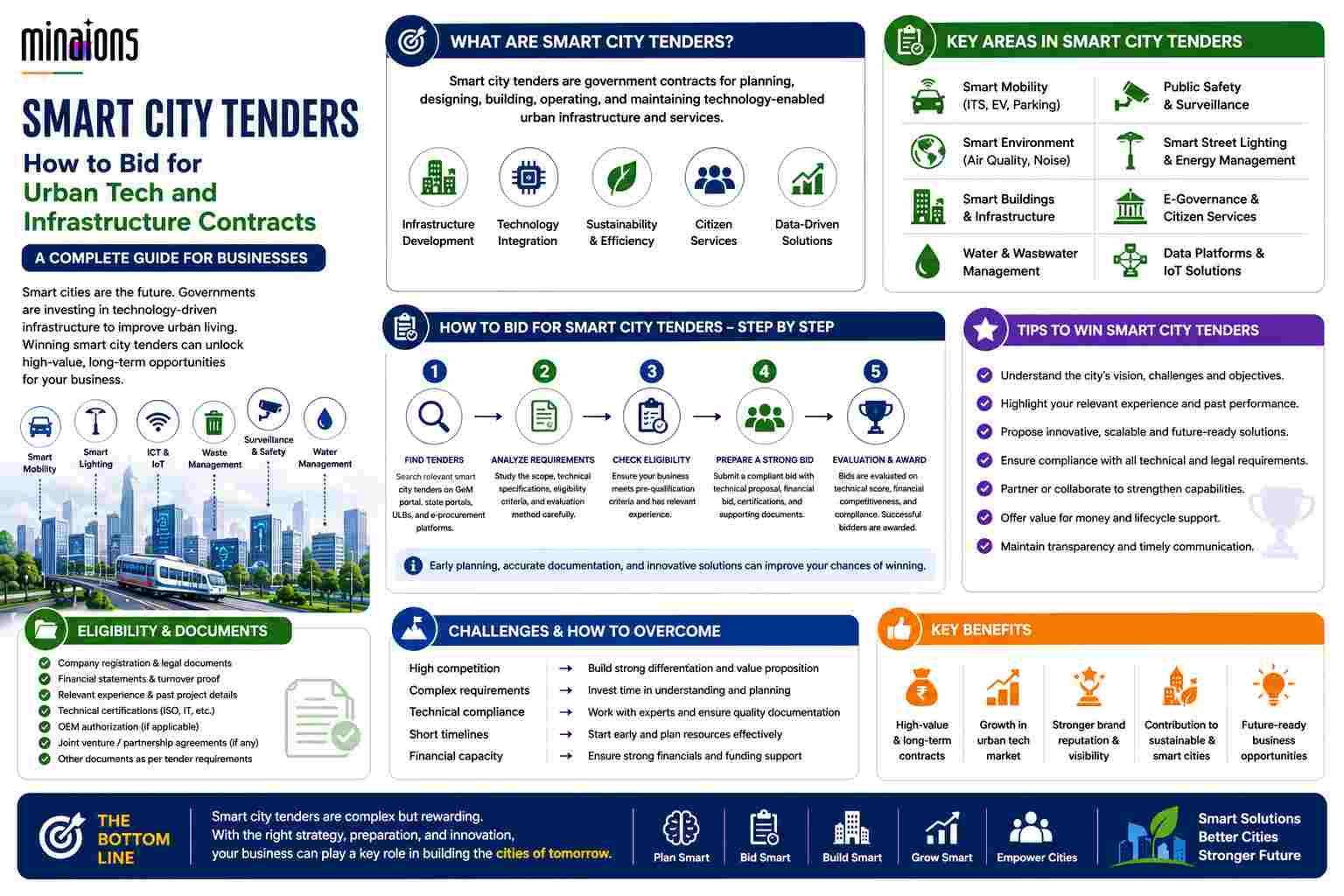
The landscape of public procurement is undergoing a significant transformation.
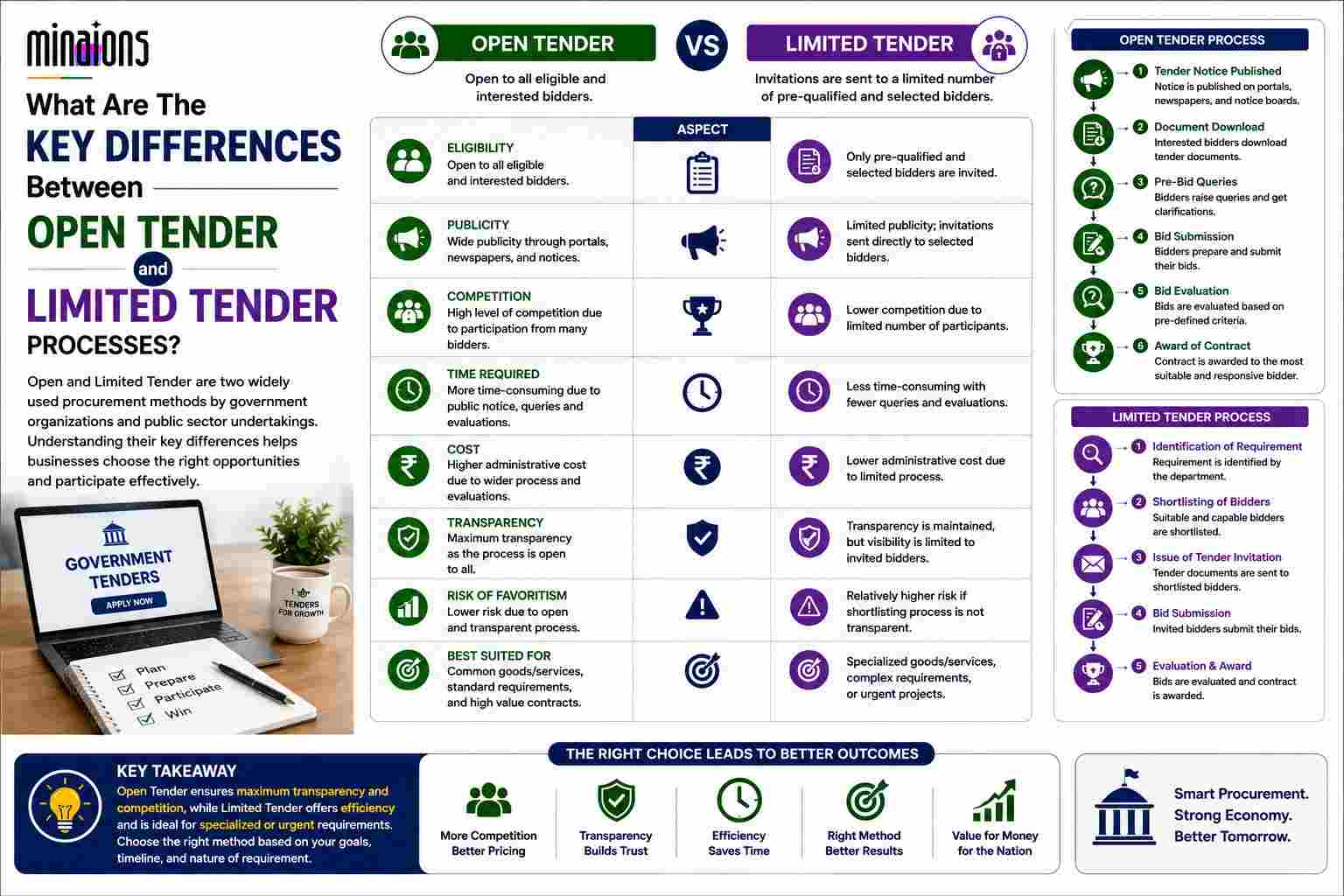
The shift from paper-driven procurement to digital-first government buying is now the standard.
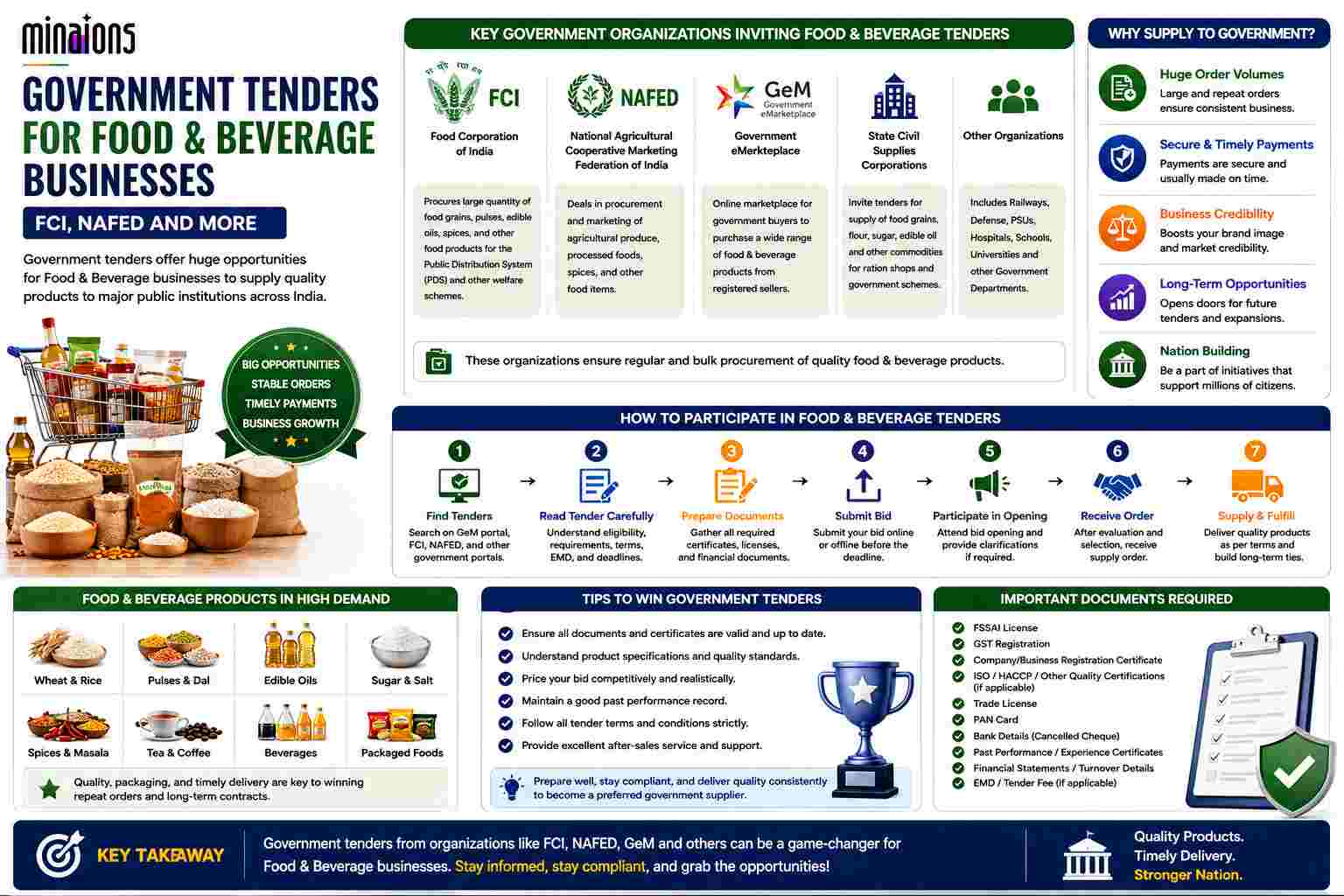
The scale and permanence of government food procurement in India represent one of the most significant growth channels for food and beverage businesses. Over 2.
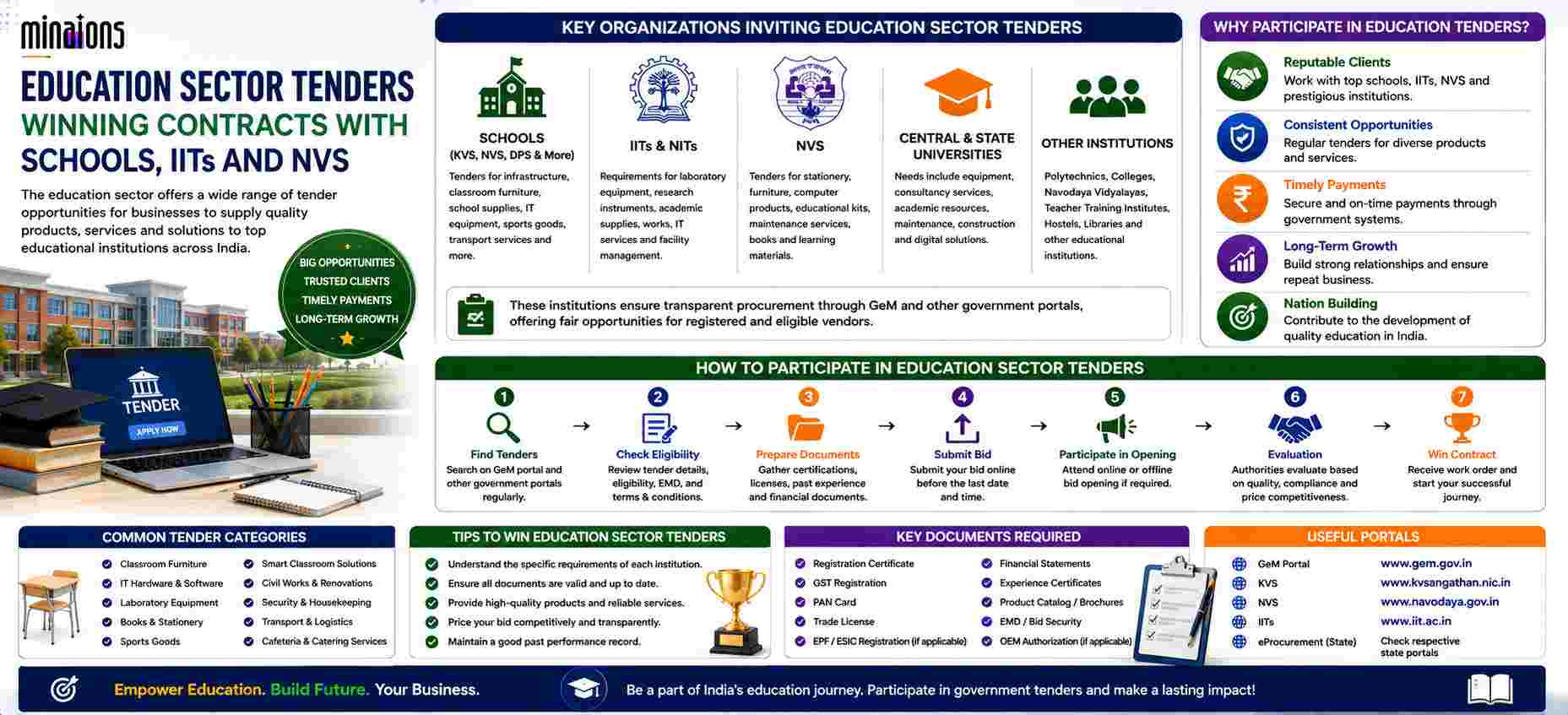
The public procurement landscape in India’s education sector is undergoing a silent revolution.
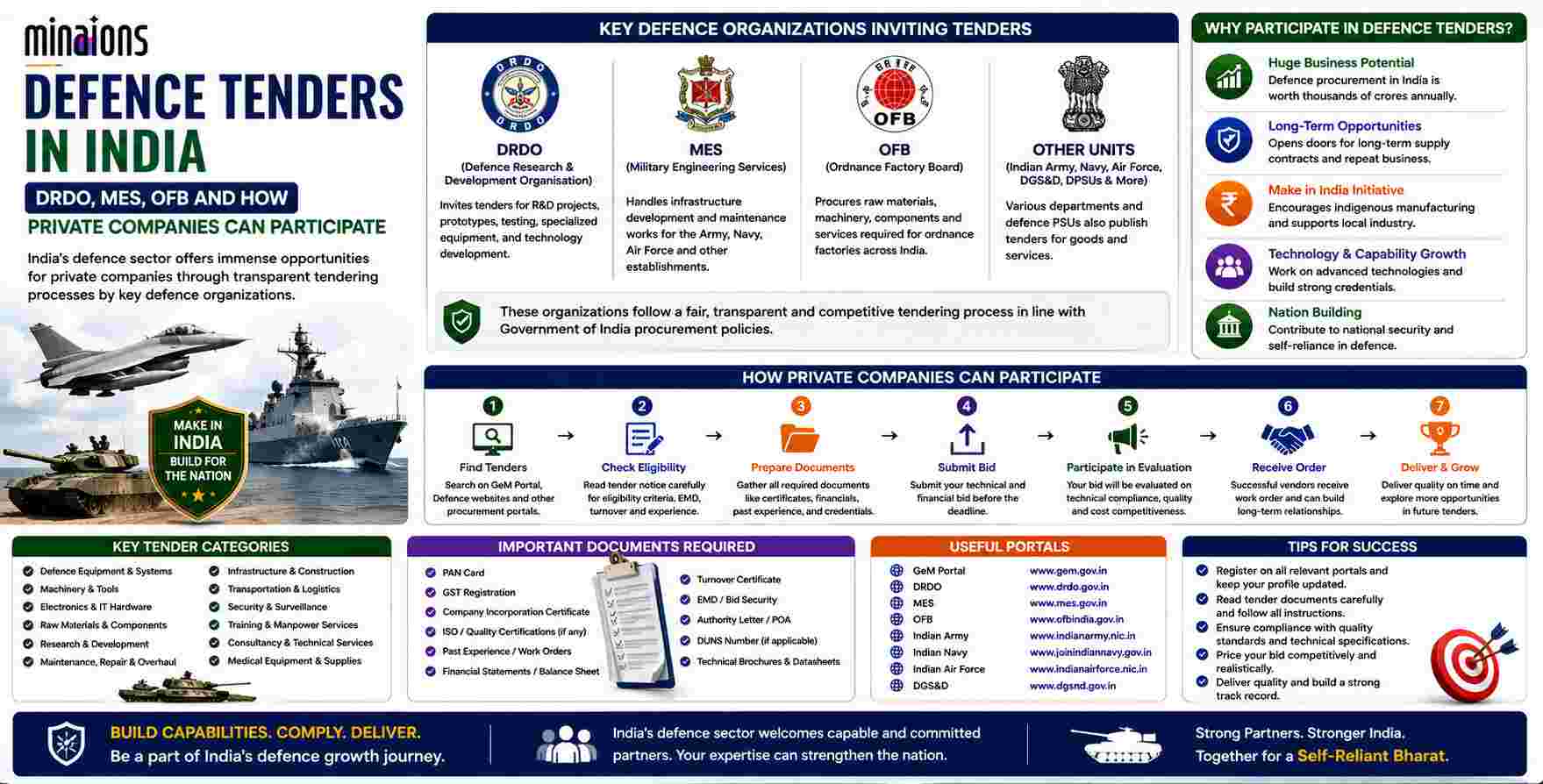
The Indian defence sector is undergoing its most transformative shift in decades.
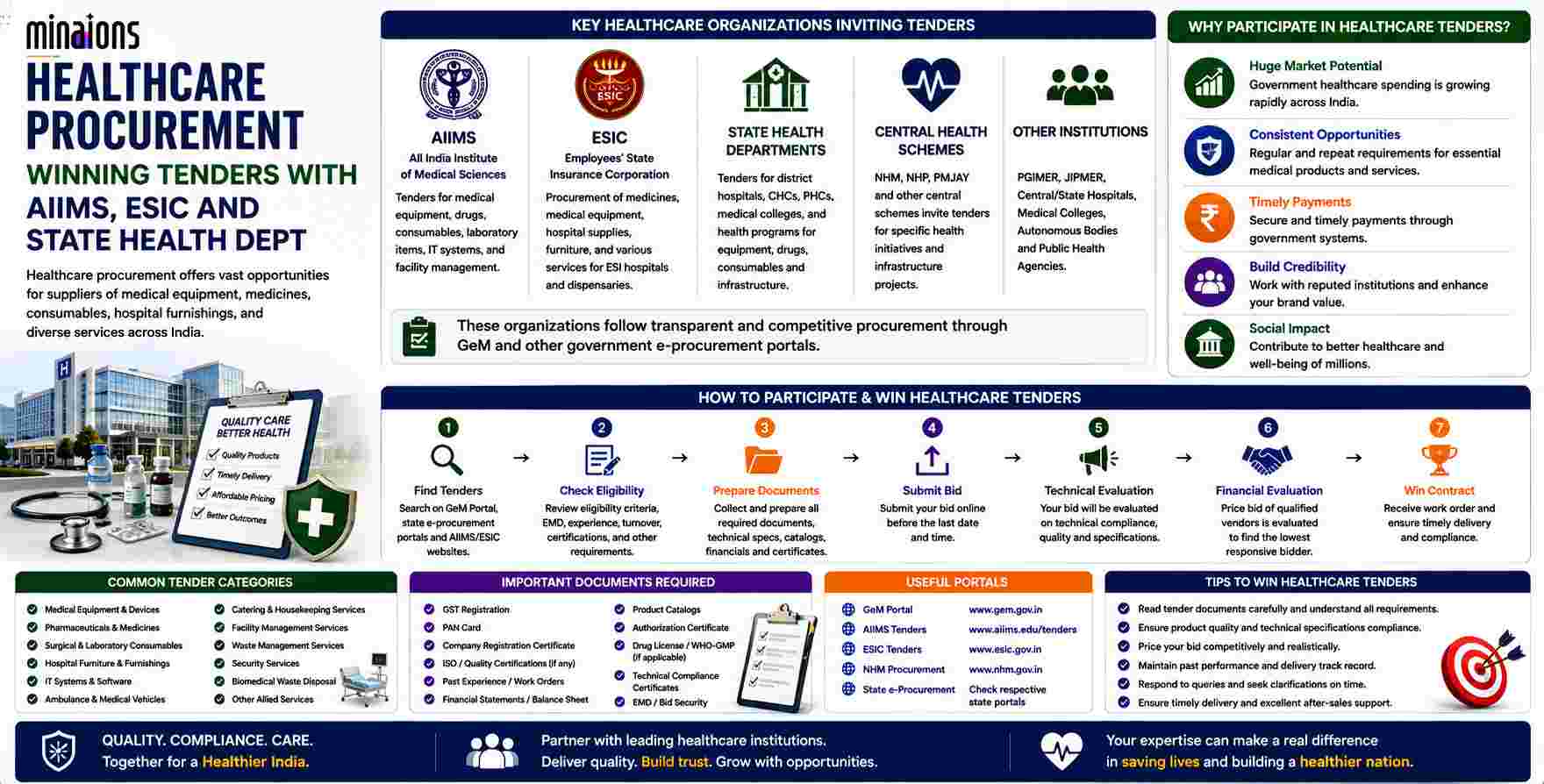
The landscape of public healthcare procurement in India is undergoing a quiet revolution.
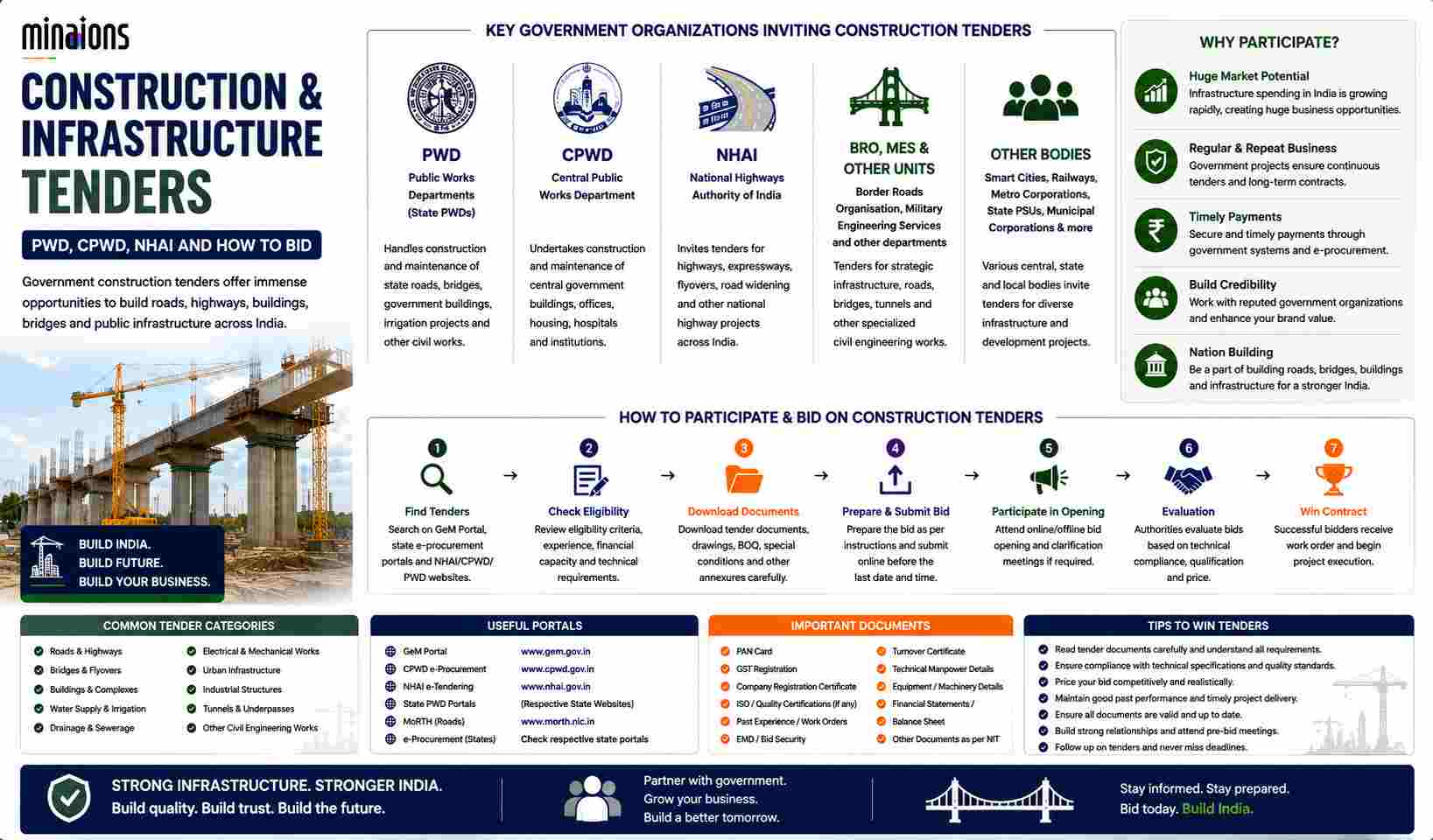
In the high-stakes world of Public Procurement, the difference between a thriving construction firm and a stalled one often hinges on a single bid.

The stakes in Indian government tendering have never been higher.

OEMs are losing revenue due to a lack of tender visibility
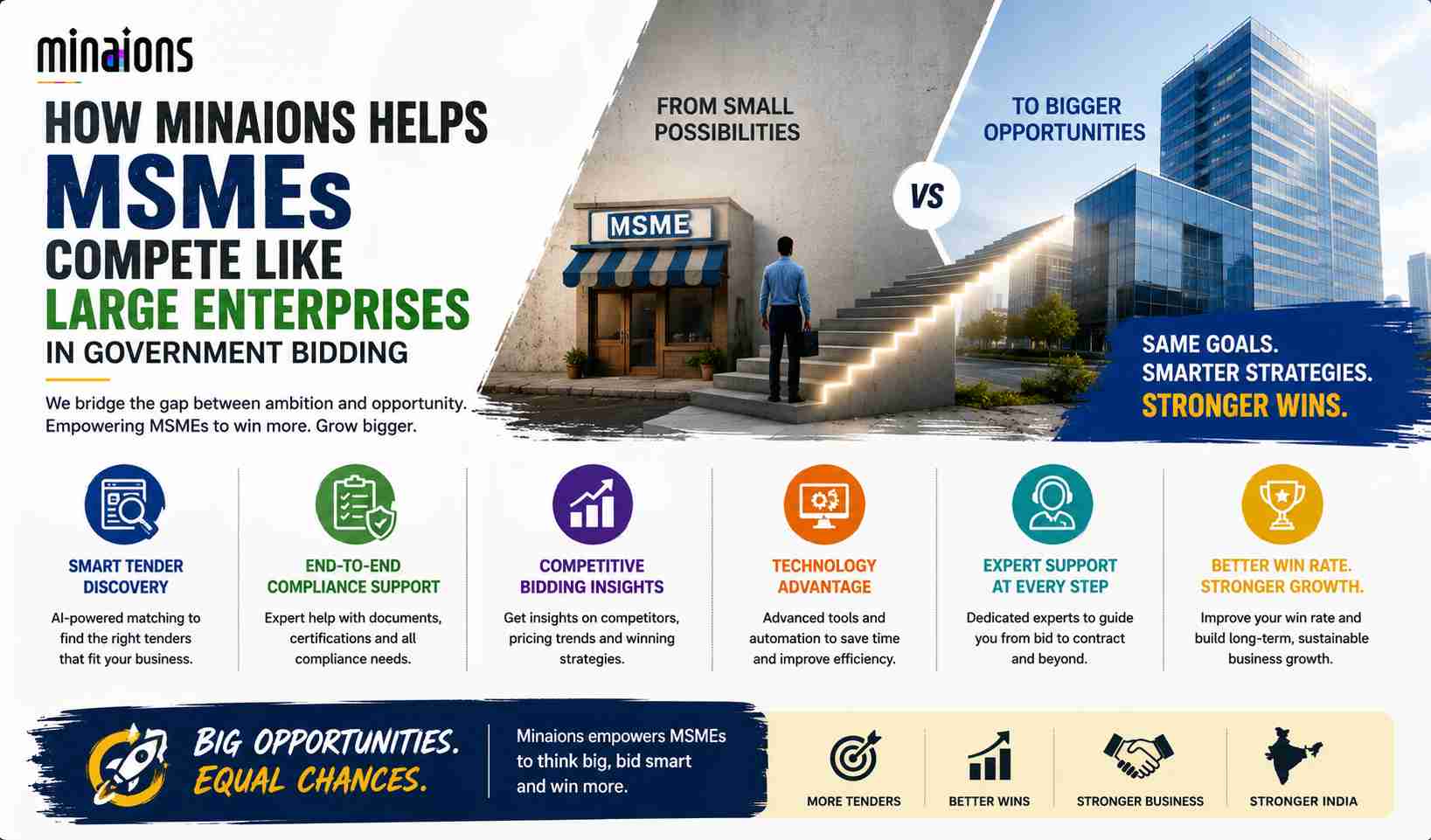
In the high-stakes arena of public procurement, government contracts are no longer reserved for established players with sprawling procurement departments.
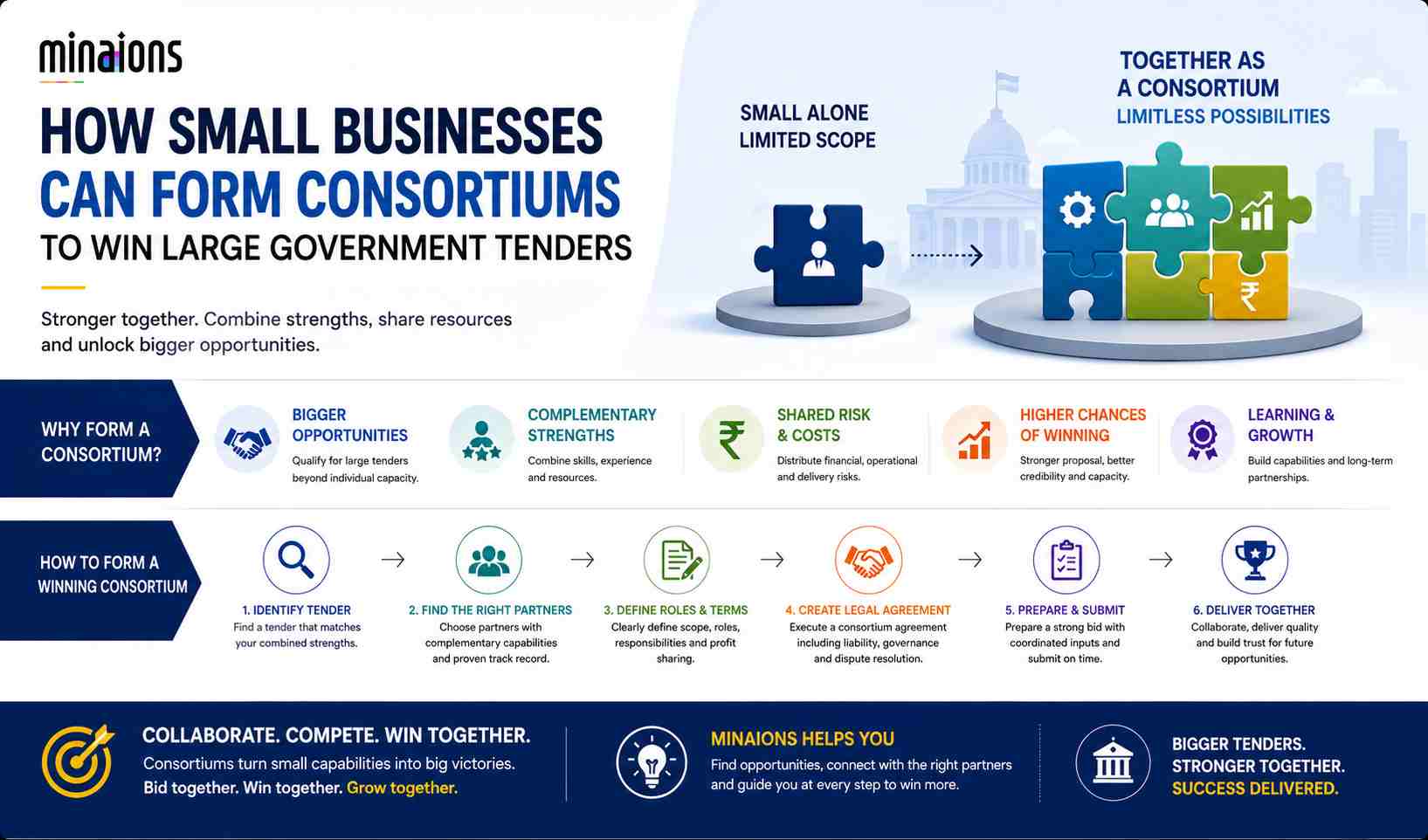
For small businesses in the UK and beyond, the appeal of large government tenders is matched by the challenge of competing against established contractors with extensive resources.
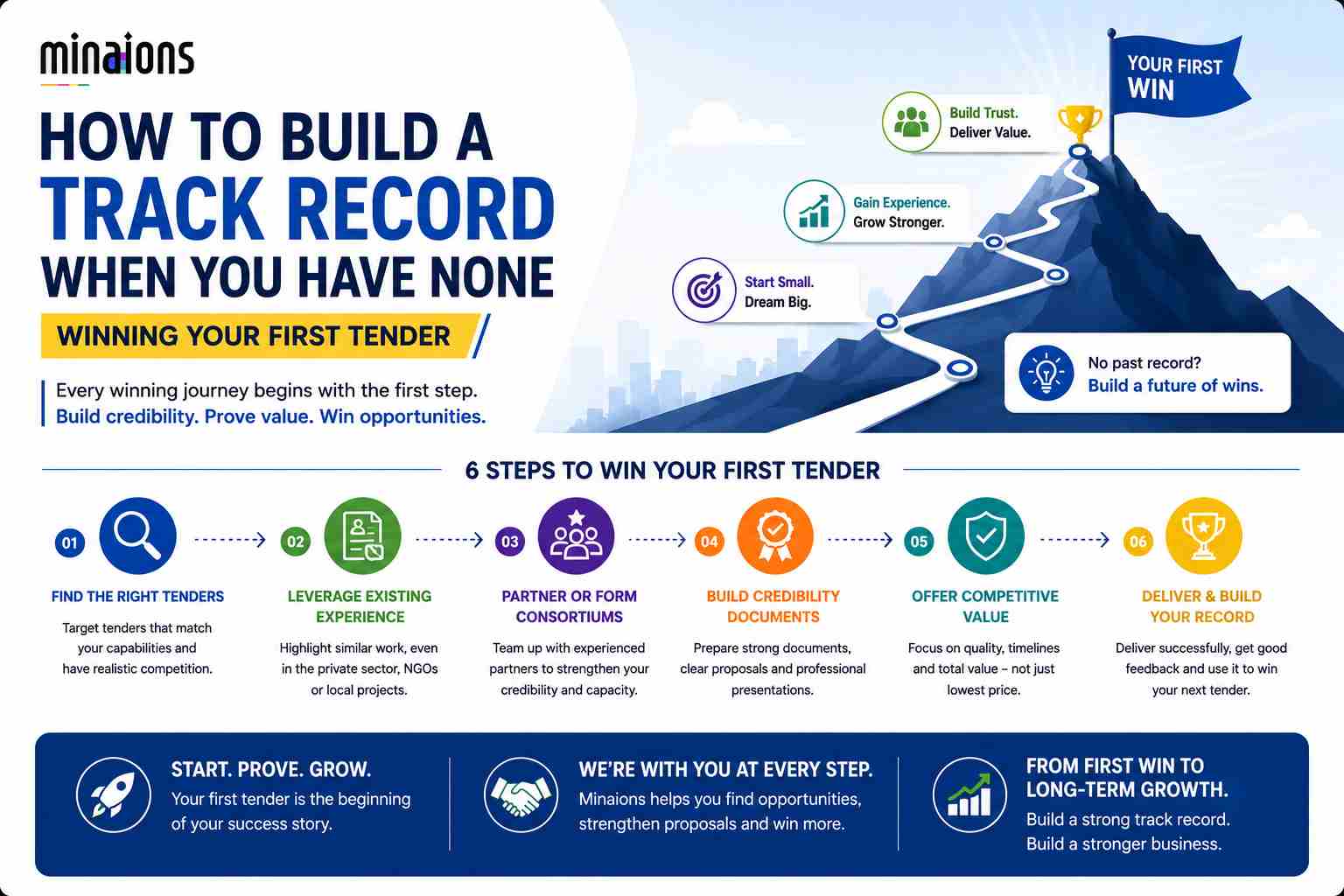
The public procurement landscape is undergoing a quiet revolution. As government agencies accelerate digital transformation, they increasingly seek innovative solutions from emerging GovTech and B2G SaaS providers.