Tender annexures are legally binding supplementary documents appended to the main tender specification, providing detailed requirements that bidders must satisfy to be considered eligible.
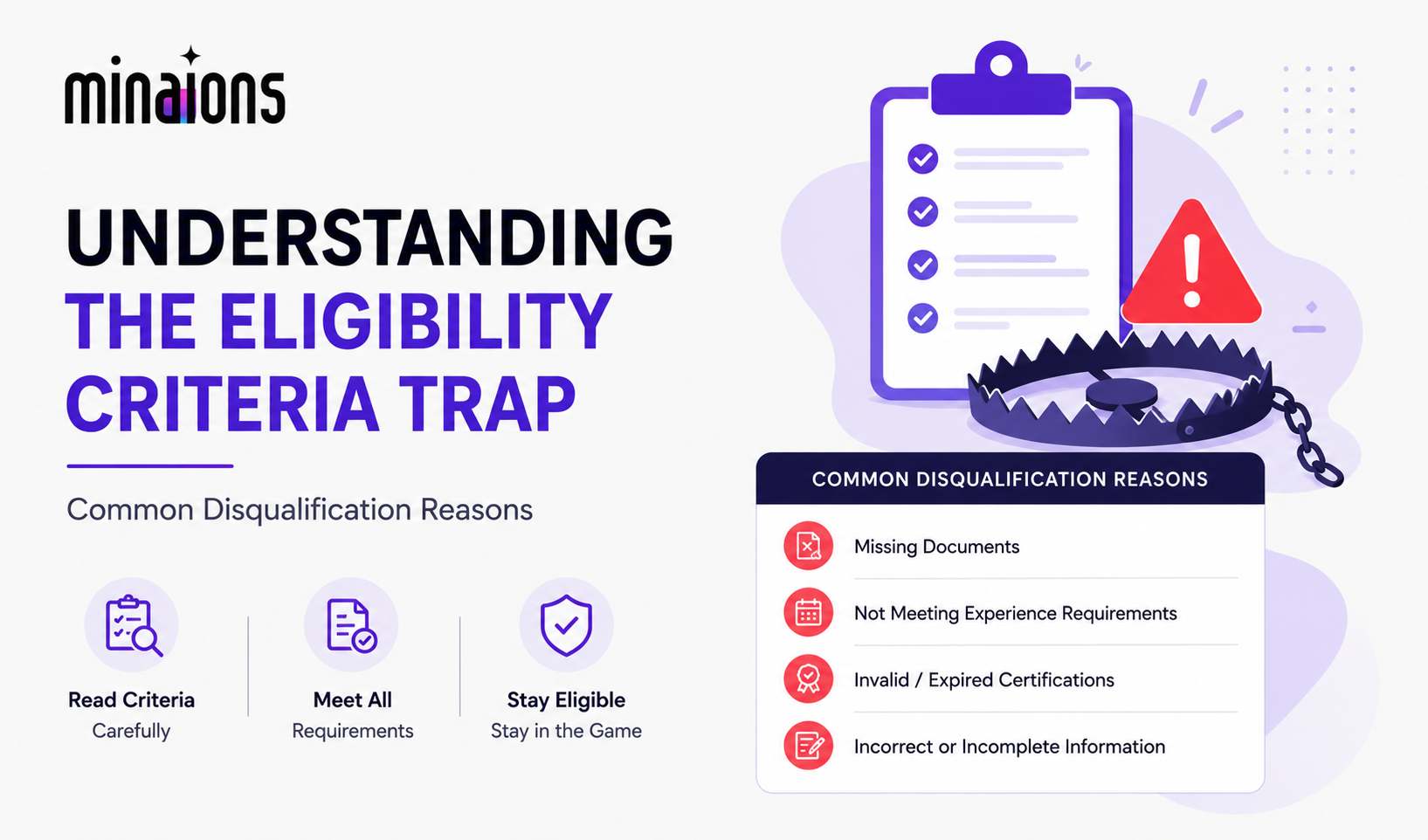
In public procurement, a single missing signature, an outdated certification, or a delayed submission can erase months of strategic planning and hundreds of hours of effort.
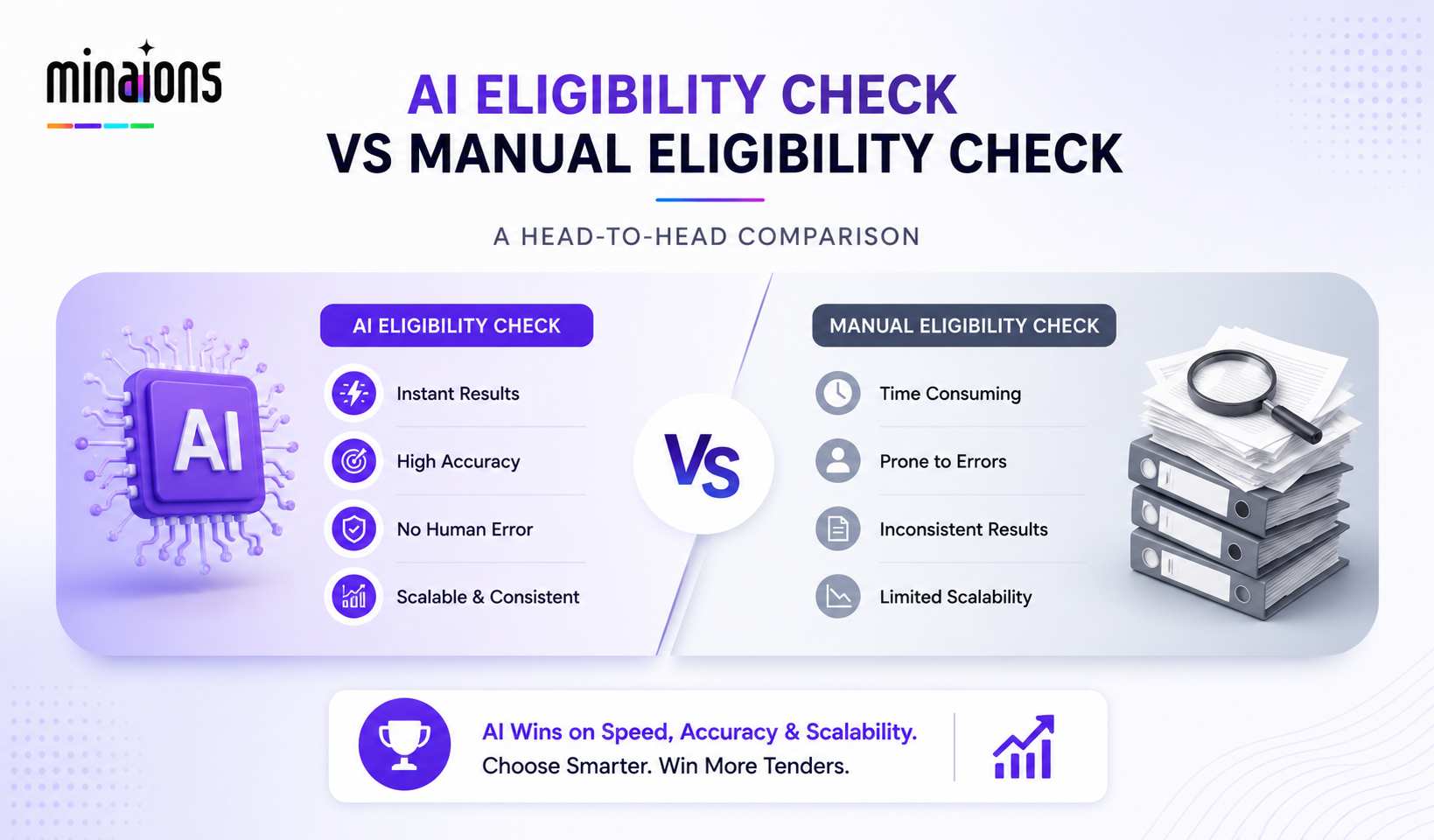
Public procurement teams face growing volumes of tender submissions, increasingly complex compliance requirements, and constrained resources.
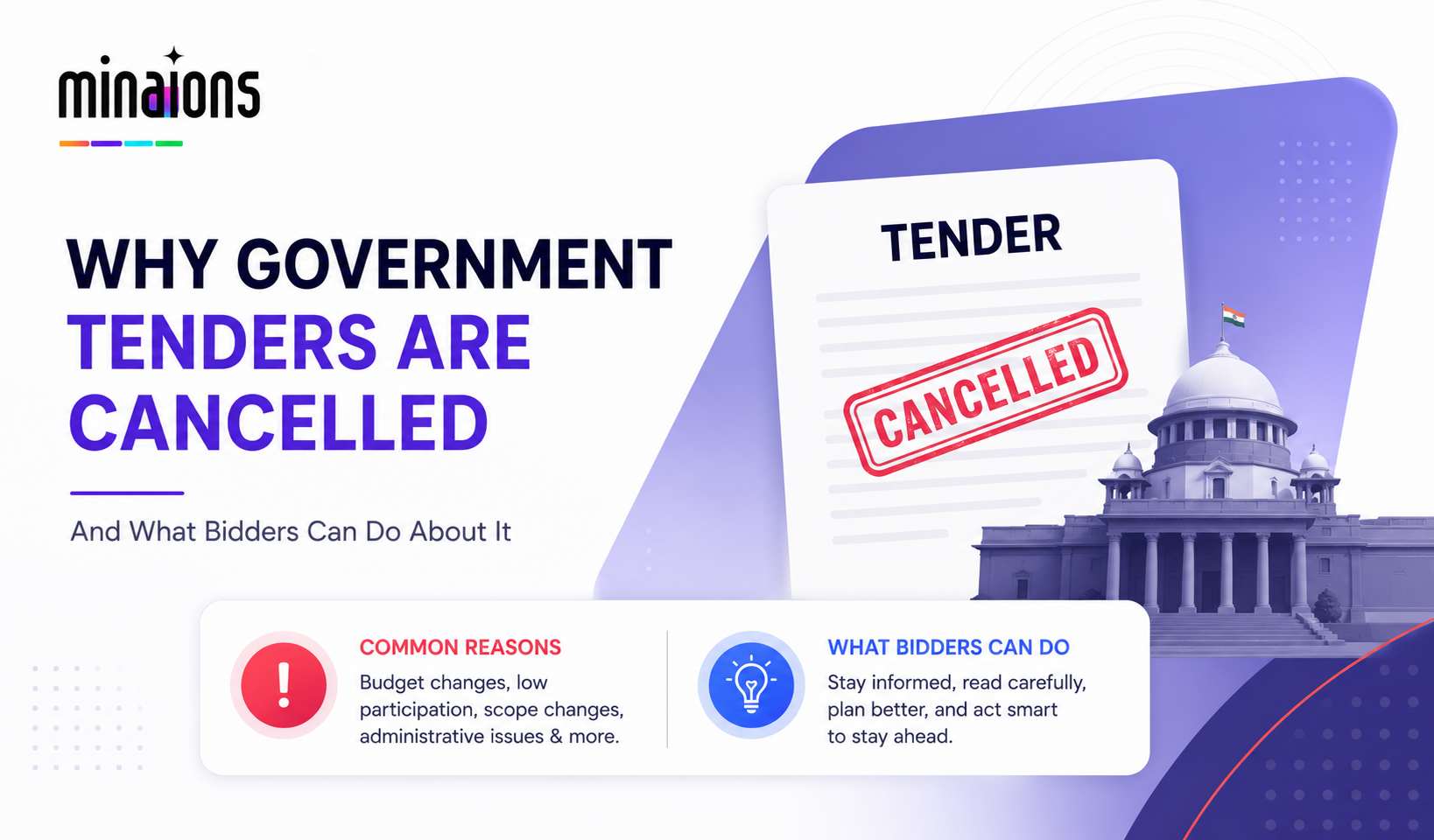
In an era where public procurement is increasingly governed by digital precision and regulatory rigour, the sudden cancellation of a government tender can unravel months of strategic planning, deplete critical...
In an era where public procurement is rapidly digitising and prioritising innovation, startups and MSMEs face a paradox: the very contracts that could fuel their growth demand proven track records they have yet to...
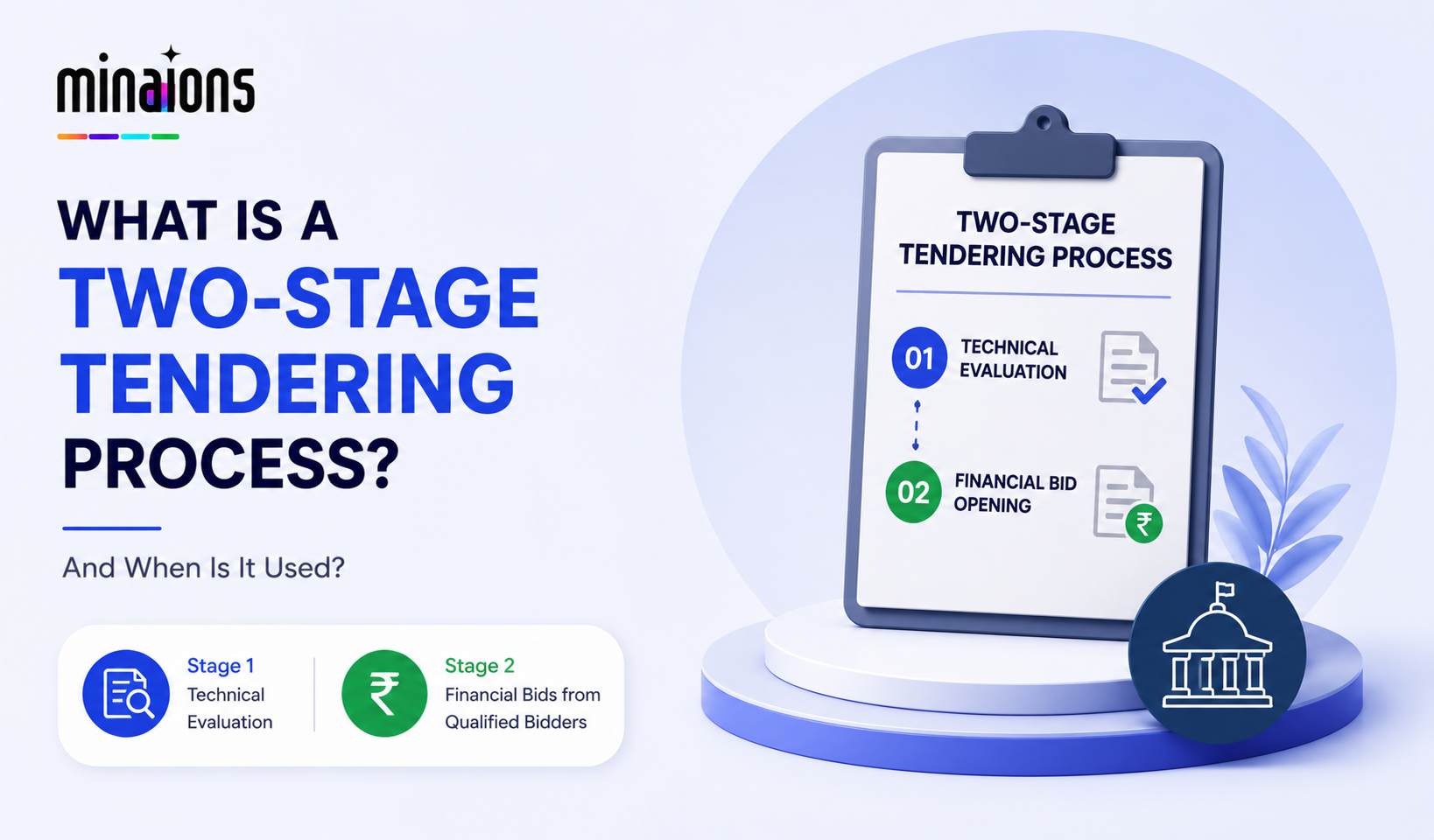
In an era where public funds demand maximum accountability and complex infrastructure projects face escalating risks, traditional procurement models are being tested like never before.
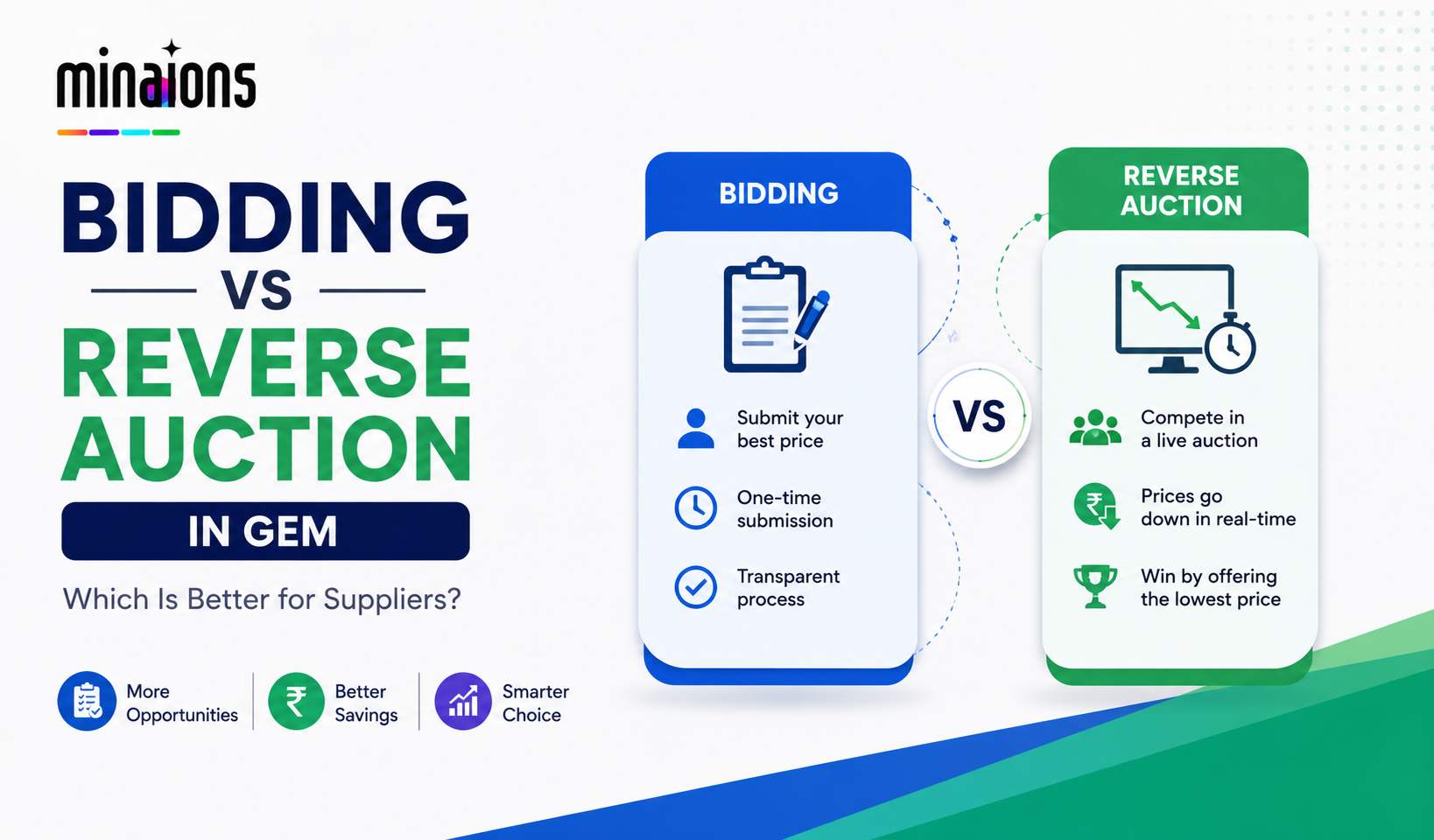
In the evolving landscape of Public Procurement, suppliers face a critical crossroads: navigate the static precision of traditional bidding or enter the dynamic, real-time pressure of reverse auctions on the Government...
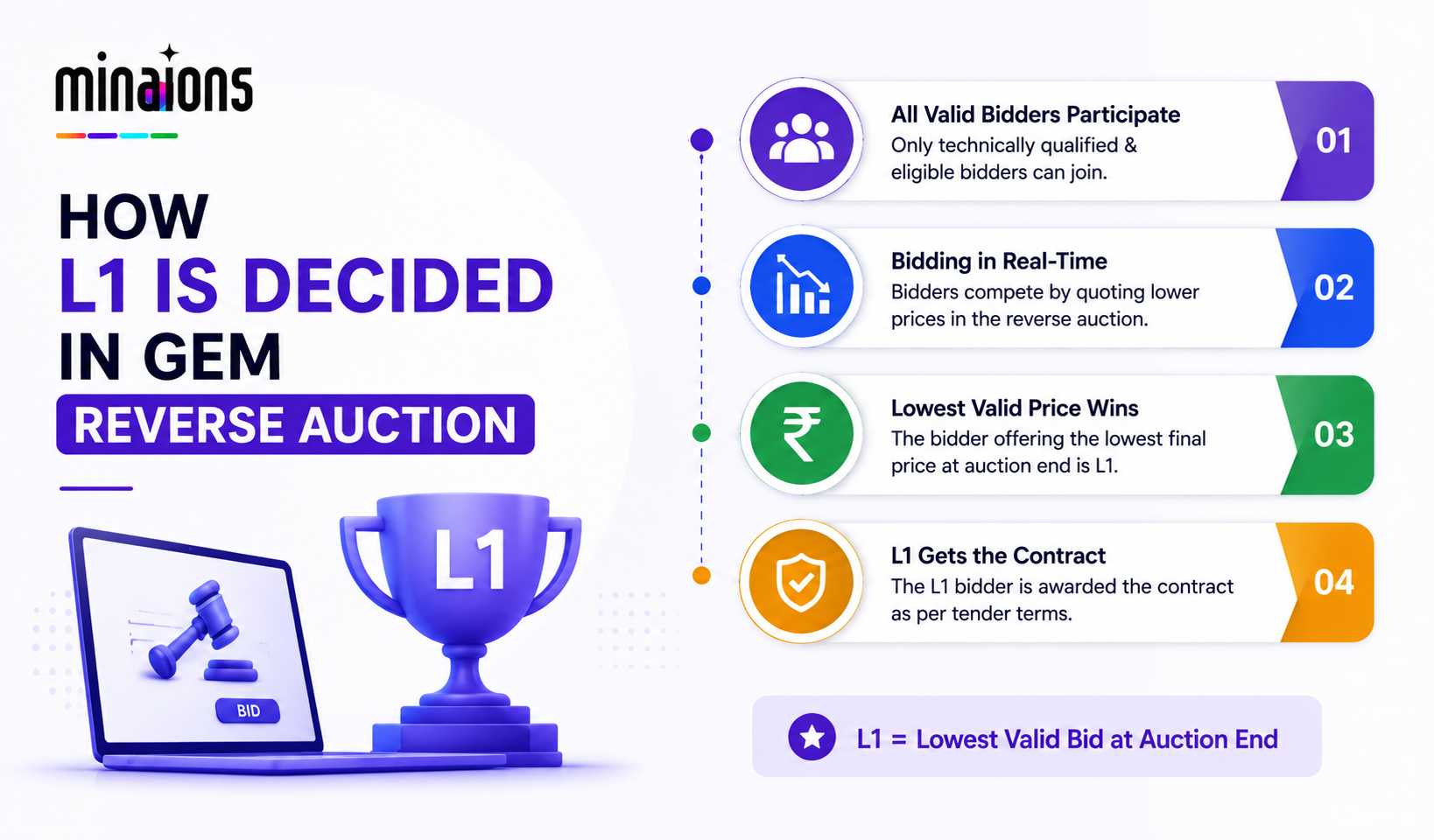
In an era where public procurement accounts for over ₹4 lakh crore in annual government spending, the precision of L1 determination in GeM reverse auctions is a critical factor in fiscal responsibility and competitive...
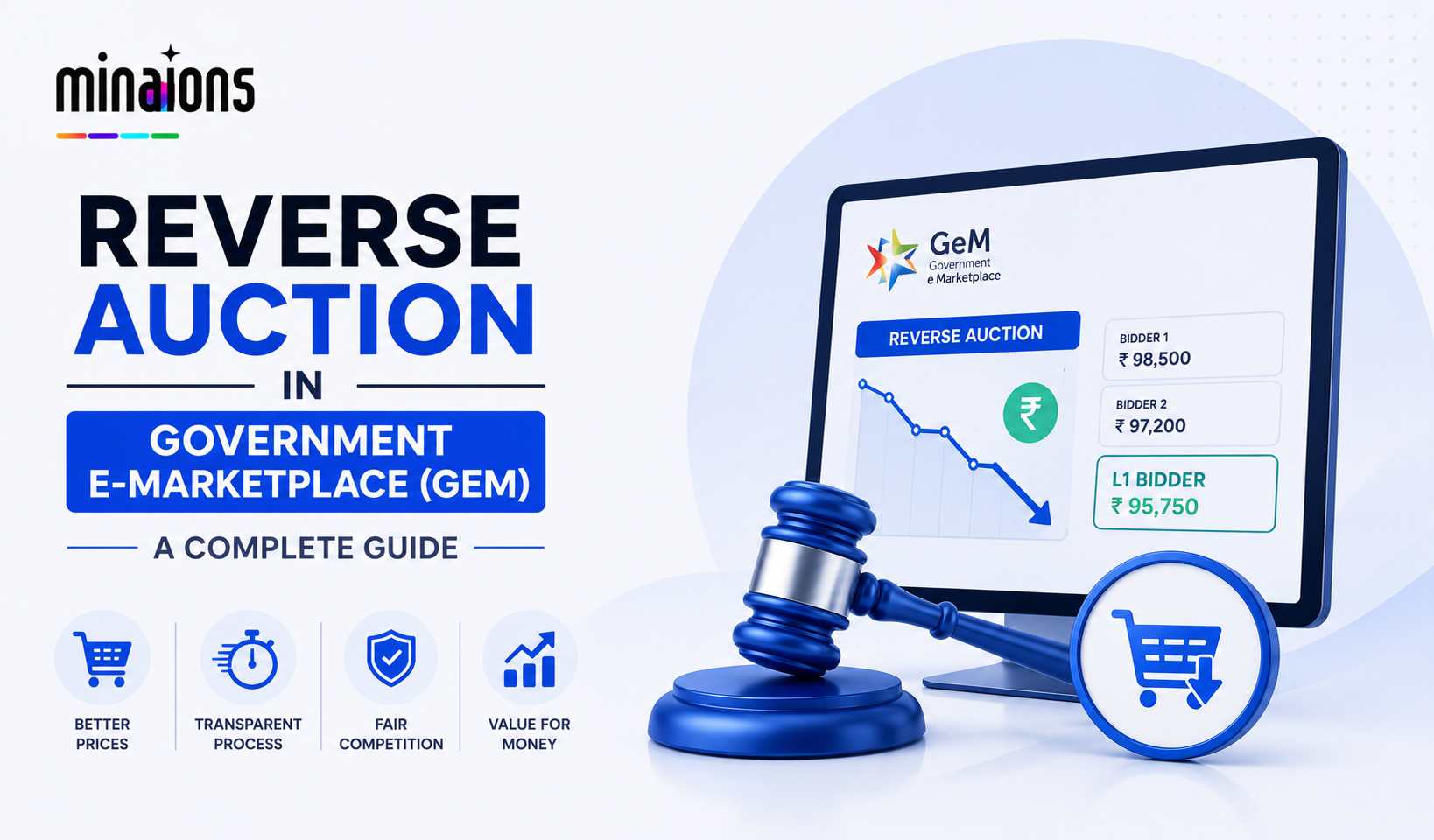
In an era where public funds demand maximum accountability and efficiency, the stakes in government tendering have never been higher. With over ₹16.41 lakh crore in Gross Merchandise Value processed through the...
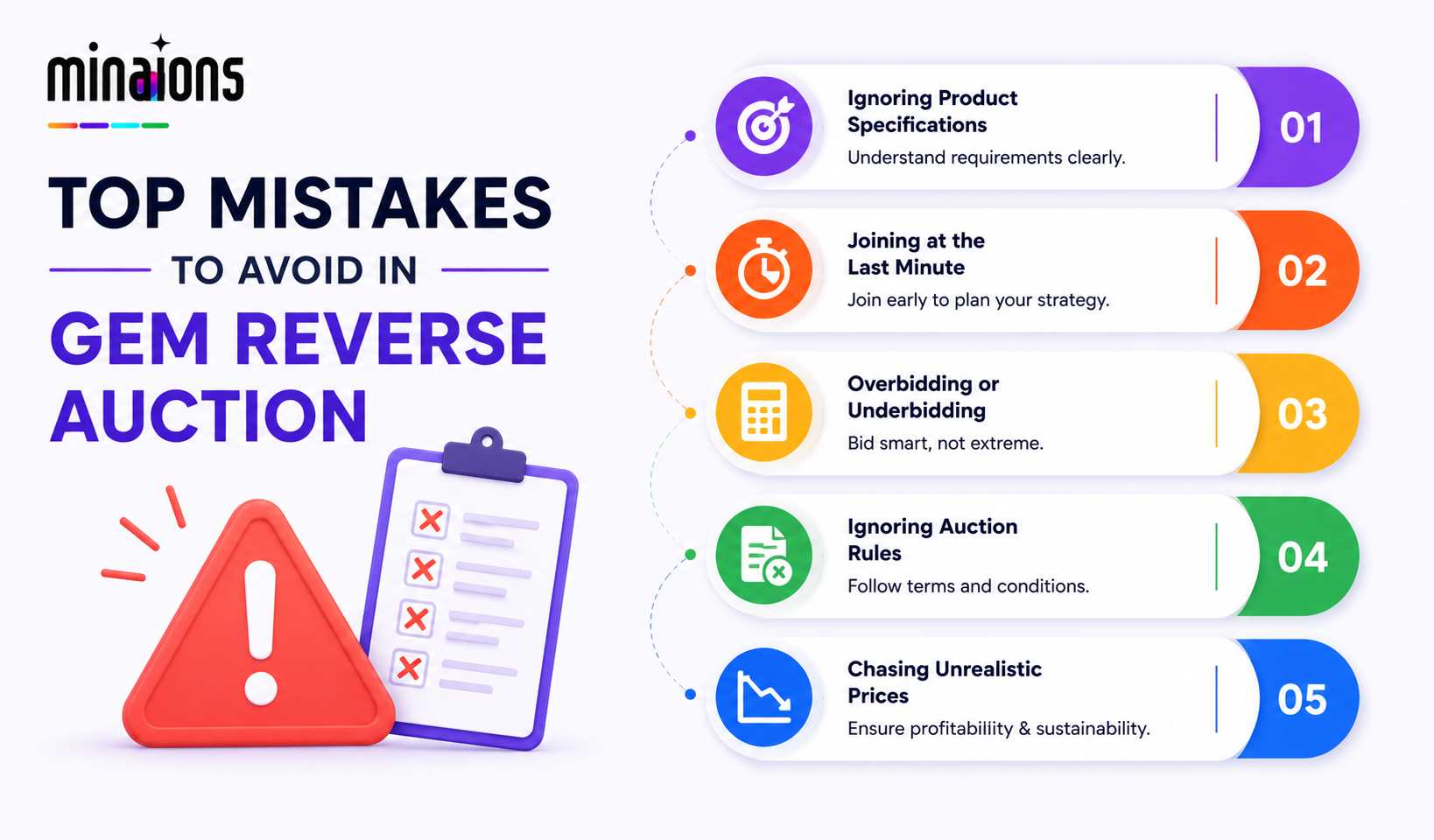
In the evolving landscape of public procurement, the Government e-Marketplace (GeM) has become a critical channel for government buyers to secure goods and services with transparency and efficiency.
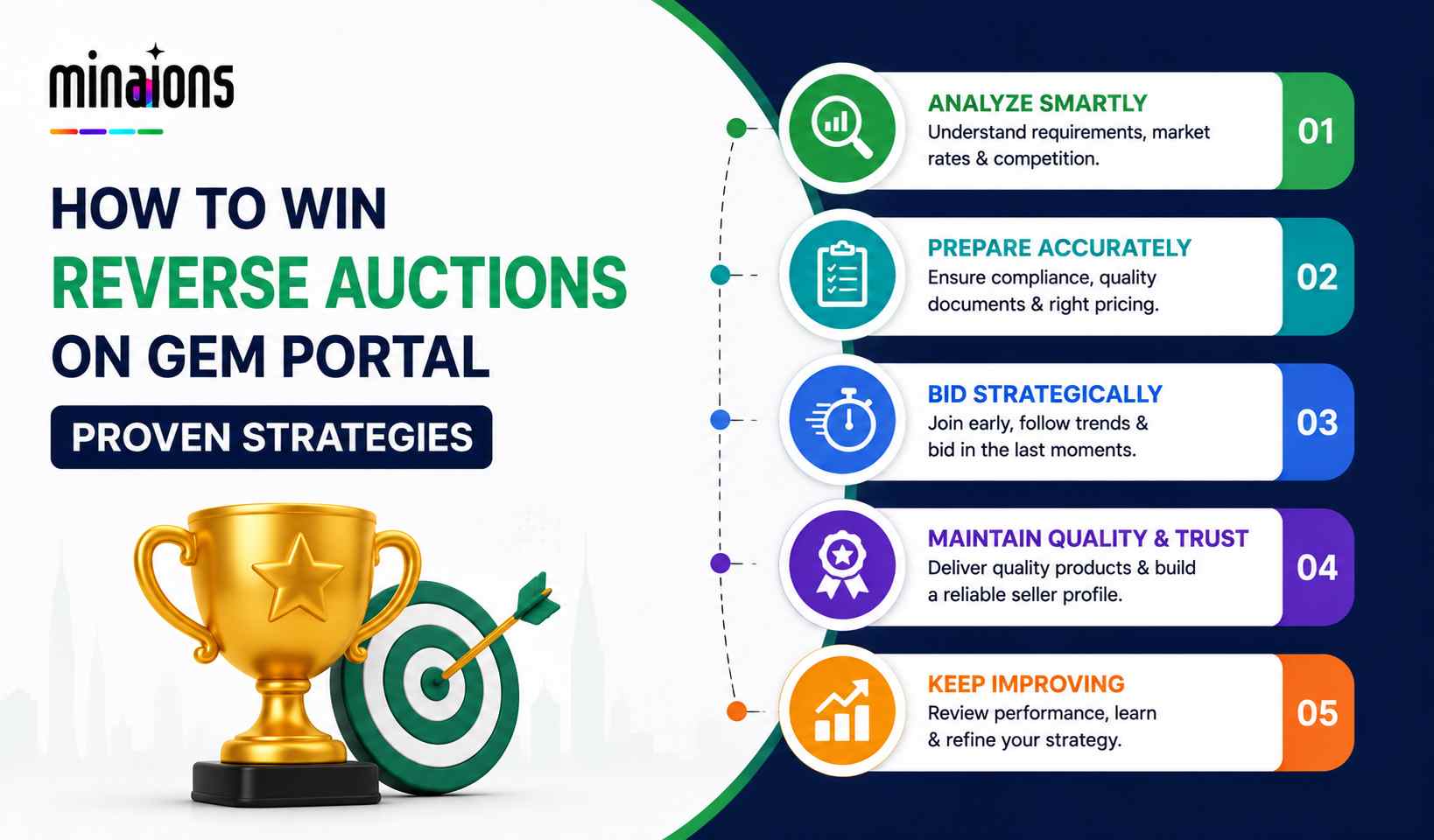
In an era where public procurement is rapidly transitioning from manual processes to algorithm-driven decision-making, businesses that rely on government contracts face an unprecedented challenge: winning reverse...
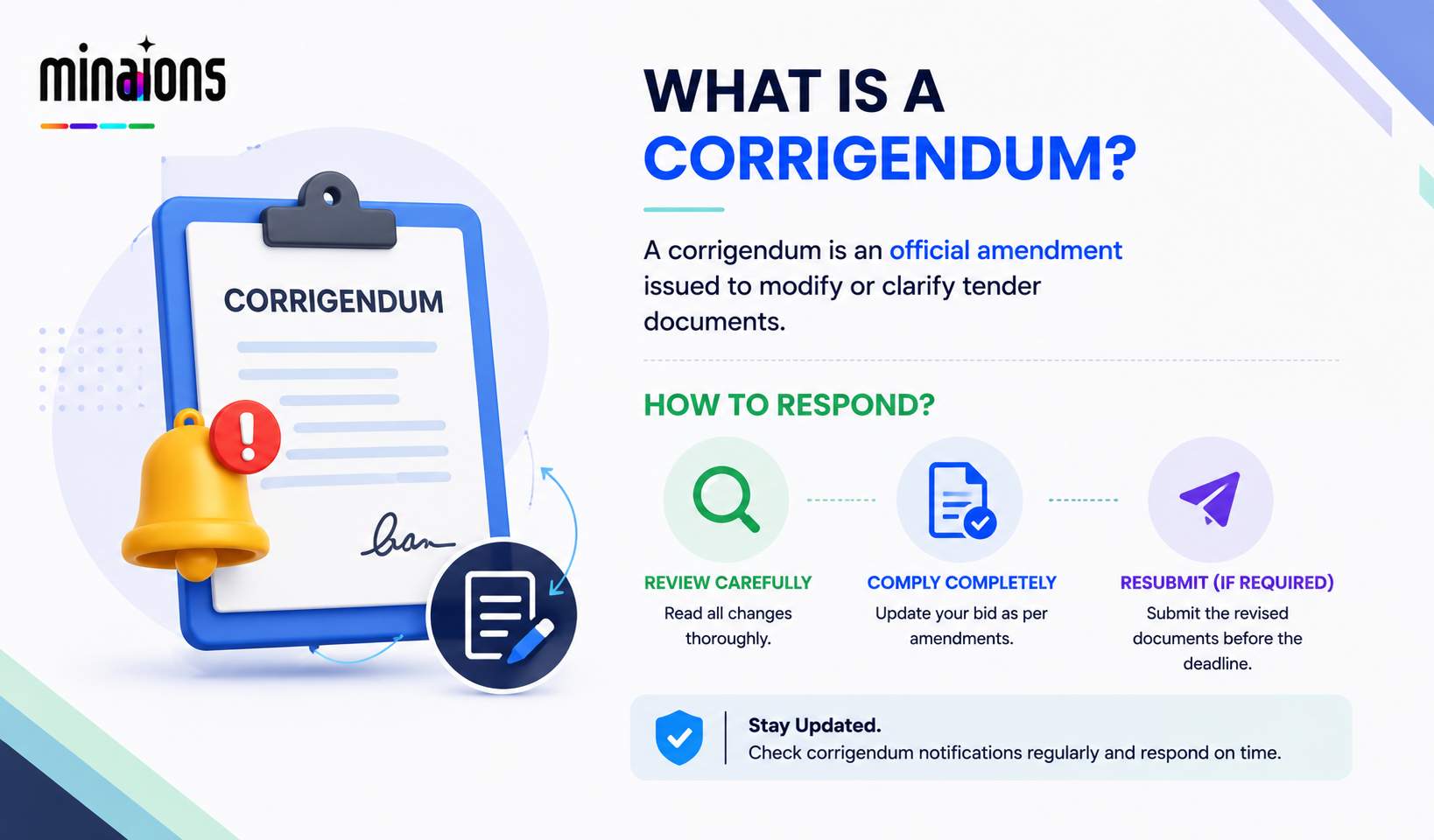
In the high-stakes world of public procurement, a single overlooked corrigendum can dismantle months of preparation, trigger bid disqualification, or forfeit a contract worth millions.