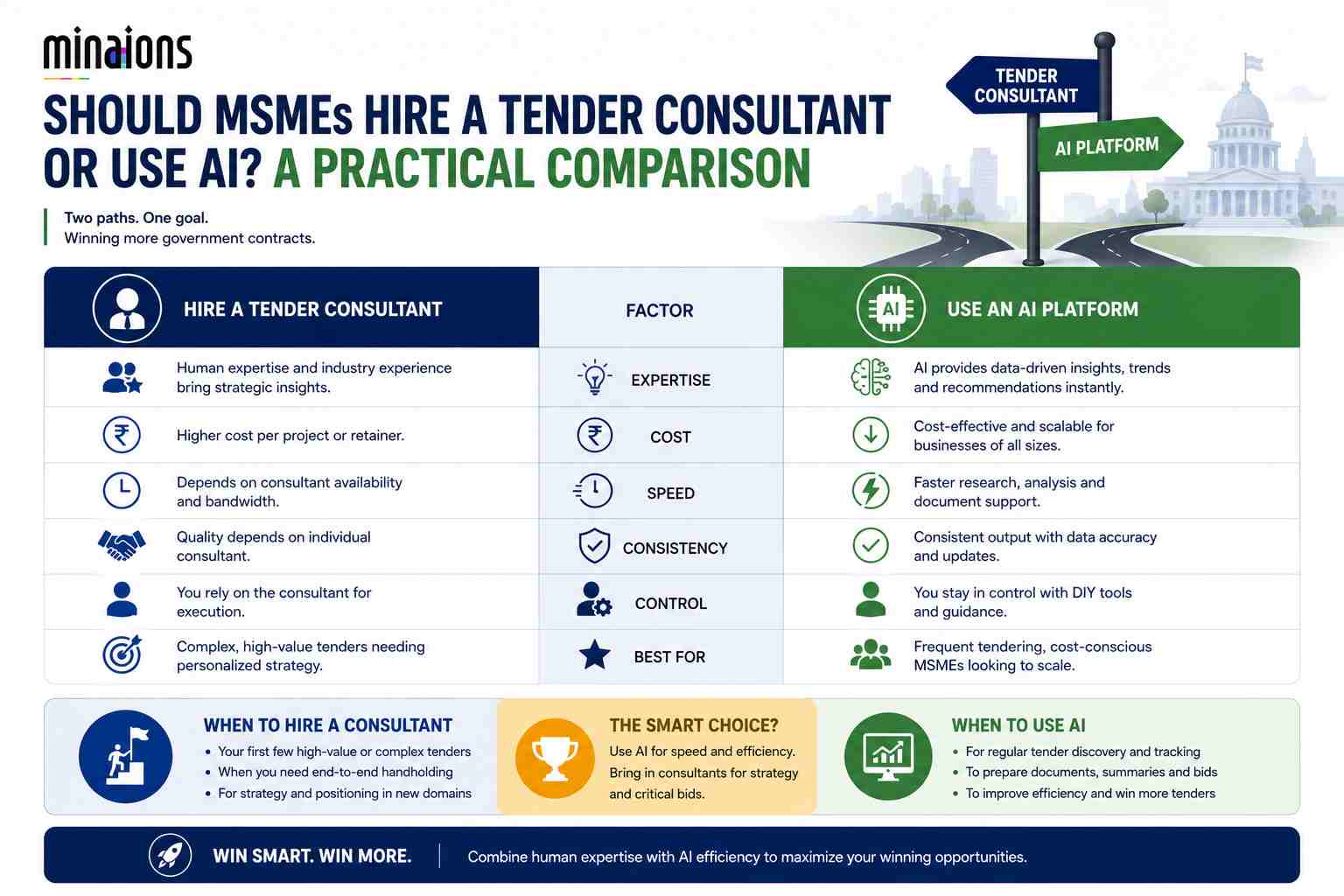
For micro, small, and medium-sized enterprises navigating public procurement, choosing between a tender consultant and AI-powered tools is a strategic decision, not a preference.
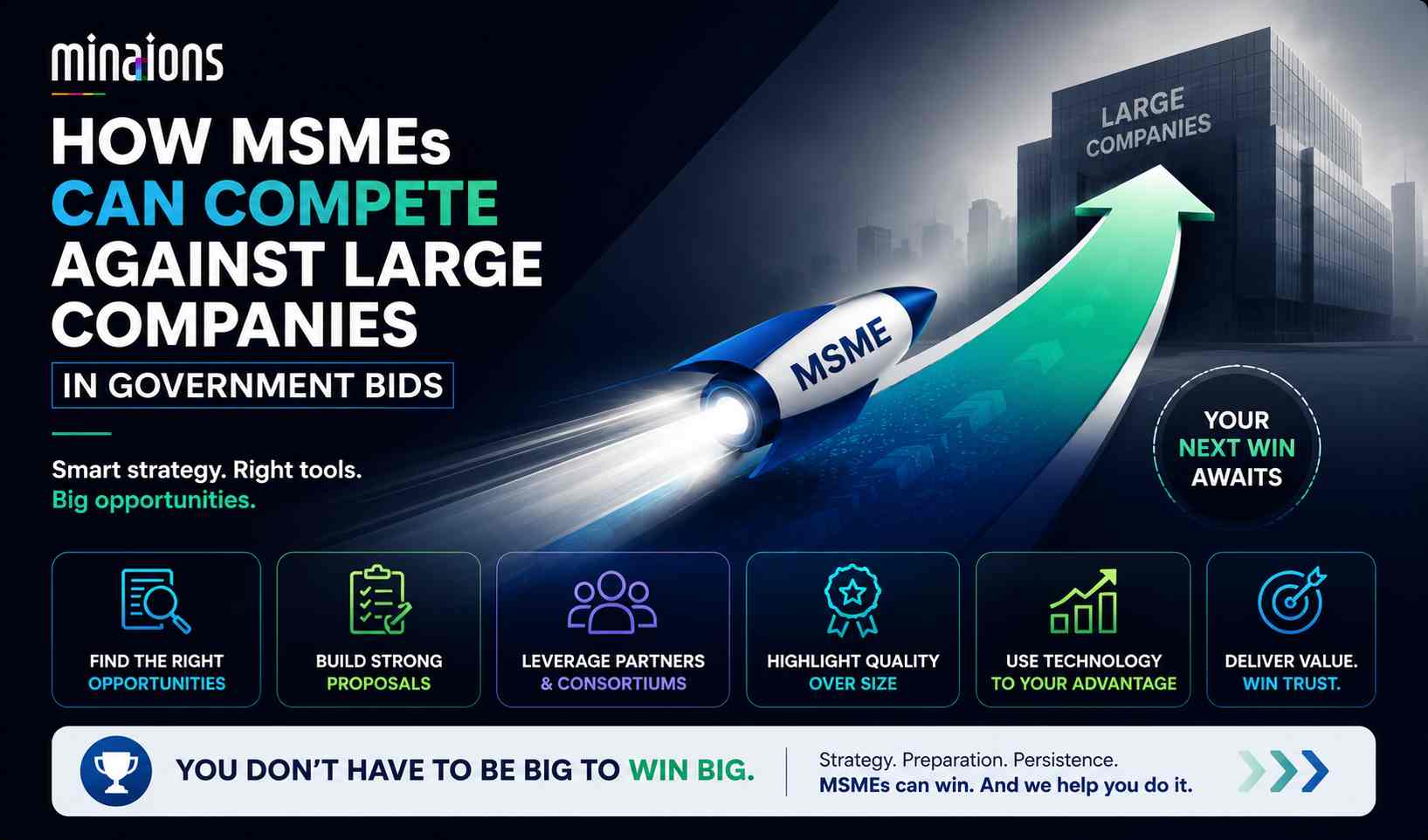
The public procurement landscape is no longer dominated by scale, it is shaped by strategy, speed, and intelligent technology.
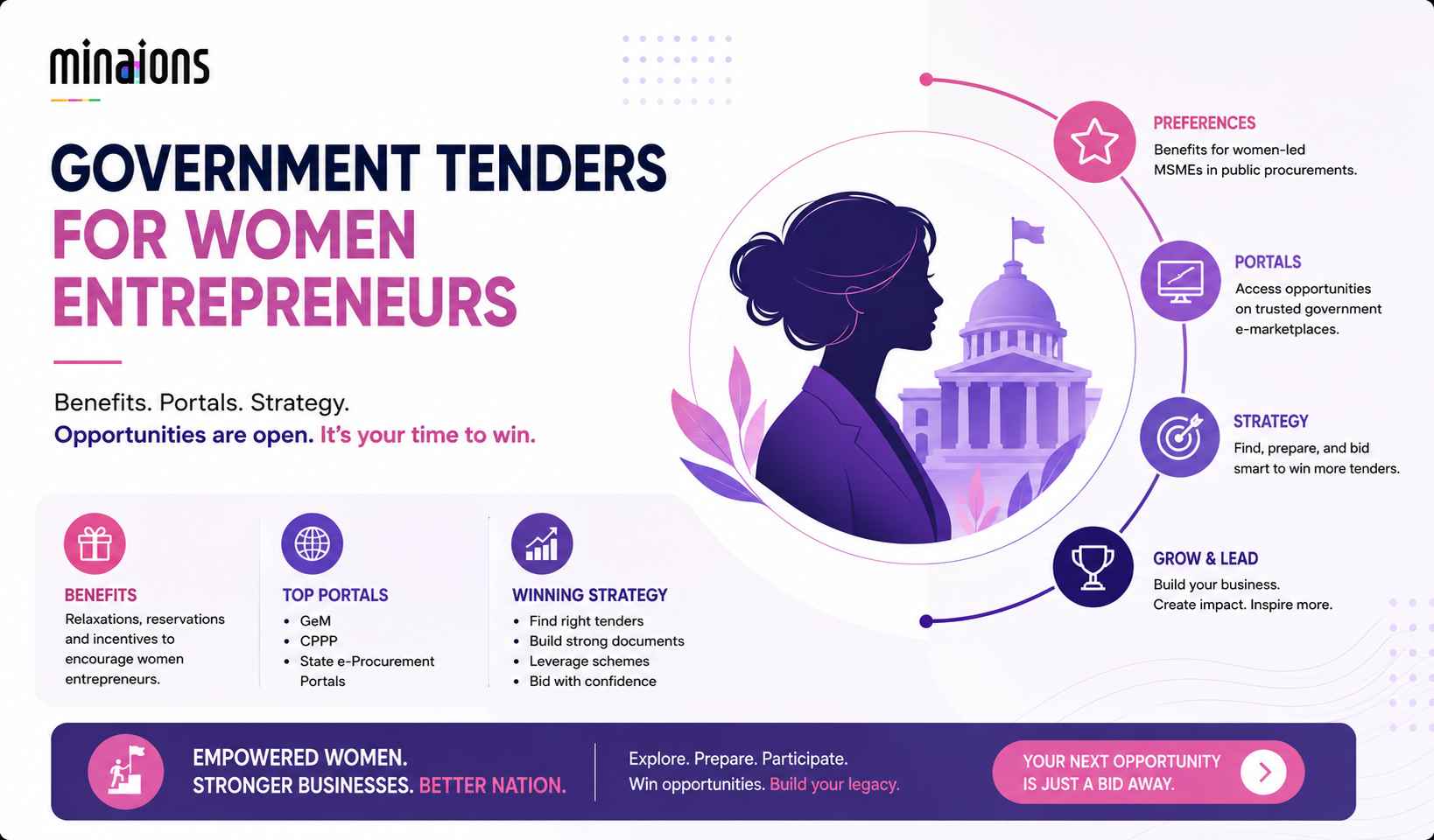
Public procurement represents one of the largest and most underutilised economic engines for women-owned businesses.
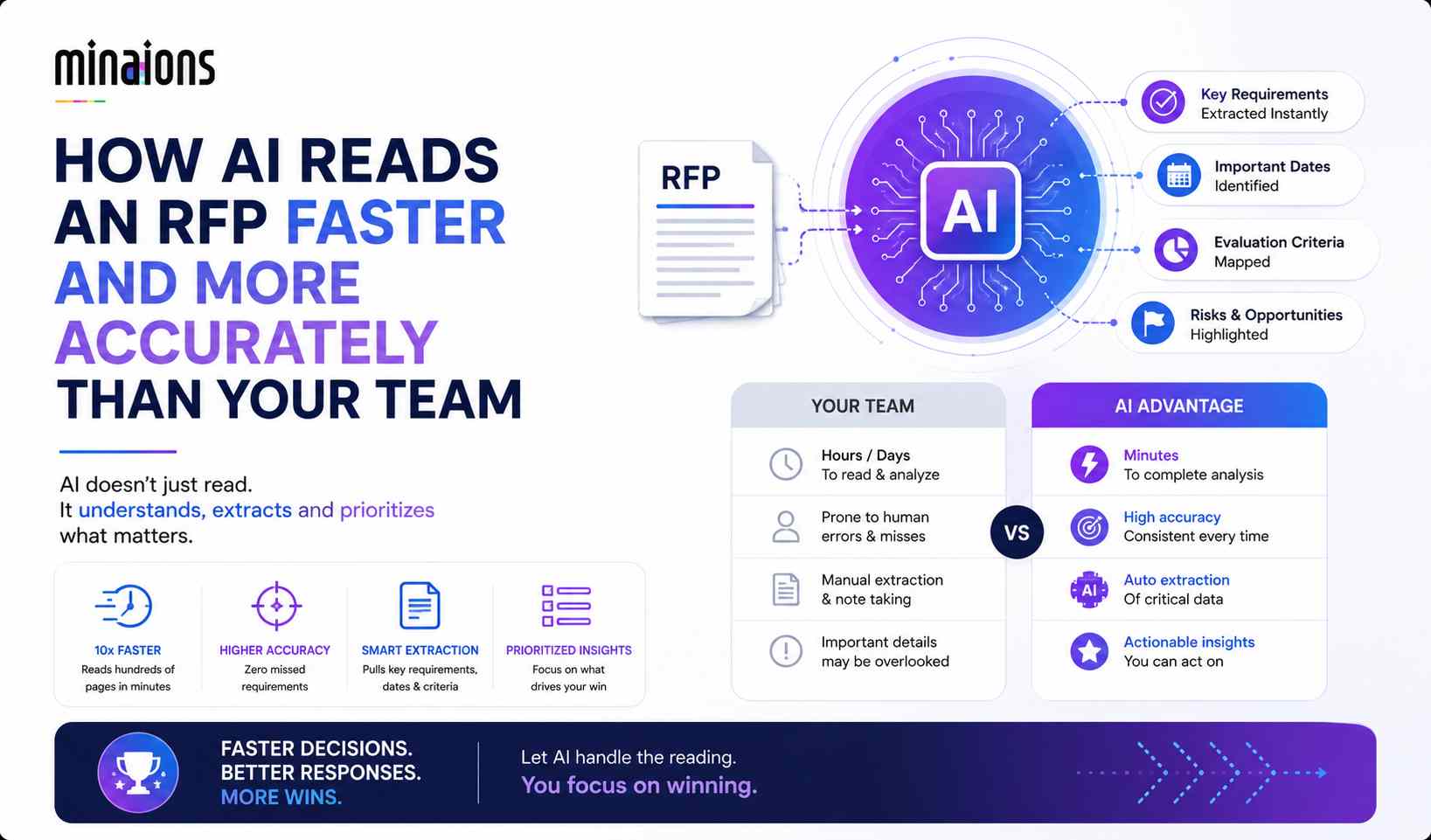
In public procurement, the difference between a winning bid and a disqualified submission often hinges on a single overlooked clause, a missed deadline, or a misaligned compliance requirement.
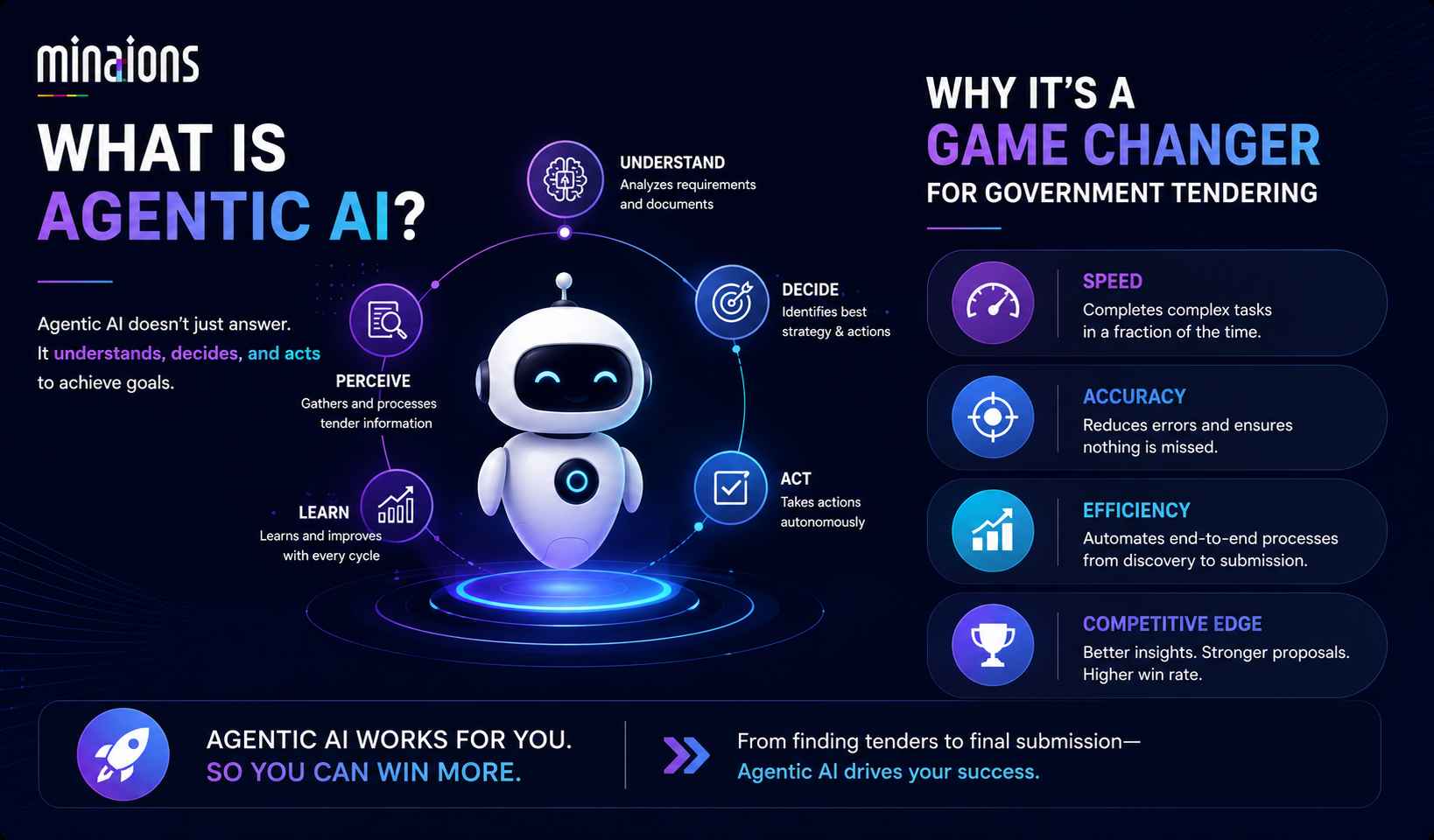
Government tendering faces mounting pressure to deliver value, ensure compliance, and accelerate timelines amid tightening budgets and heightened scrutiny.
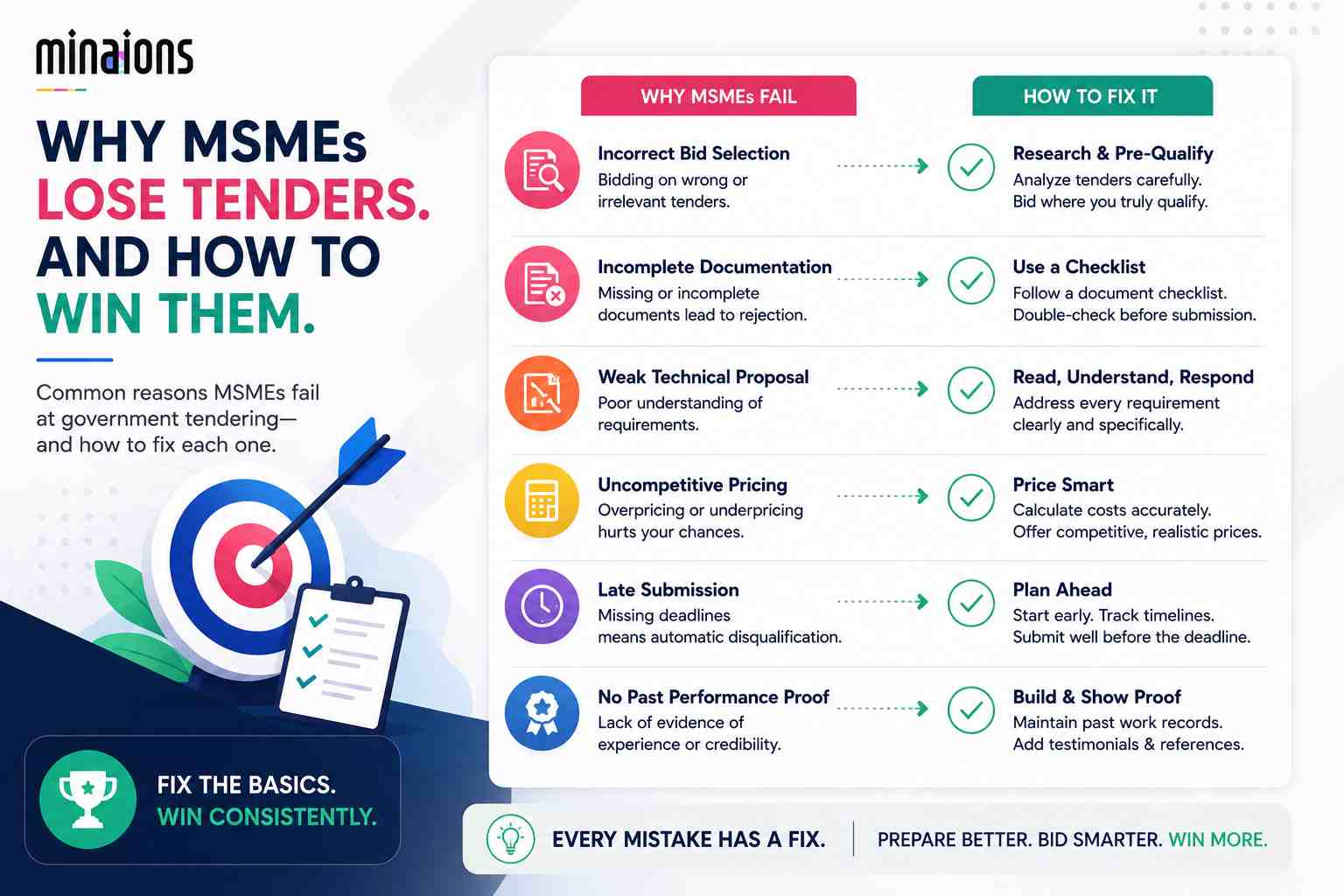
Public procurement has become a critical pathway for MSMEs to access stable, long-term revenue.
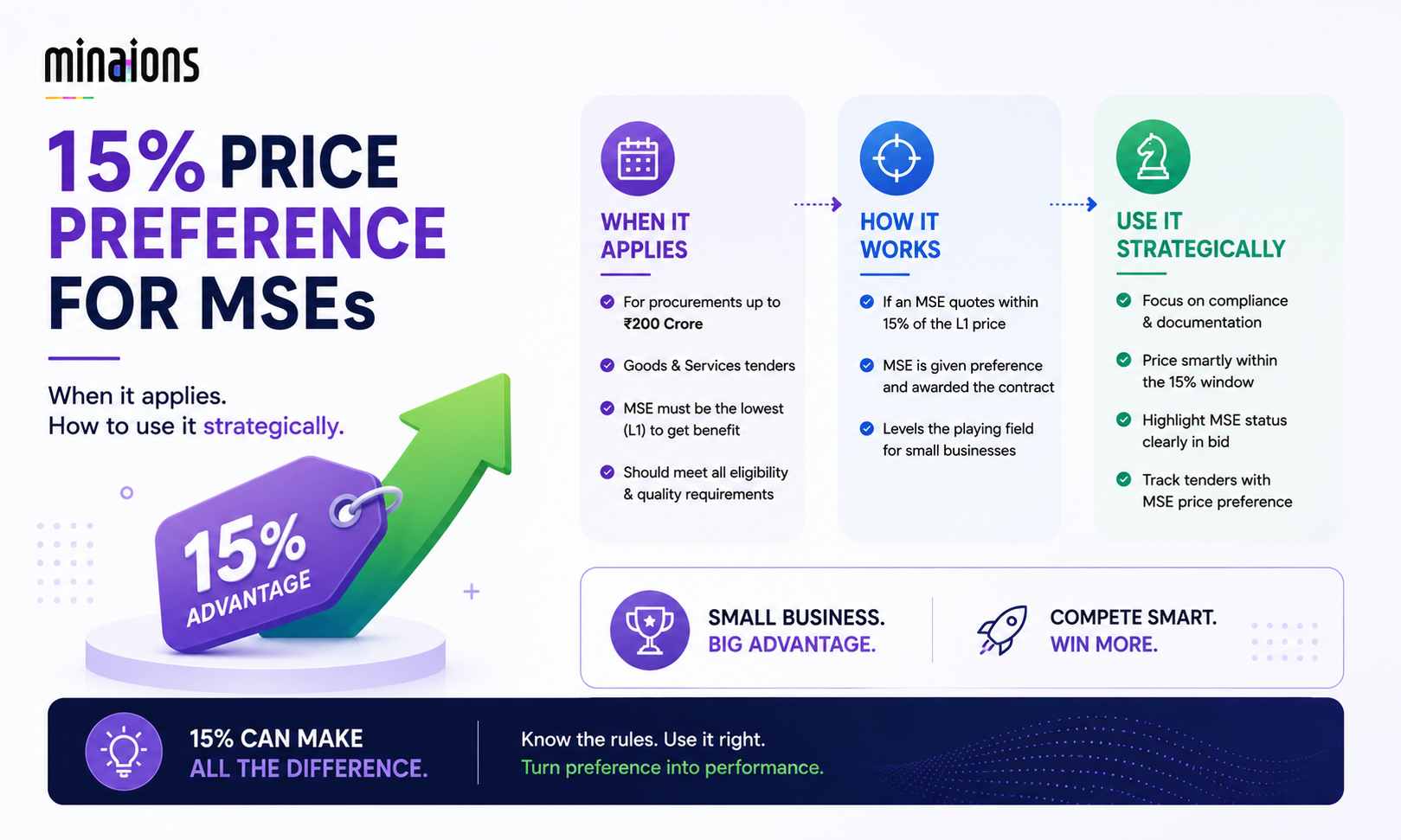
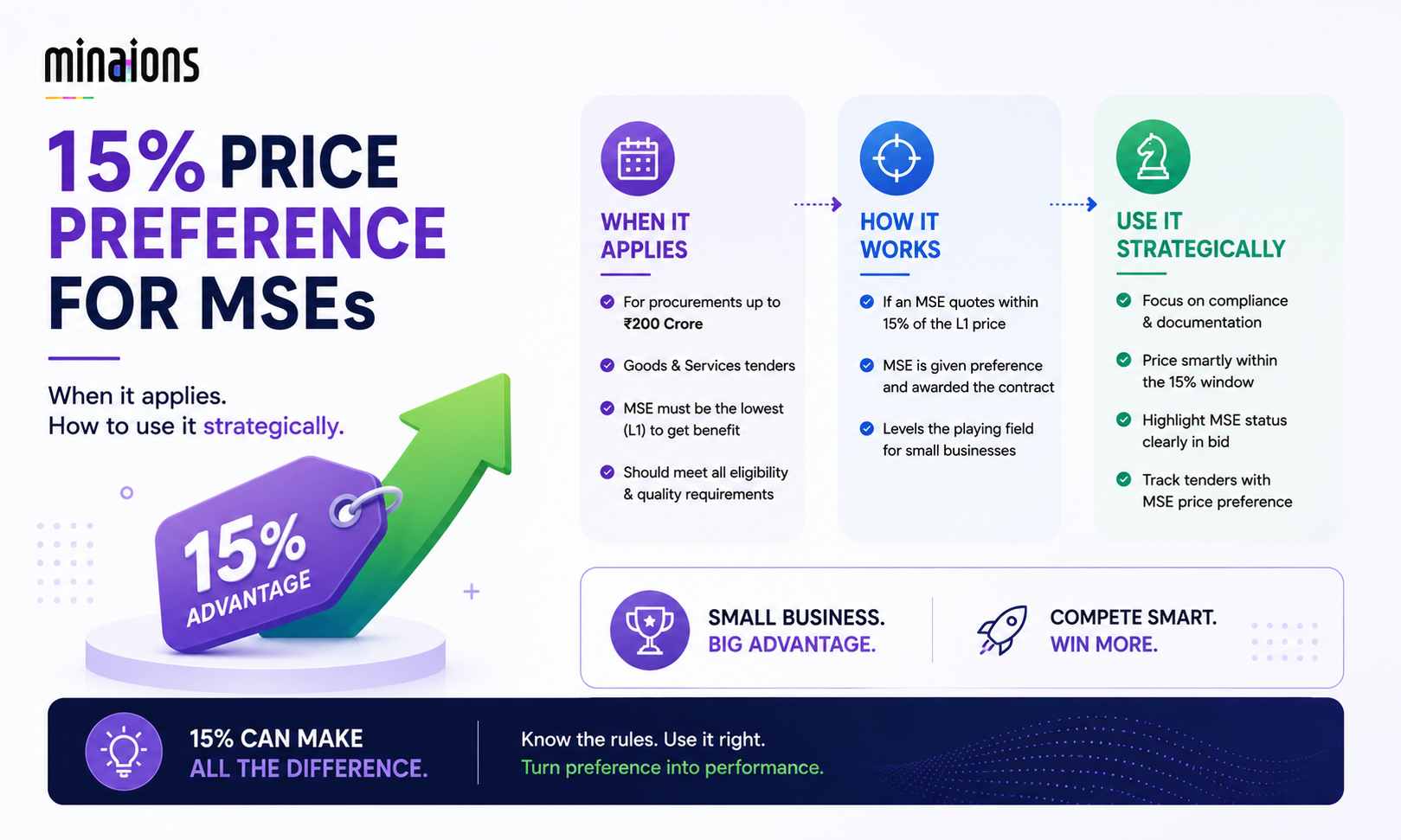
In an era where public procurement budgets are under intensified scrutiny, the 15% Price Preference for Micro and Small Enterprises (MSEs) has emerged as one of the most consequential levers for equitable market access.
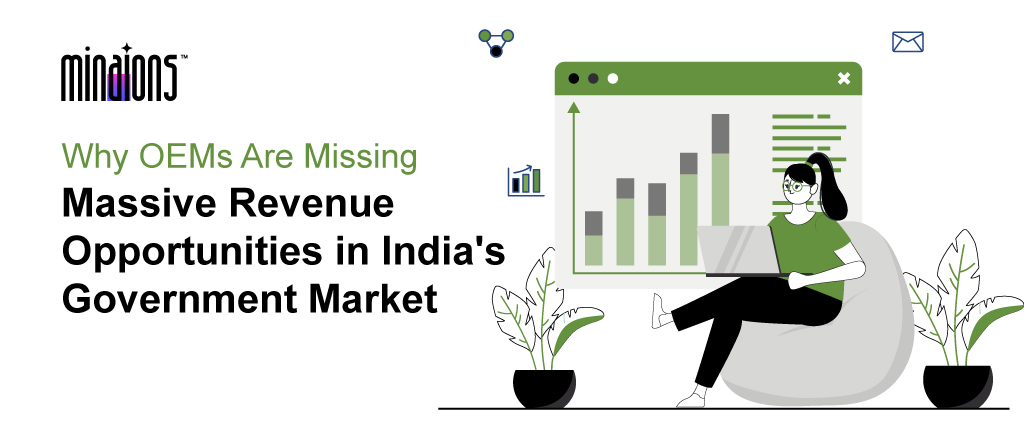
OEMs lose revenue due to a lack of tender visibility data.
Across public procurement systems, a quiet revolution is reshaping how government spending flows to small businesses.
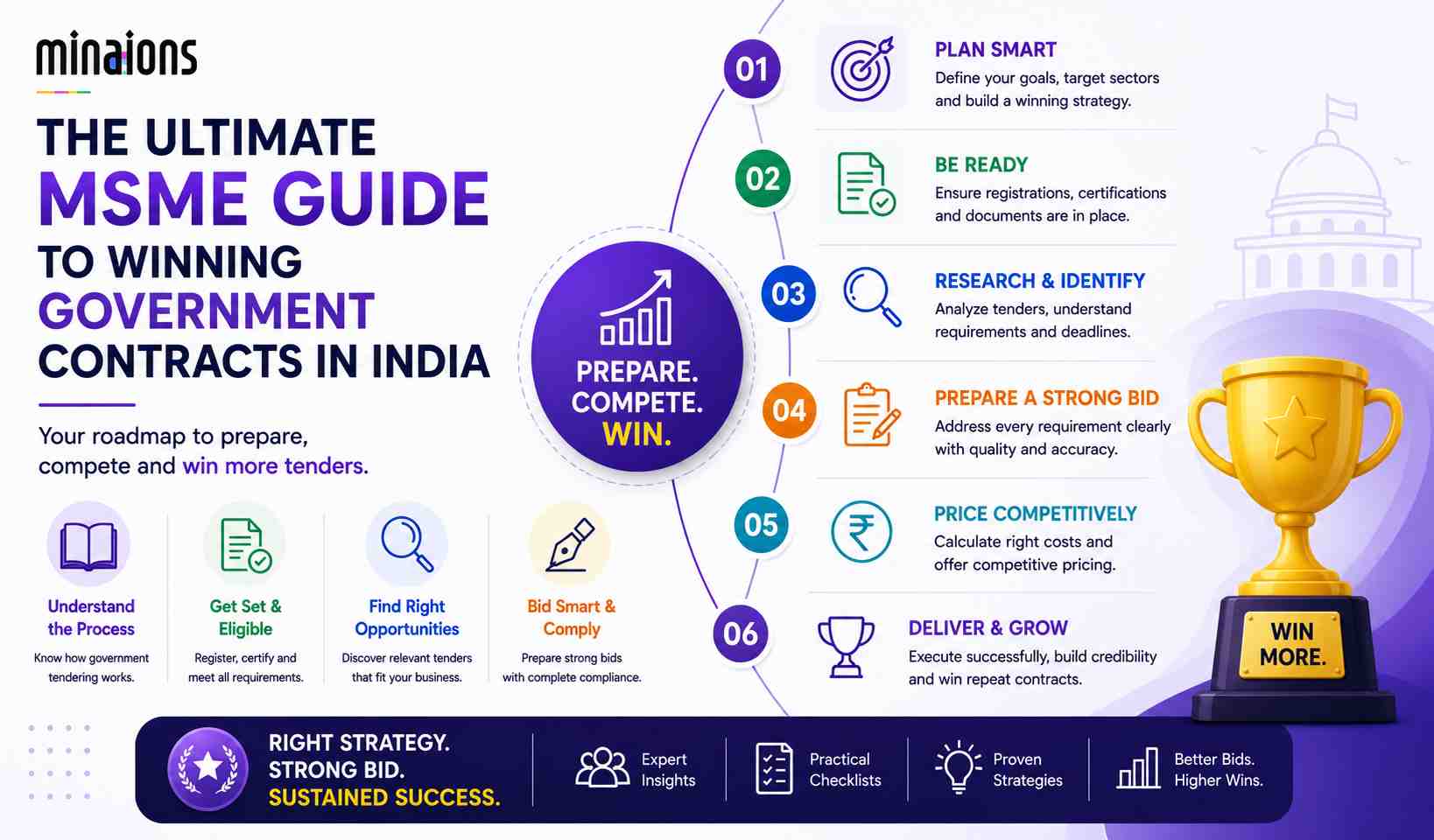
For Micro and Small Enterprises in India, the public procurement landscape is no longer a labyrinth of bureaucratic delay, it is a high-stakes opportunity zone.
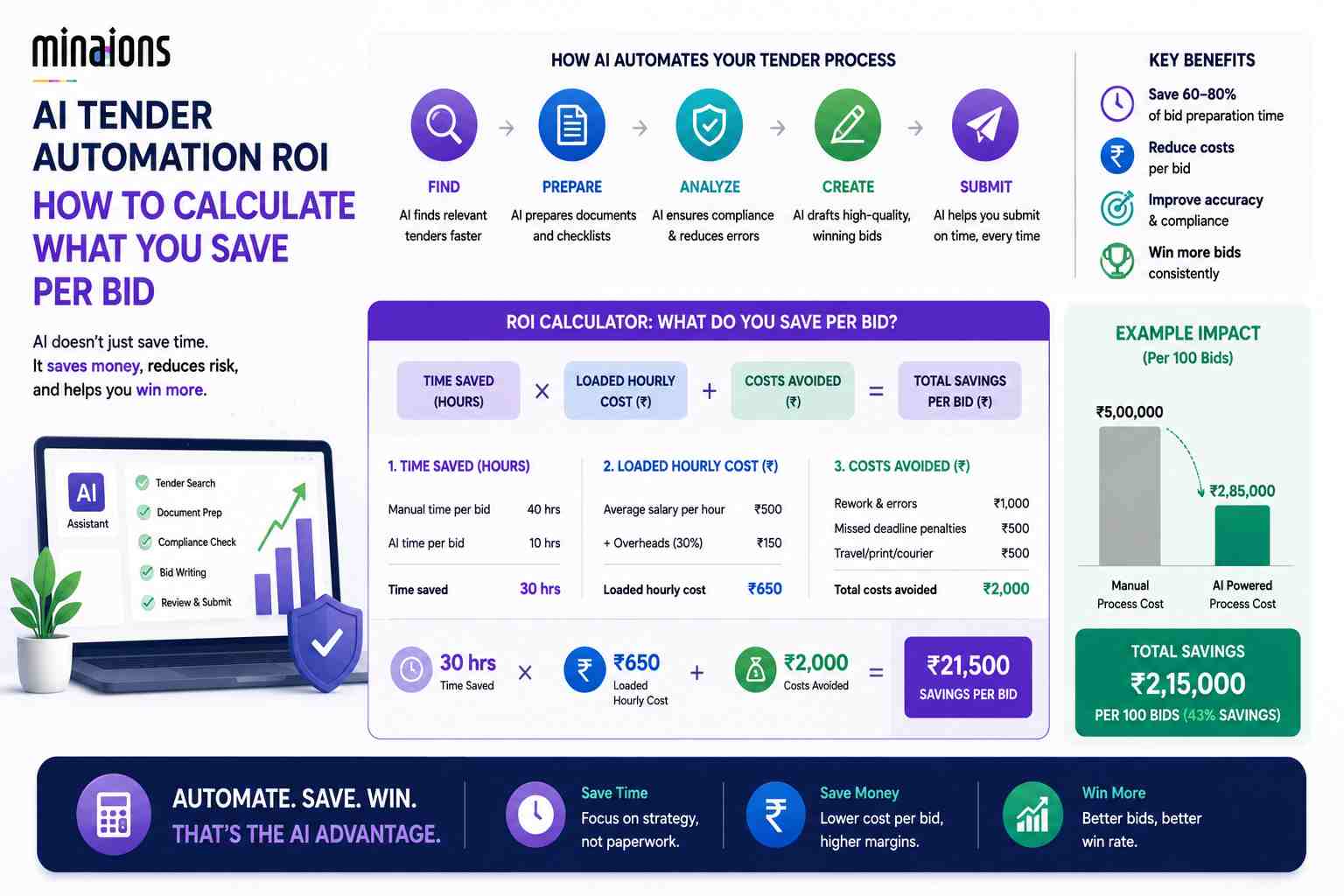
Public procurement teams across government agencies face mounting volumes of complex tenders, each requiring strict compliance, exhaustive documentation, and precise execution.
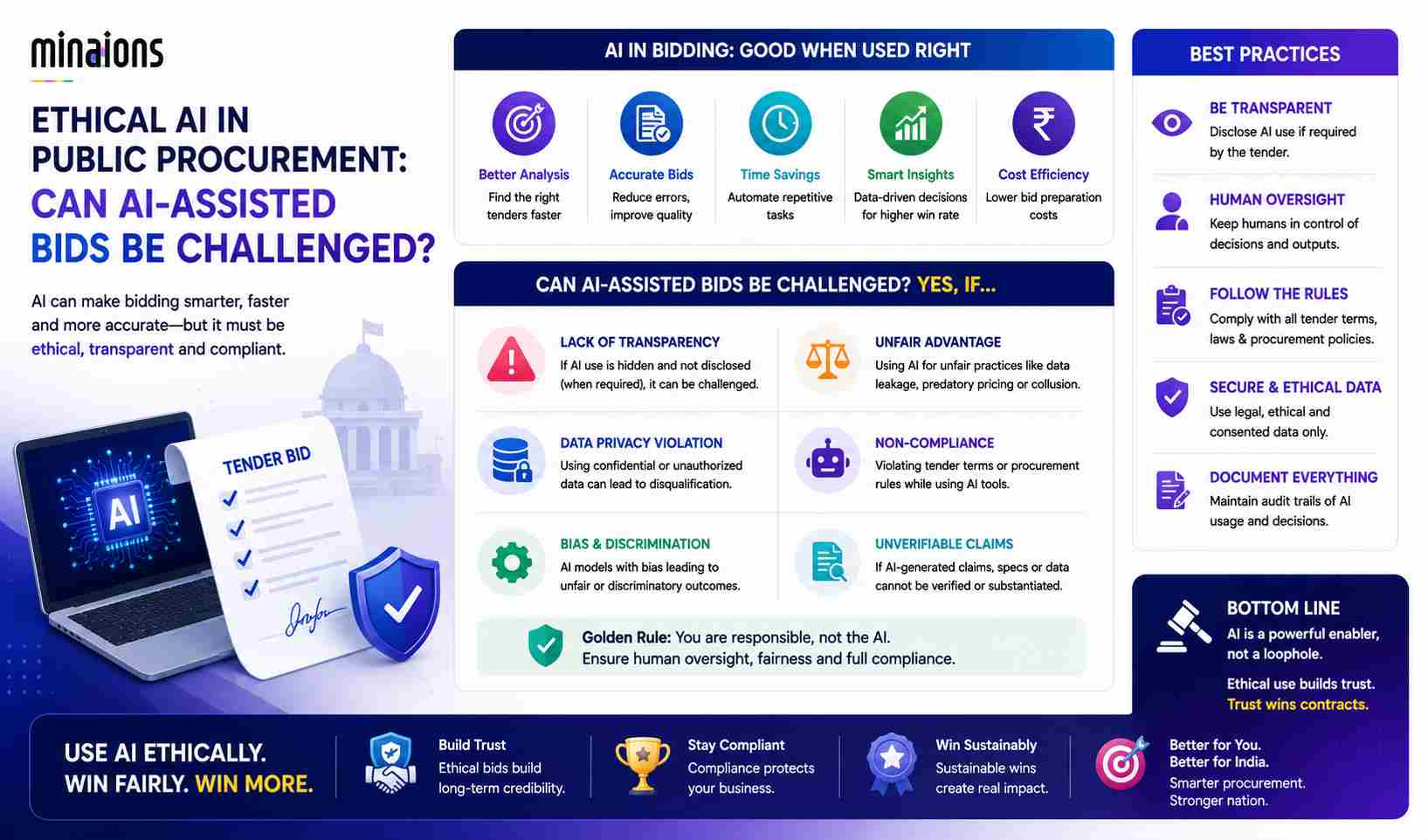
As public procurement systems increasingly rely on AI to evaluate bids, manage contracts, and detect anomalies, a quiet but profound crisis of trust is emerging.