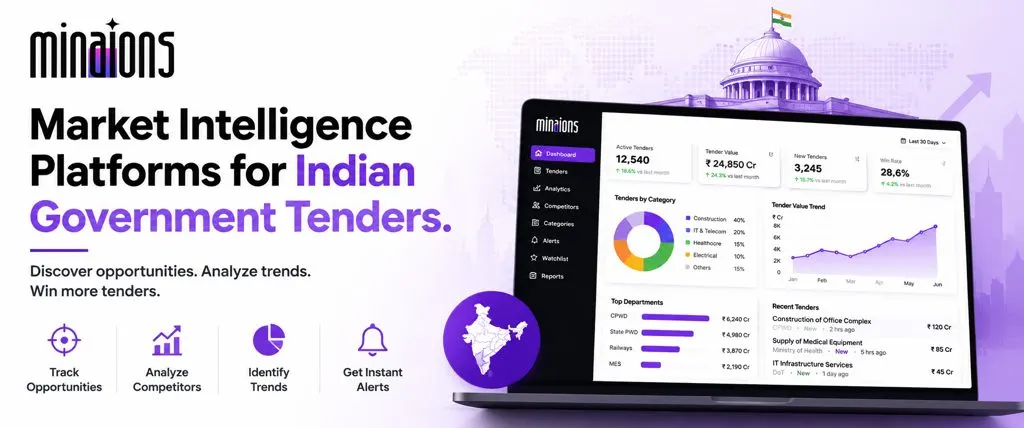
Discover how AI-powered market intelligence platforms streamline tender registration, procurement compliance, and government bidding success.
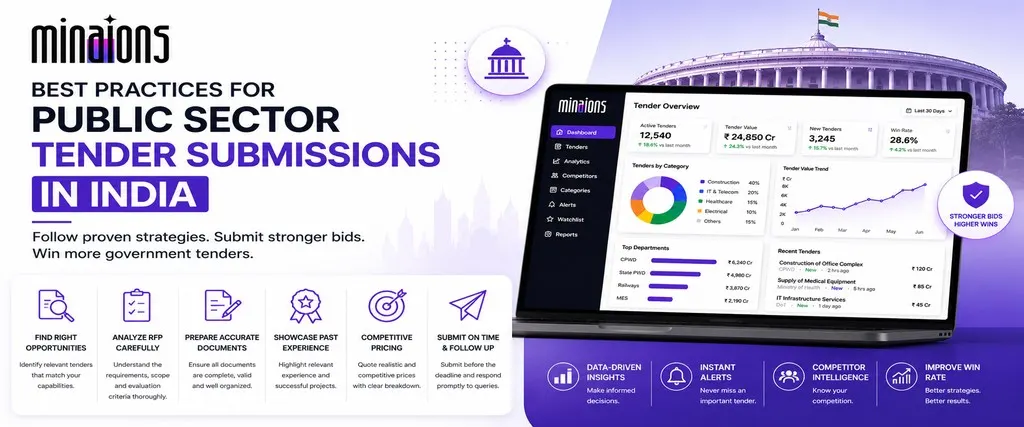
The Indian public procurement landscape is undergoing significant transformation.

The stakes in Indian government tendering have never been higher. Public procurement spending exceeds ₹50 lakh crore annually, with digital platforms like GeM and CPPP now mandating electronic submissions.
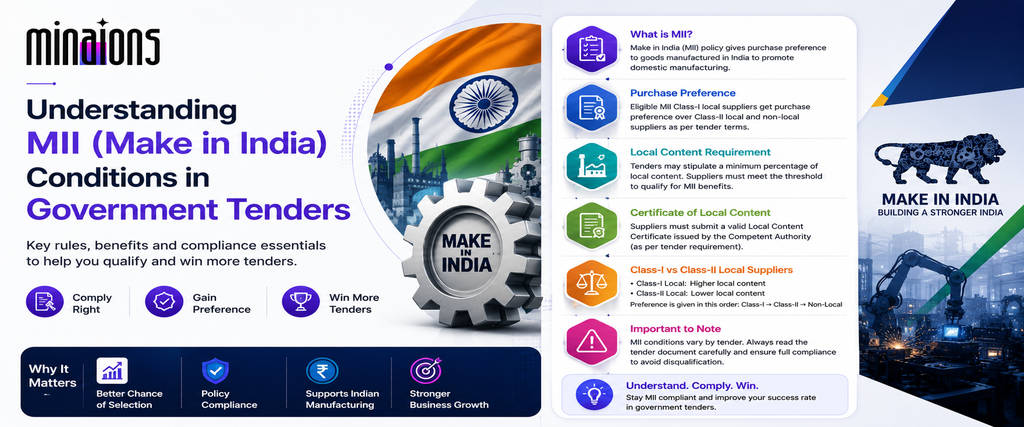
In the high-stakes arena of government tendering, a single misstep in declaring local content can mean the difference between winning a multi-million-pound contract and facing a two-year debarment.
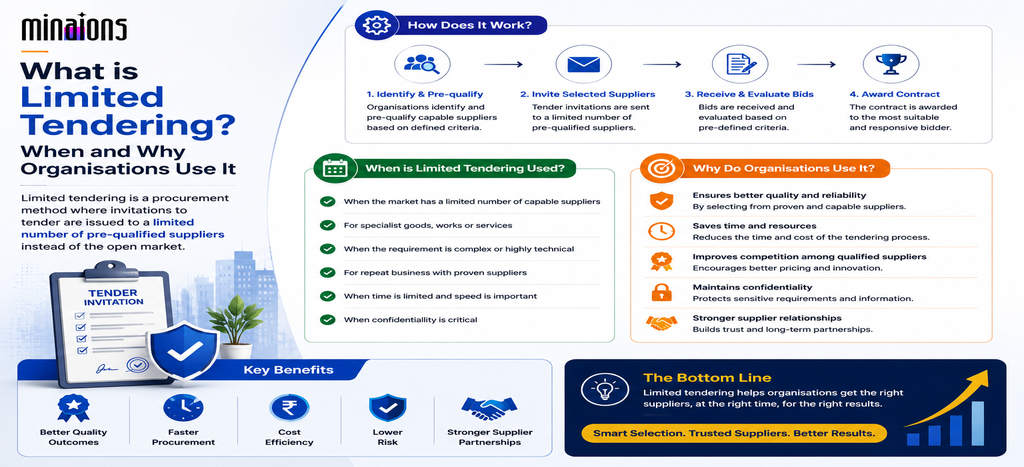
In an era where public sector budgets are stretched thin and procurement workloads are projected to rise by 10% in 2025, organisations must balance speed, compliance, and value.
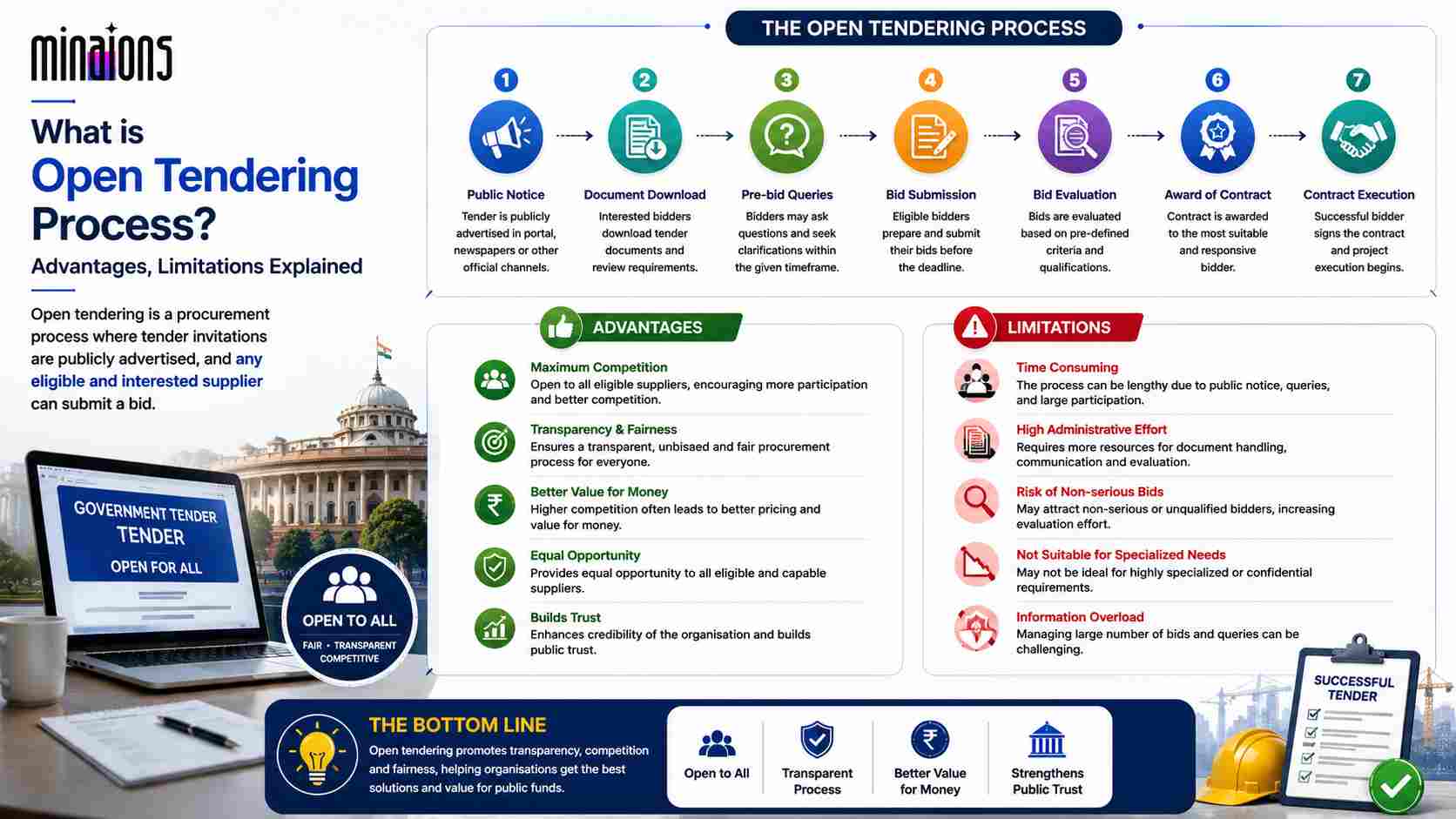
In an era where public trust hinges on the integrity of every pound spent, government agencies face mounting pressure to balance transparency, efficiency, and compliance in their procurement processes.
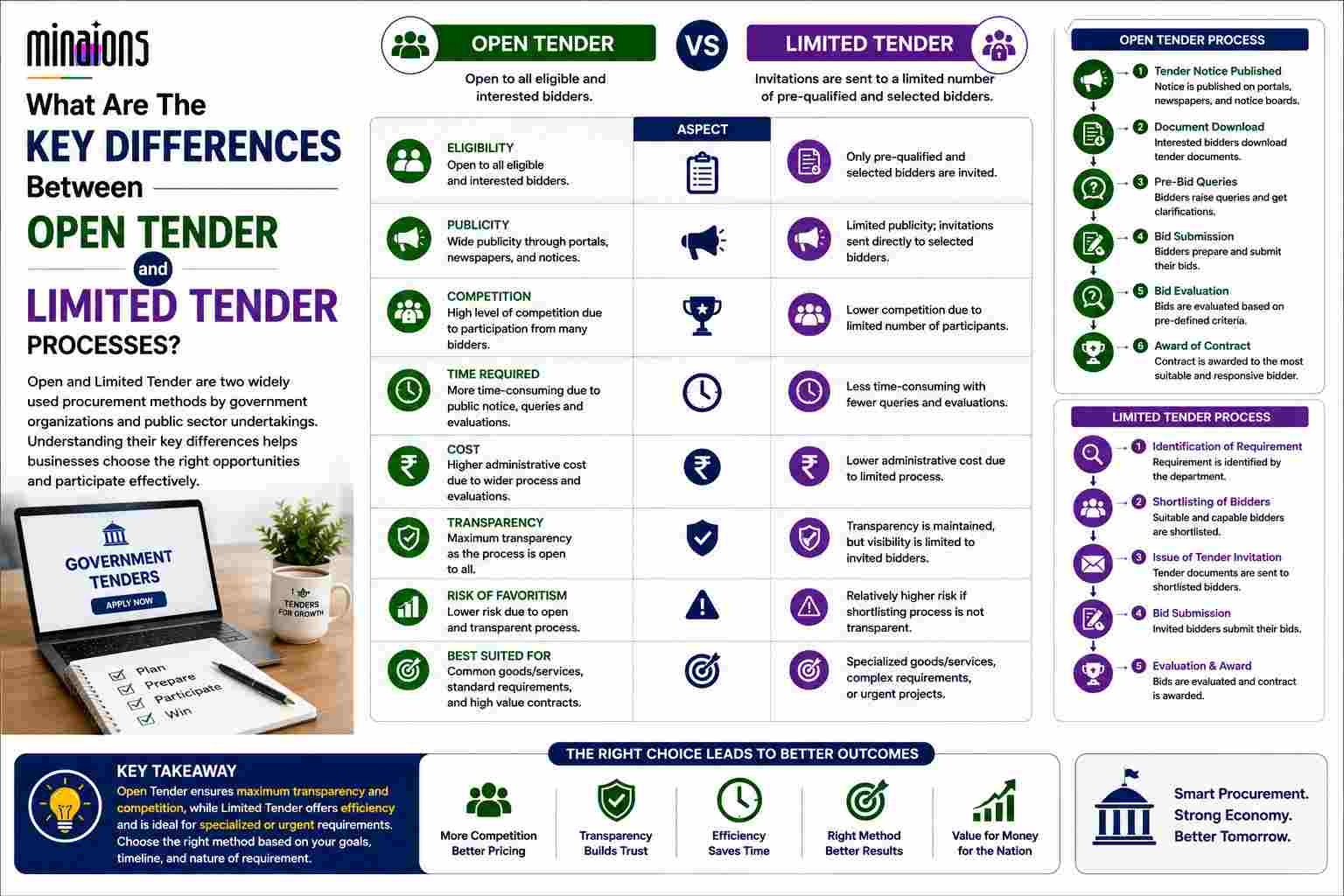
In an era where public trust in government spending is under heightened scrutiny, the choice between open and limited tender processes is no longer a procedural formality, it is a strategic imperative.

The public procurement landscape is no longer dominated by scale, it is shaped by strategy, speed, and intelligent technology.
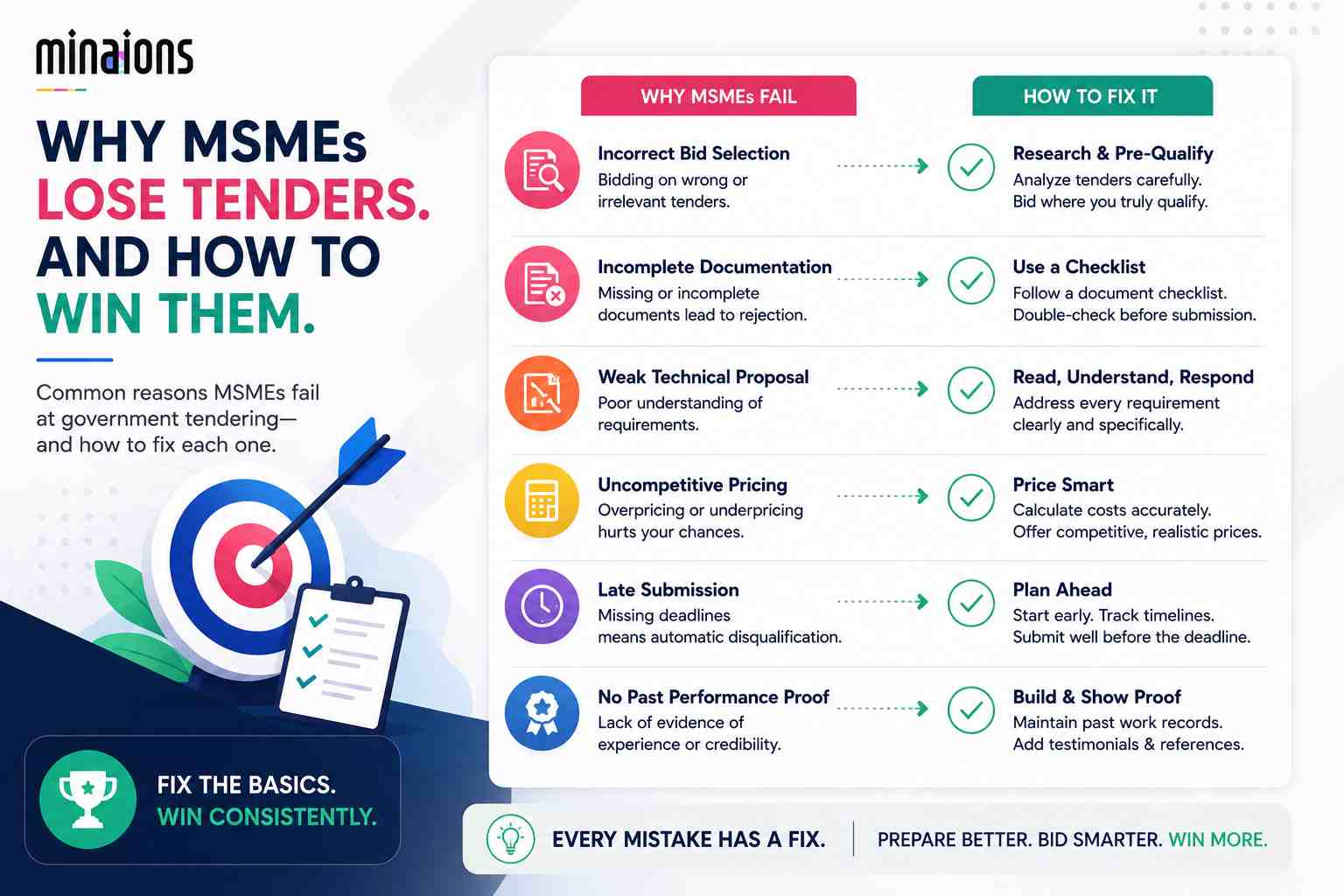
Public procurement has become a critical pathway for MSMEs to access stable, long-term revenue.
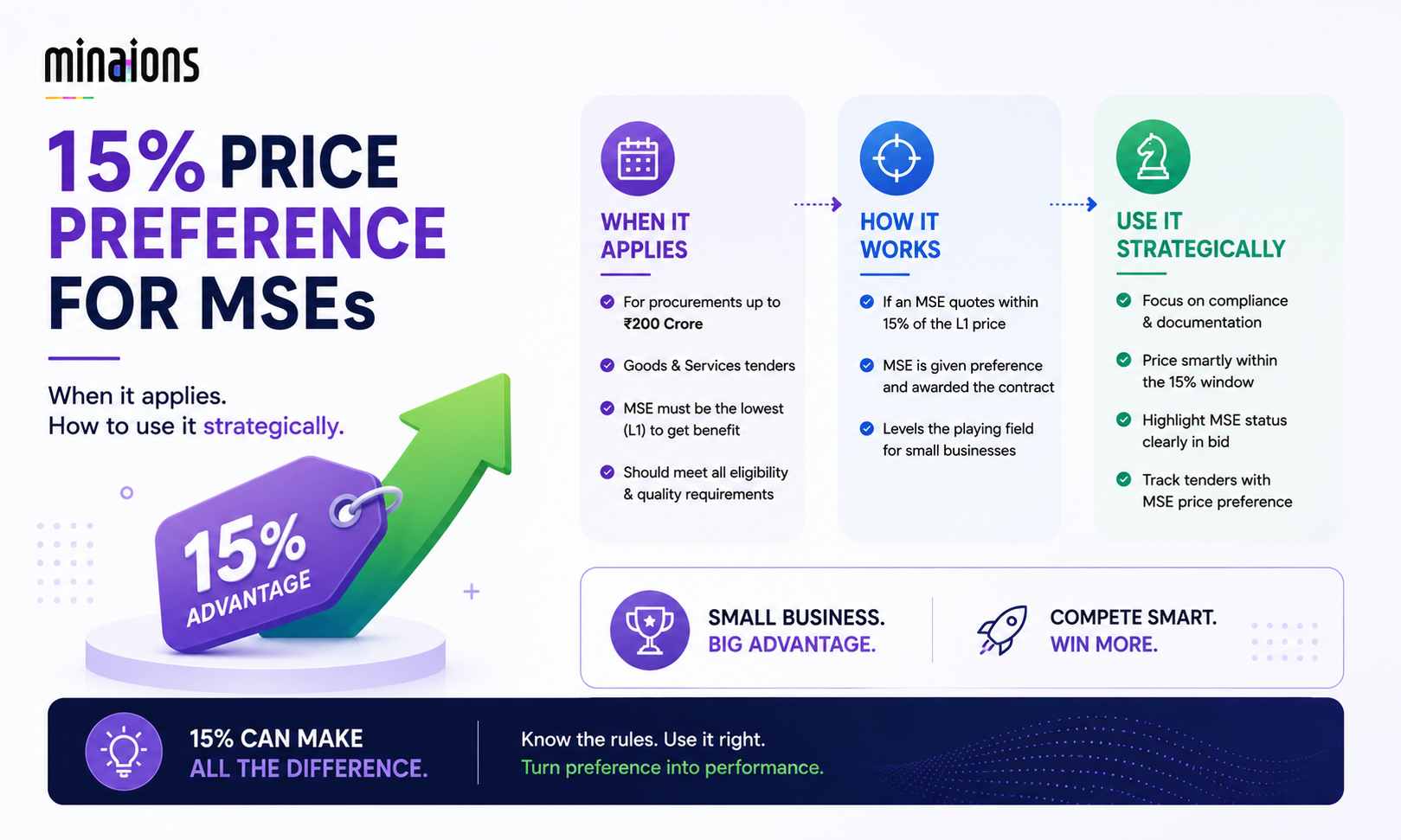
In an era where public procurement budgets are under intensified scrutiny, the 15% Price Preference for Micro and Small Enterprises (MSEs) has emerged as one of the most consequential levers for equitable market access.
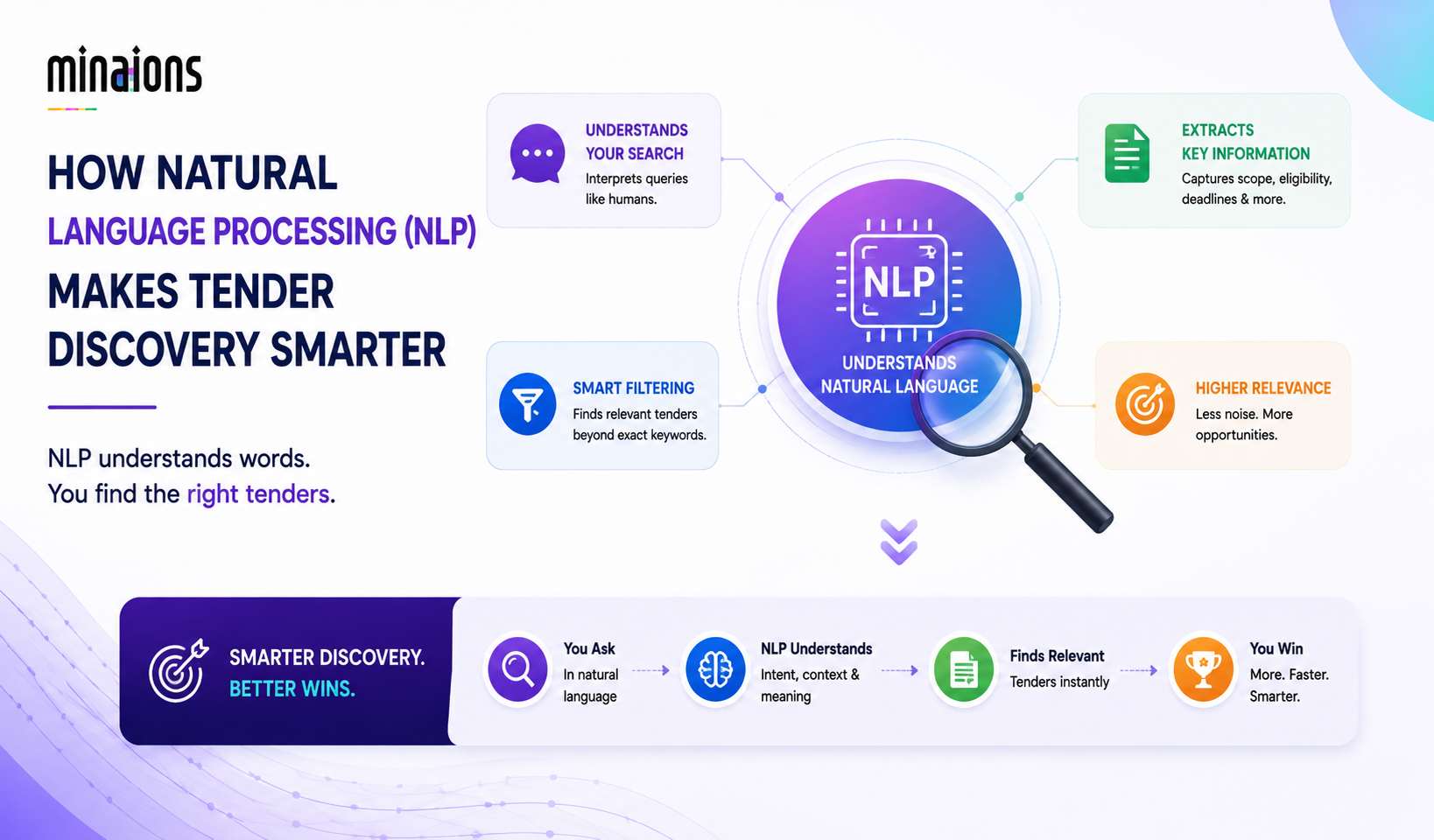
Across the public sector, billions in procurement value are lost each year due to inefficiencies in identifying relevant tenders at the right time.
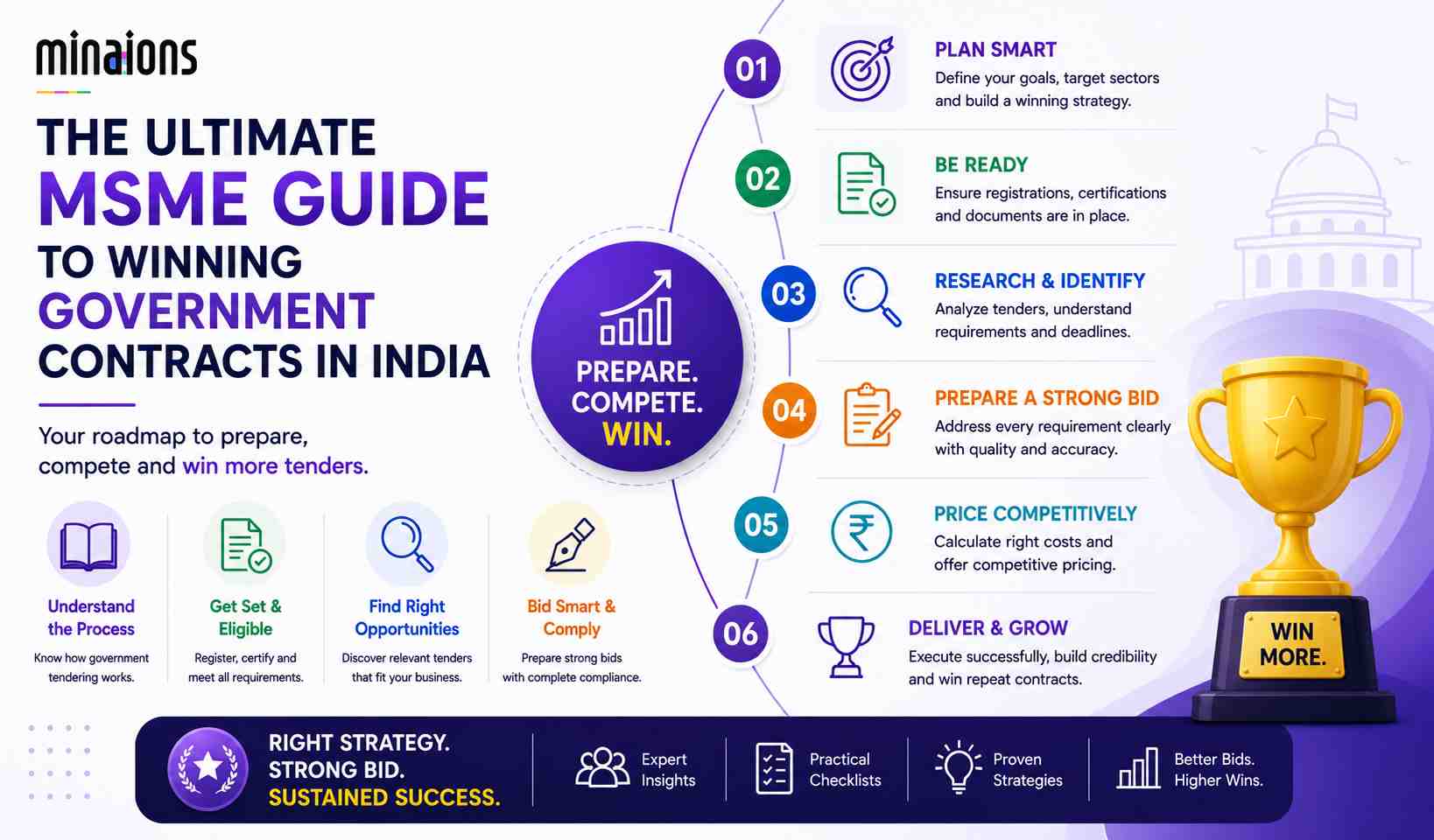
In an era where government spending exceeds £400 billion annually and compliance frameworks grow more intricate by the year, the margin for error in public procurement bid writing has vanished.