
OEMs lose revenue due to a lack of tender visibility data.
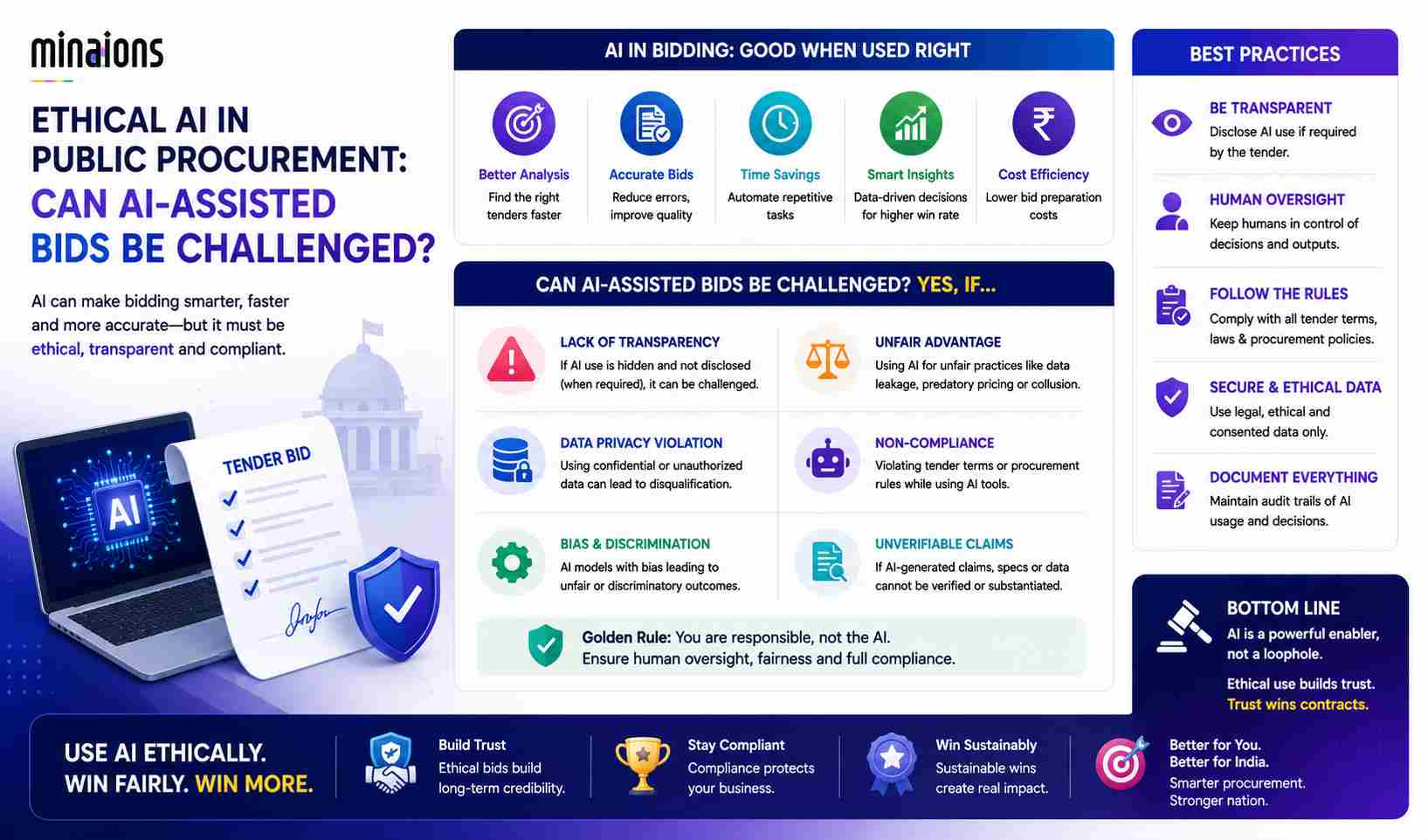
As public procurement systems increasingly rely on AI to evaluate bids, manage contracts, and detect anomalies, a quiet but profound crisis of trust is emerging.
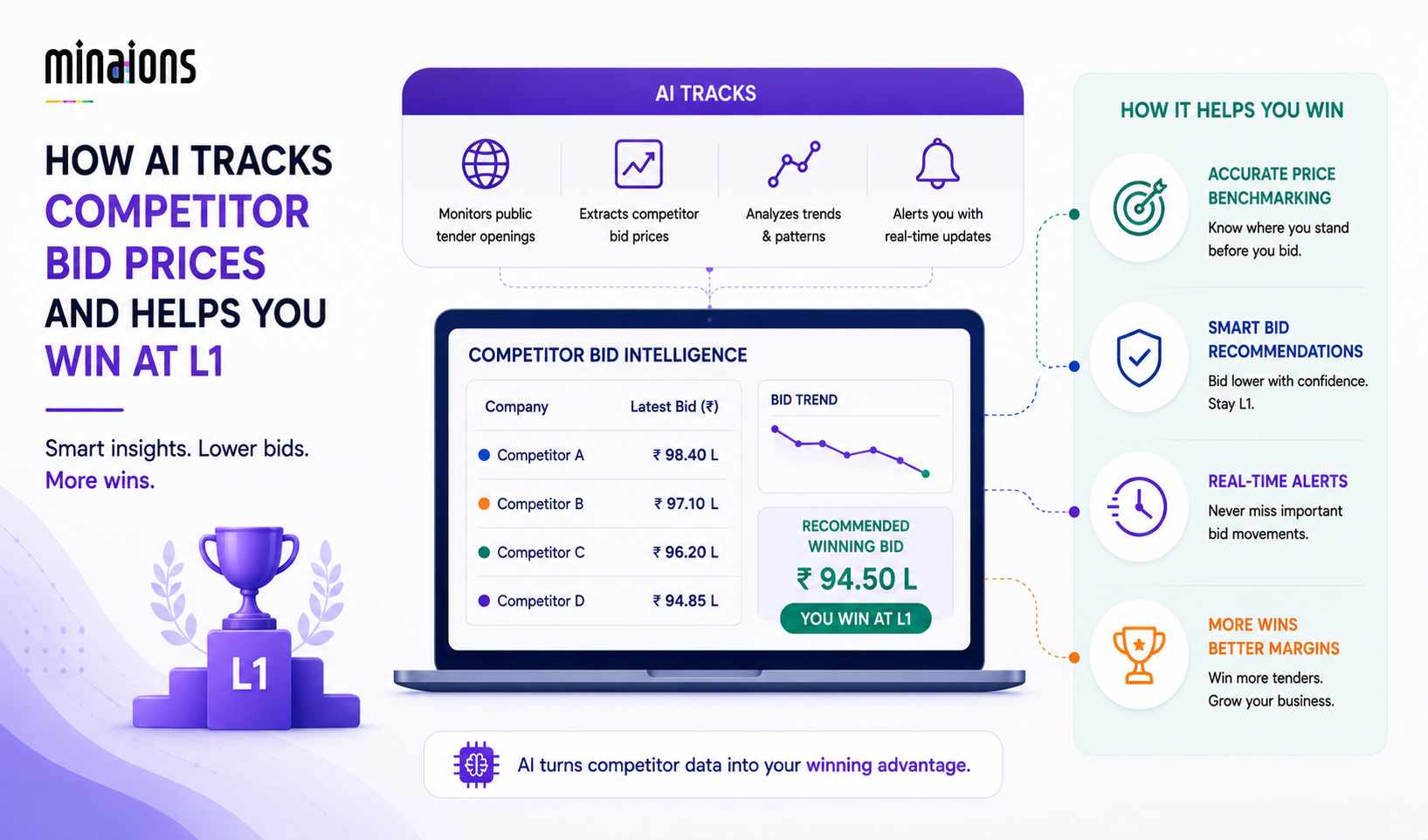
In public procurement, the difference between winning and losing a contract often hinges on a single decimal point.
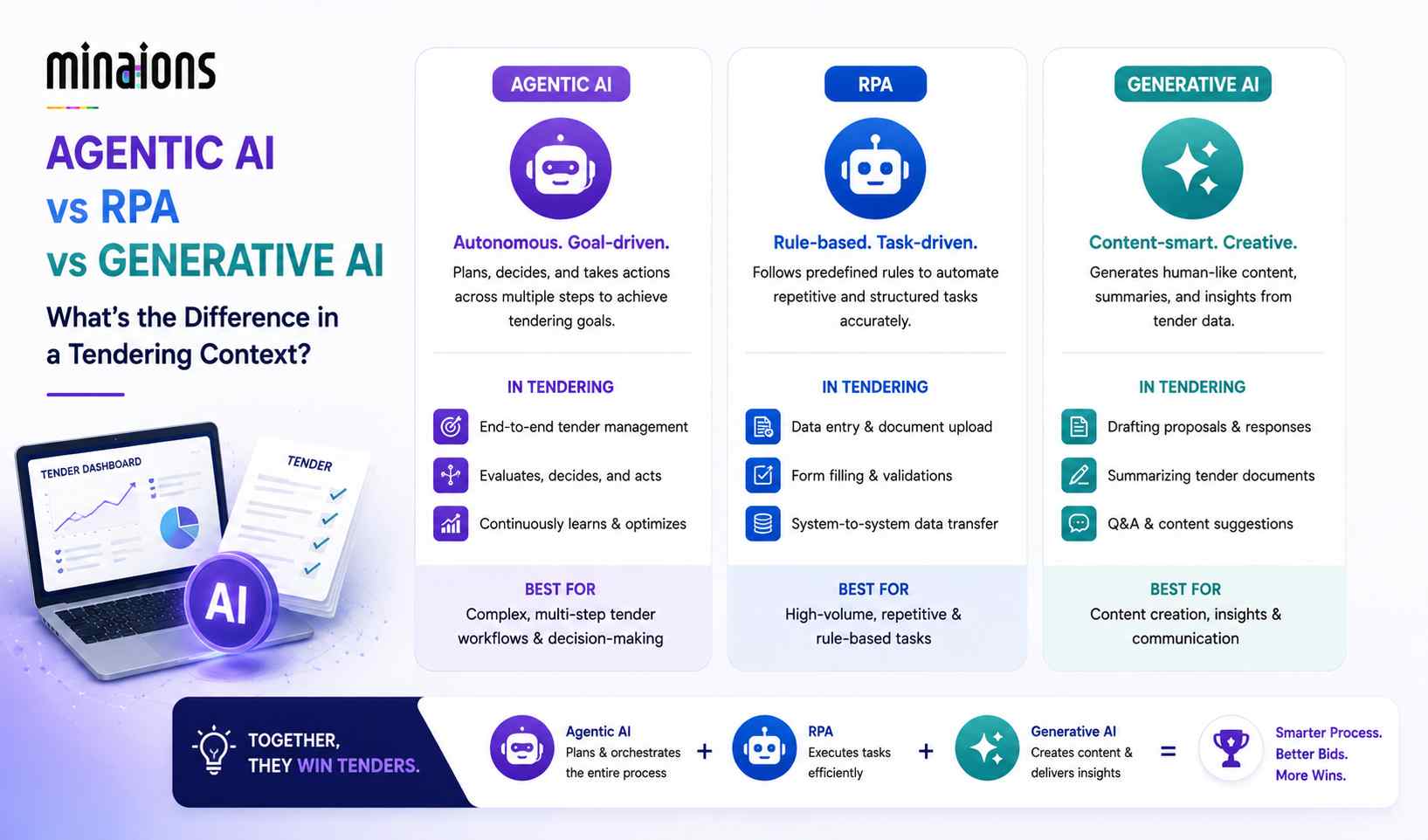
The public procurement landscape is undergoing a silent revolution.
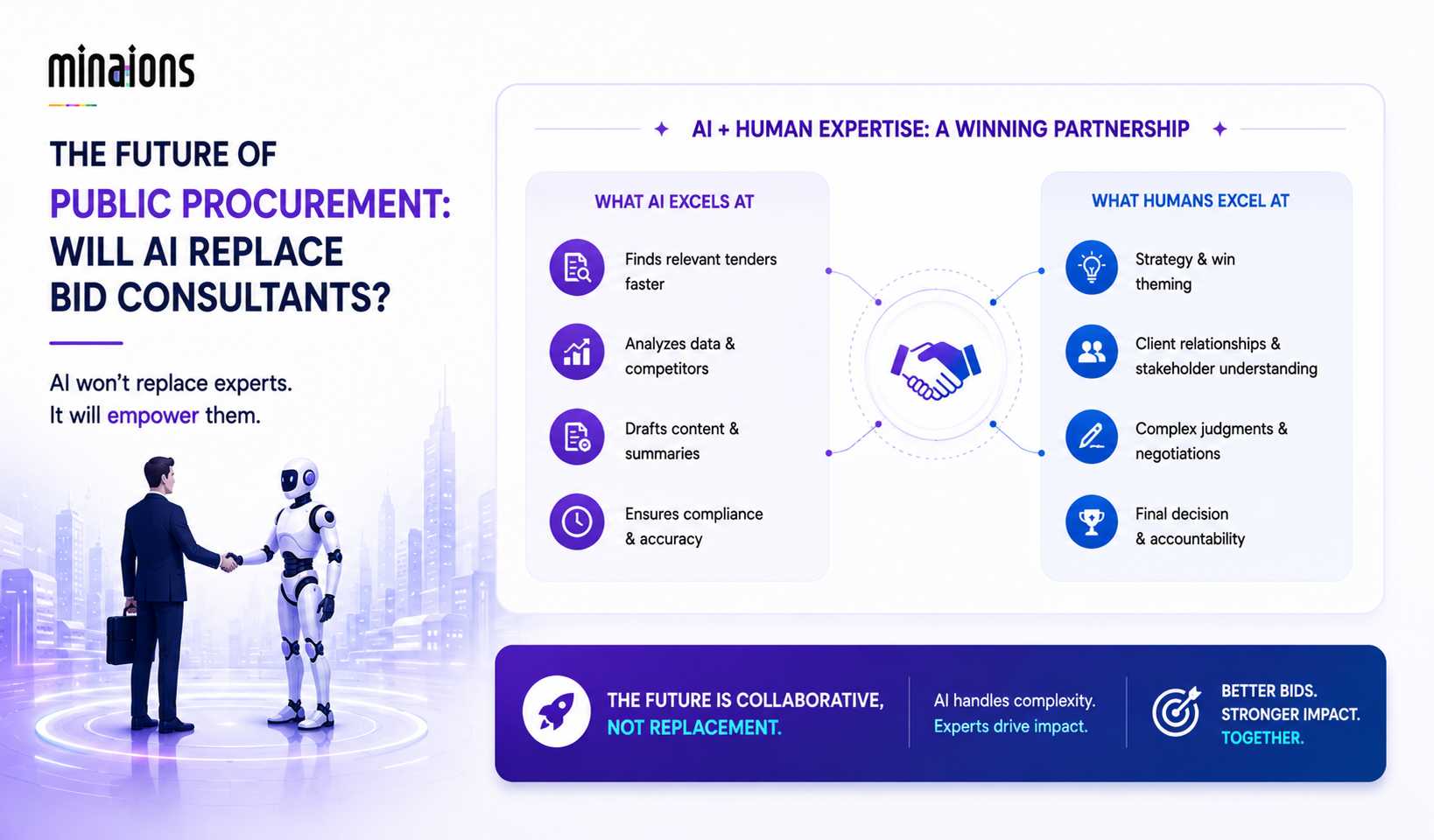
Public procurement is at a crossroads.
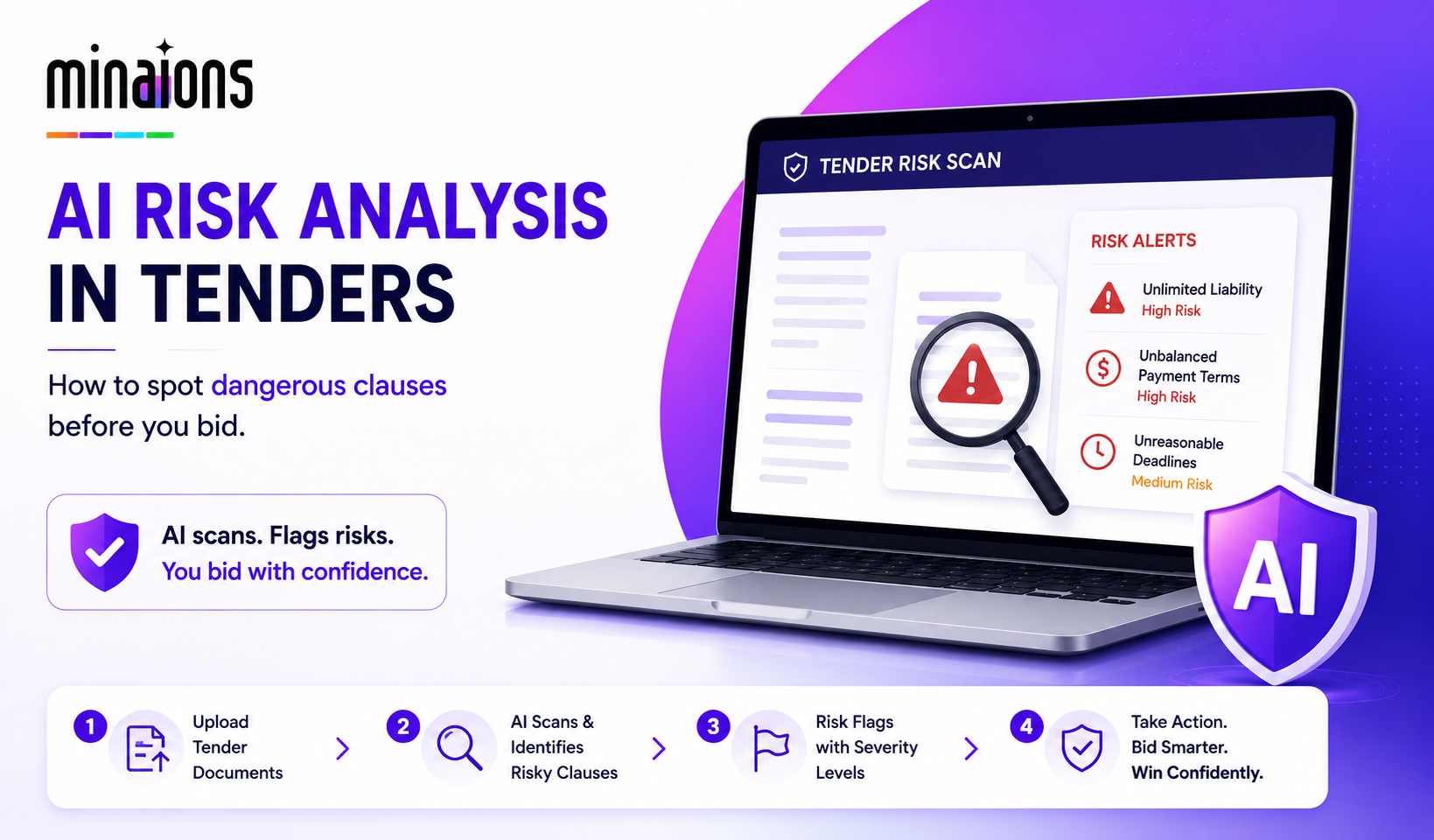
In an era where public procurement is increasingly shaped by artificial intelligence, government tenders now contain clauses that can expose bidders to unprecedented legal, financial, and reputational risk.
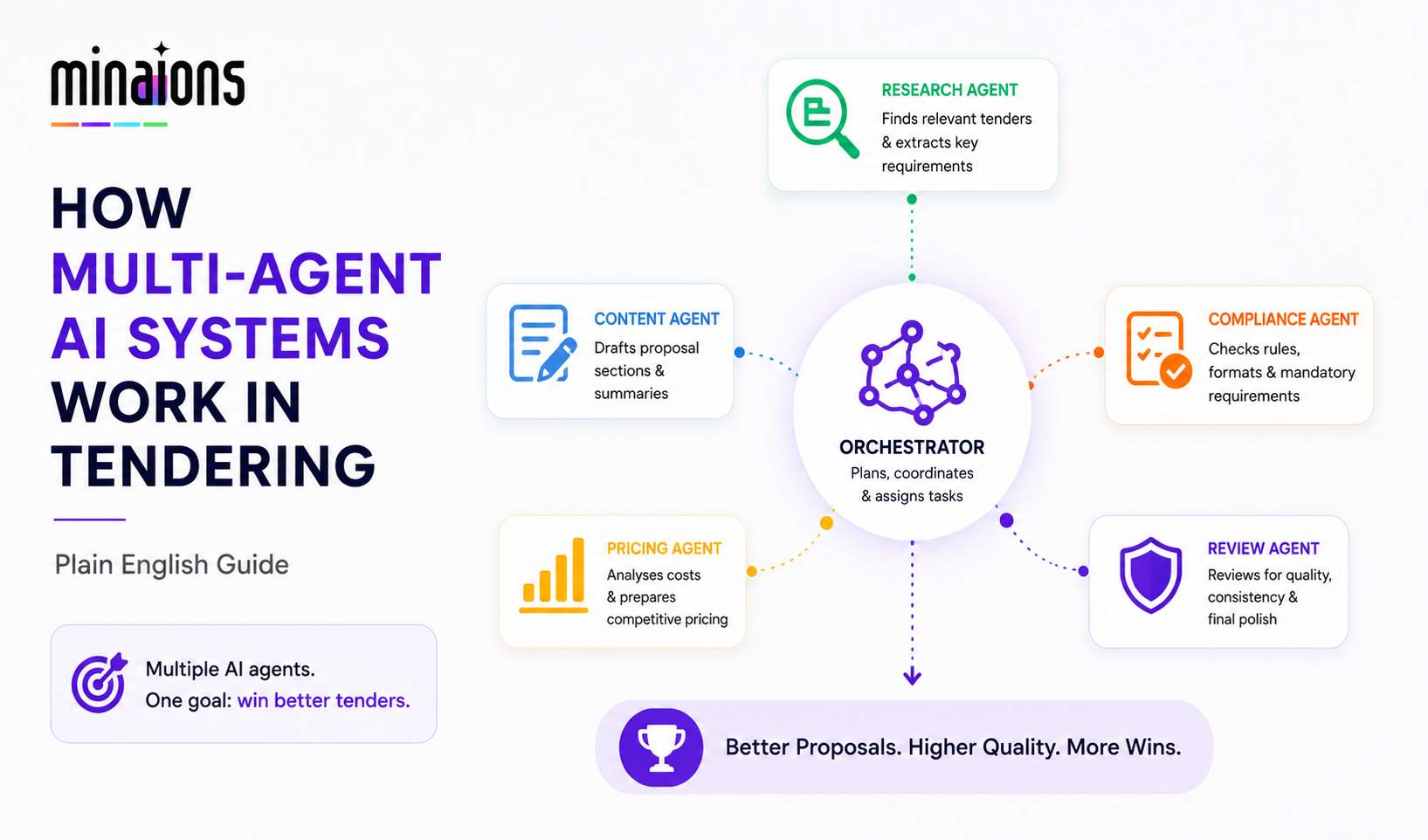
Public procurement is at a turning point. As government budgets face tighter scrutiny and regulatory frameworks grow more complex, the traditional manual approach to tendering is no longer sustainable.
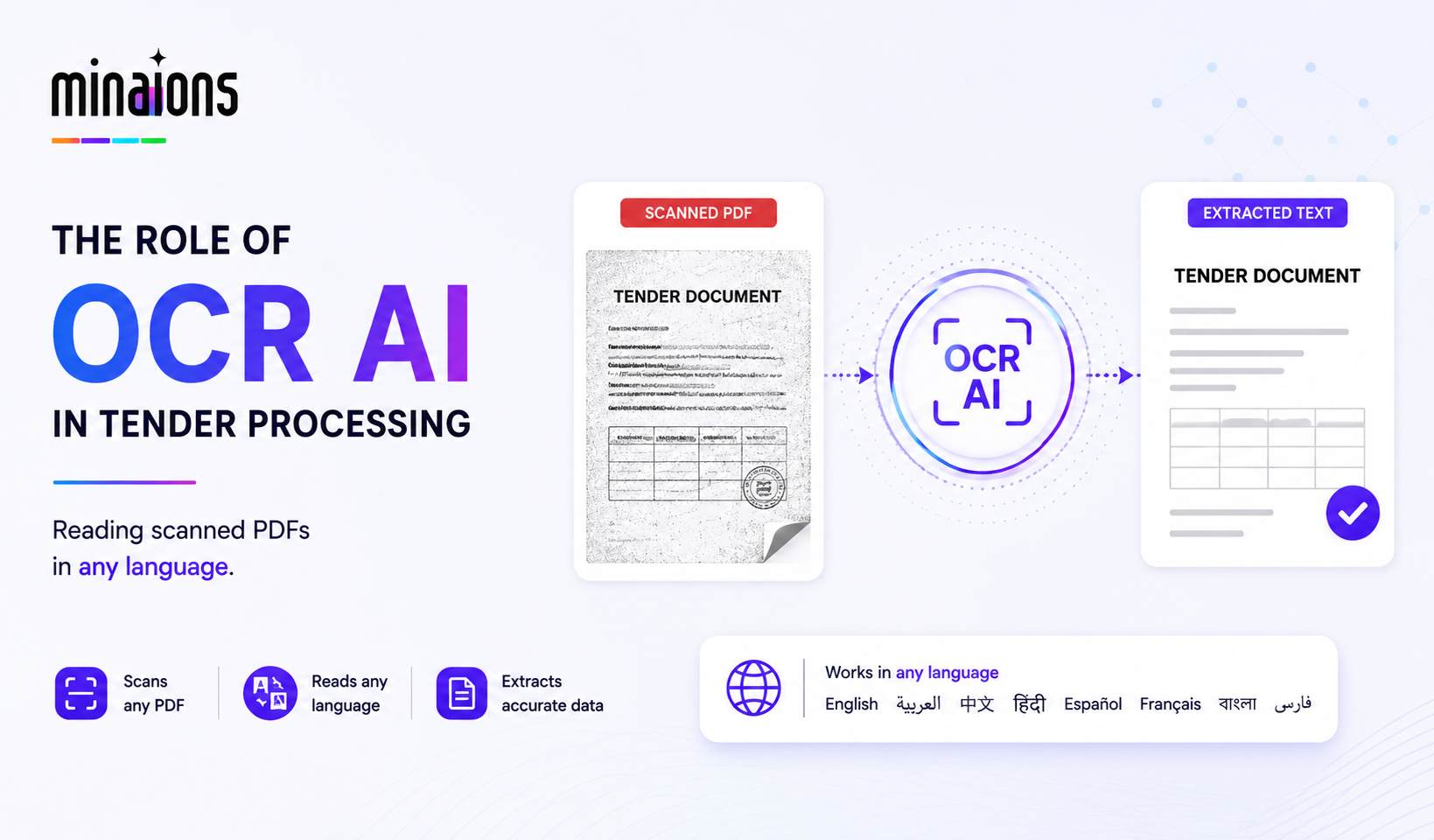
In public procurement, delays in tender evaluation disrupt service delivery cycles, stall infrastructure projects, and undermine public confidence.
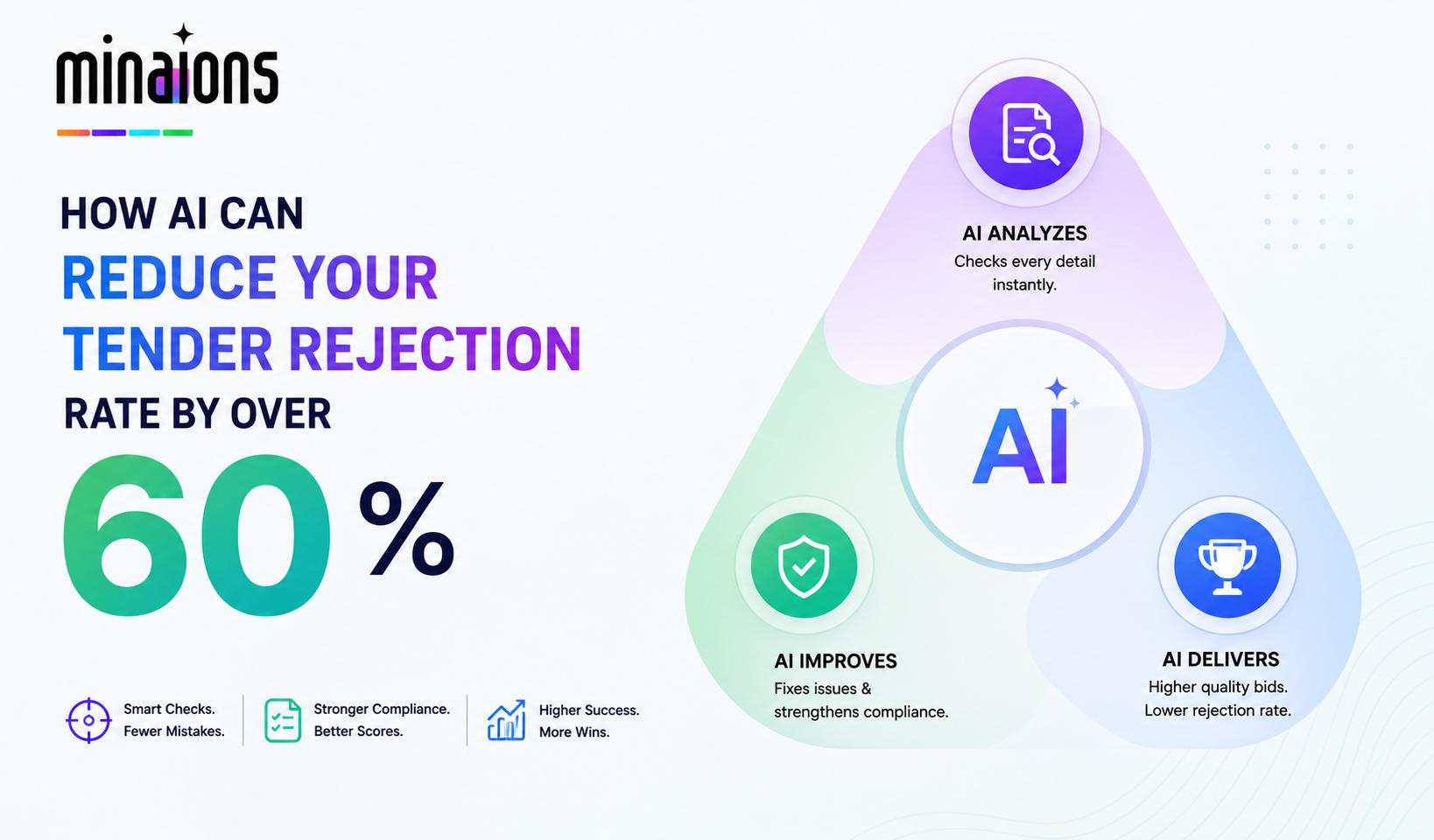
In public procurement, a single overlooked compliance clause can cost a business tens of thousands in lost revenue, and years of hard-won credibility.
Tender annexures are legally binding supplementary documents appended to the main tender specification, providing detailed requirements that bidders must satisfy to be considered eligible.
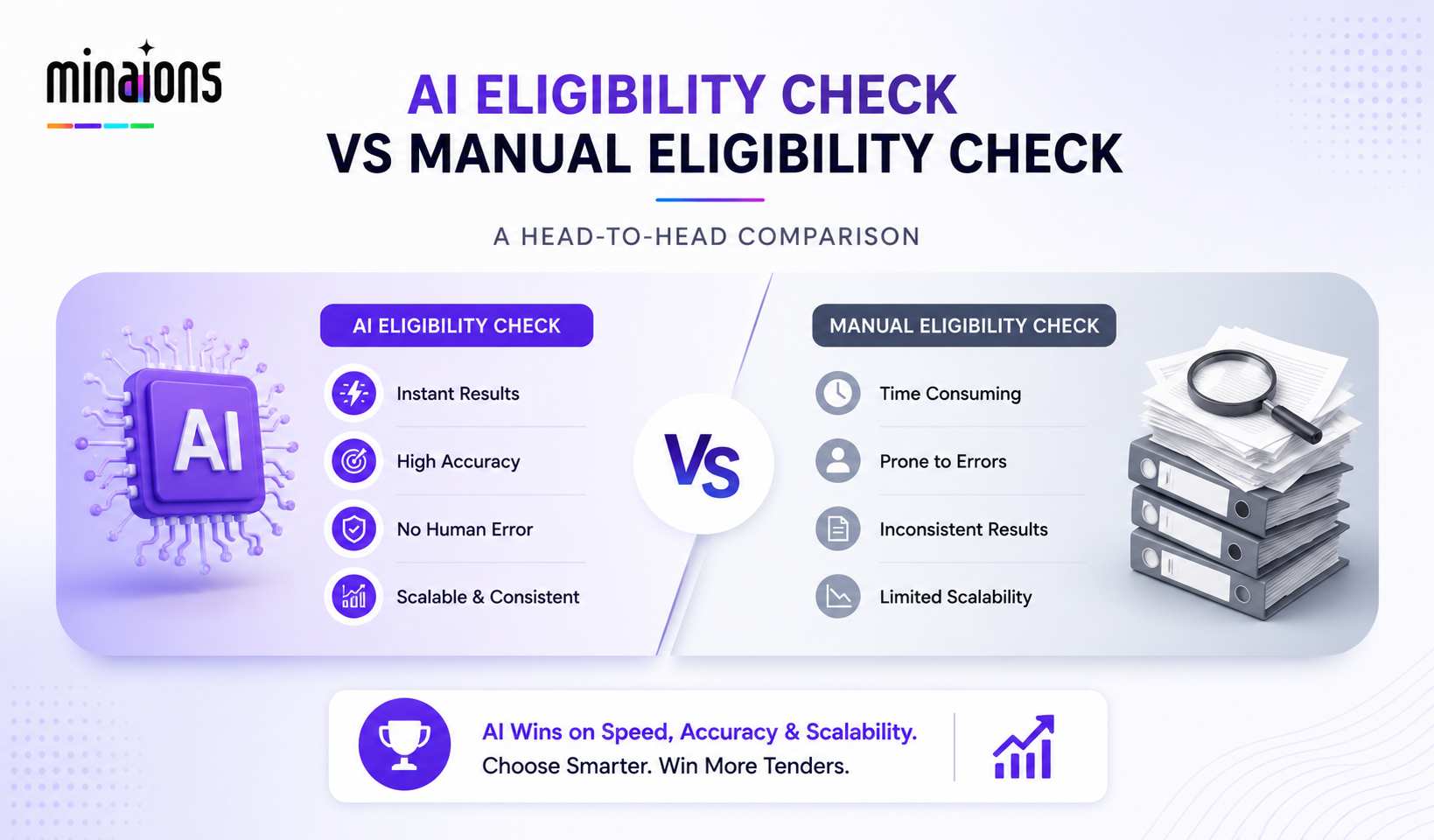
Public procurement teams face growing volumes of tender submissions, increasingly complex compliance requirements, and constrained resources.
In an era where public procurement is increasingly governed by digital precision and regulatory rigour, the sudden cancellation of a government tender can unravel months of strategic planning, deplete critical...